




Human Dignity and Migration Policy Remain Central to Church Ethics as Global Displacement Pressures Rise
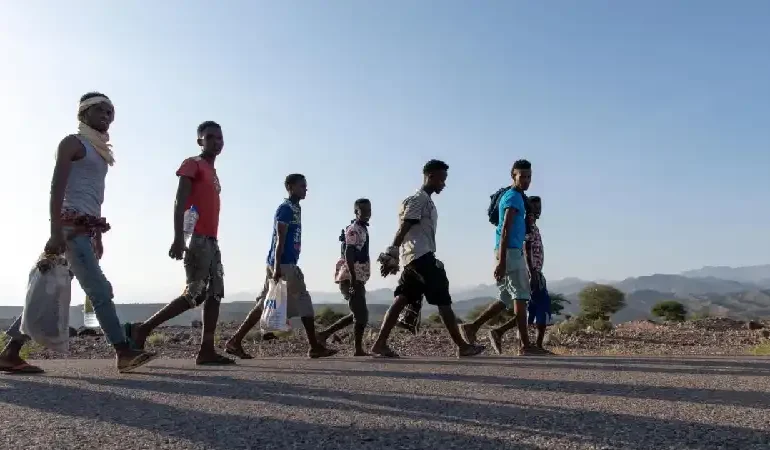

Global displacement continues to rise in 2026, placing migration policy at the center of ethical and political discussions. As conflicts, economic instability and environmental challenges drive population movement, the question of how societies respond has gained renewed urgency. Within this context, the Church continues to emphasize human dignity as the guiding principle for migration policy. The focus is not only on managing borders but also on ensuring that individuals are treated with respect and fairness. This perspective highlights the moral dimension of migration and calls for policies that balance national interests with humanitarian responsibility.
Migration as a Question of Human Dignity
Migration is increasingly understood as more than a logistical or political issue. It represents a fundamental question about how societies recognize and protect human dignity. Individuals who are forced to leave their homes often face uncertainty and vulnerability, requiring support and protection. Ethical frameworks emphasize that every person deserves to be treated with respect regardless of their circumstances. By framing migration in terms of dignity, the discussion shifts from control to responsibility. This approach encourages policymakers to consider the human impact of their decisions and to prioritize compassion alongside regulation.
Policy Challenges in a Complex Global Environment
Designing effective migration policies is a complex task that requires balancing multiple priorities. Governments must address security concerns, economic pressures and social integration while responding to humanitarian needs. These competing demands can make policy decisions difficult and sometimes contentious. Ethical considerations provide a framework for navigating these challenges by emphasizing fairness and accountability. Policies that reflect these principles are more likely to achieve sustainable outcomes. By integrating ethical reasoning into policy development, institutions can create systems that respond effectively to both national and global pressures.
The Role of International Cooperation
Migration is a global issue that requires coordinated responses across countries and regions. No single nation can address displacement challenges in isolation. International cooperation allows for the sharing of resources, information and strategies that support effective policy implementation. Collaborative approaches also help ensure that responsibilities are distributed more evenly among nations. By working together, countries can develop solutions that are both practical and humane. Cooperation strengthens the ability of the global community to respond to migration pressures in a consistent and ethical manner.
Social Integration and Long Term Stability
Successful migration policy extends beyond immediate response and includes long term integration strategies. Social stability depends on the ability of communities to adapt and include new members effectively. Access to education, employment and social services plays a key role in this process. Policies that support integration can reduce tension and promote cohesion within societies. Ethical approaches emphasize inclusion and respect, ensuring that migrants can contribute to their new environments. By focusing on integration, policymakers can create conditions that support both migrants and host communities.
Ethical Leadership in Migration Policy
Leadership plays a critical role in shaping how migration is addressed at both national and international levels. Ethical leadership requires a commitment to principles that prioritize human dignity and fairness. Decision makers must consider the long term impact of policies on individuals and communities. Transparent communication and responsible governance help build trust and support effective implementation. Leaders who adopt ethical approaches can guide societies toward more balanced and compassionate solutions. This perspective reinforces the importance of aligning policy decisions with moral responsibility.
Conclusion
The continued rise in global displacement highlights the importance of grounding migration policy in human dignity and ethical responsibility. By combining international cooperation, thoughtful integration strategies and principled leadership, societies can develop balanced approaches that address both practical challenges and humanitarian concerns.