




Church and Indigenous Leaders Launch Global Platform to Push Mining Divestment
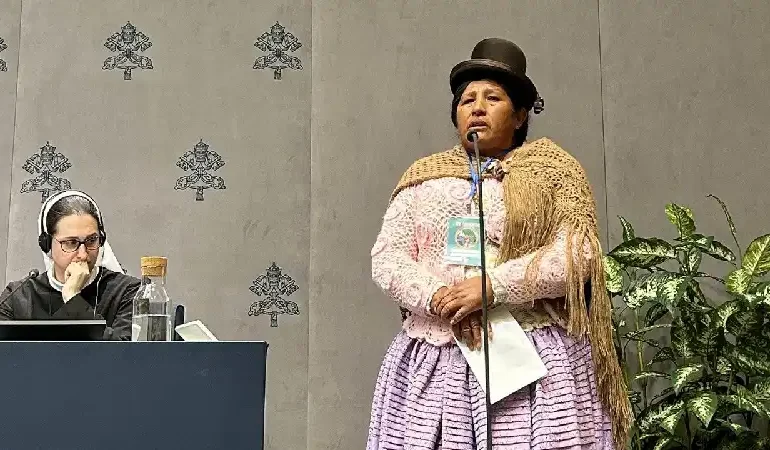

Church representatives and Indigenous leaders have introduced a global platform aimed at encouraging divestment from mining projects that impact vulnerable communities, particularly across Latin America. The initiative brings together faith based organisations, advocacy groups, and local activists seeking to address environmental damage and social inequality linked to extractive industries. Presented at the Vatican, the platform reflects growing concern within religious and civil networks about the human and ecological cost of large scale mining operations, while promoting accountability in financial systems that support such activities.
Indigenous representatives highlighted the direct consequences of mining on their lands, pointing to contamination, health risks, and long term environmental degradation. Testimonies described communities struggling with exposure to harmful substances and limited access to resources needed for recovery. Leaders called for independent investigations into the impact of heavy metals and greater transparency around companies and institutions financing extraction projects. They also emphasized the importance of education, pastoral support, and international visibility to strengthen their efforts and ensure their concerns are not ignored in global economic discussions.
Church officials underlined that the issue extends beyond environmental harm to include questions of justice, dignity, and moral responsibility. They noted that mining activities have often proceeded without meaningful consultation with local populations, raising ethical concerns about consent and fairness. The new platform is intended to serve as a concrete response, encouraging financial institutions and investors to reconsider their involvement in projects that may contribute to exploitation. Leaders described divestment as a step toward aligning economic decisions with faith principles that prioritize human dignity and the protection of the natural world.
Speakers also addressed broader structural challenges, including unequal distribution of benefits from mining operations and the growing geopolitical demand for critical minerals. Concerns were raised about the pressure placed on Indigenous territories, which are increasingly targeted due to their resource value. Some Church figures warned that economic incentives and financial pressures can leave communities vulnerable to exploitation, particularly when legal frameworks fail to ensure fair outcomes. The discussion reflected a wider debate about the role of global markets in shaping local realities and the need for more equitable systems.
The platform is designed as a collaborative space for research, information sharing, and coordinated action among organisations committed to responsible investment practices. It aims to track financial flows, support affected communities, and promote alternatives that respect both people and ecosystems. Advocates see divestment as not only an ethical stance but also a practical strategy to influence corporate behavior by reducing financial support for harmful activities. As awareness grows, the initiative signals an effort to reshape how economic power is used, linking faith driven advocacy with global financial accountability.