

Cardinal Văn Thuận’s Road of Hope marks 50 years as Vatican reflects on faith under persecution
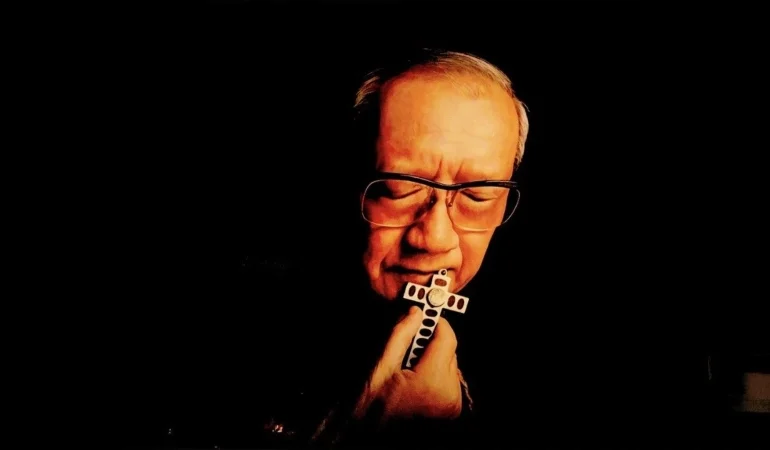

Fifty years after the publication of Road of Hope, a Vatican conference has revisited the enduring witness of Venerable Cardinal Francis Xavier Nguyễn Văn Thuận, whose life under imprisonment continues to resonate across the global Church. The Vietnamese cardinal spent 13 years in detention, including nine in solitary confinement, after being arrested without trial during a period of anti Catholic repression. His writings, originally passed in fragments among prisoners and families, have since become a spiritual reference point for believers facing hardship, offering a message that faith and hope can persist even in the most restrictive conditions.
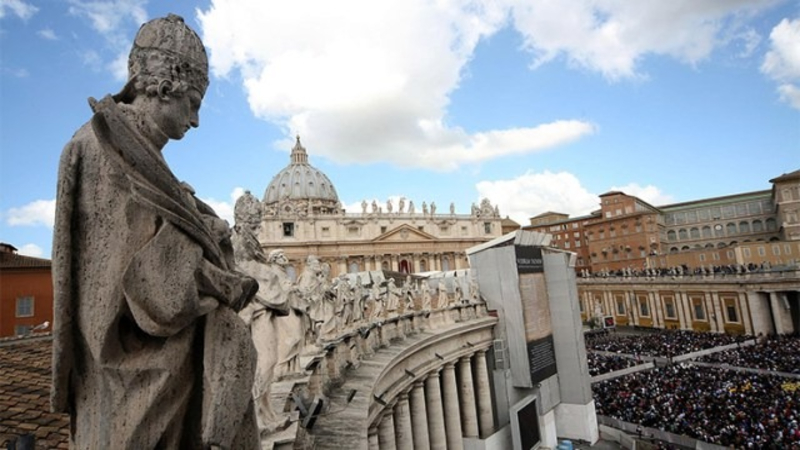
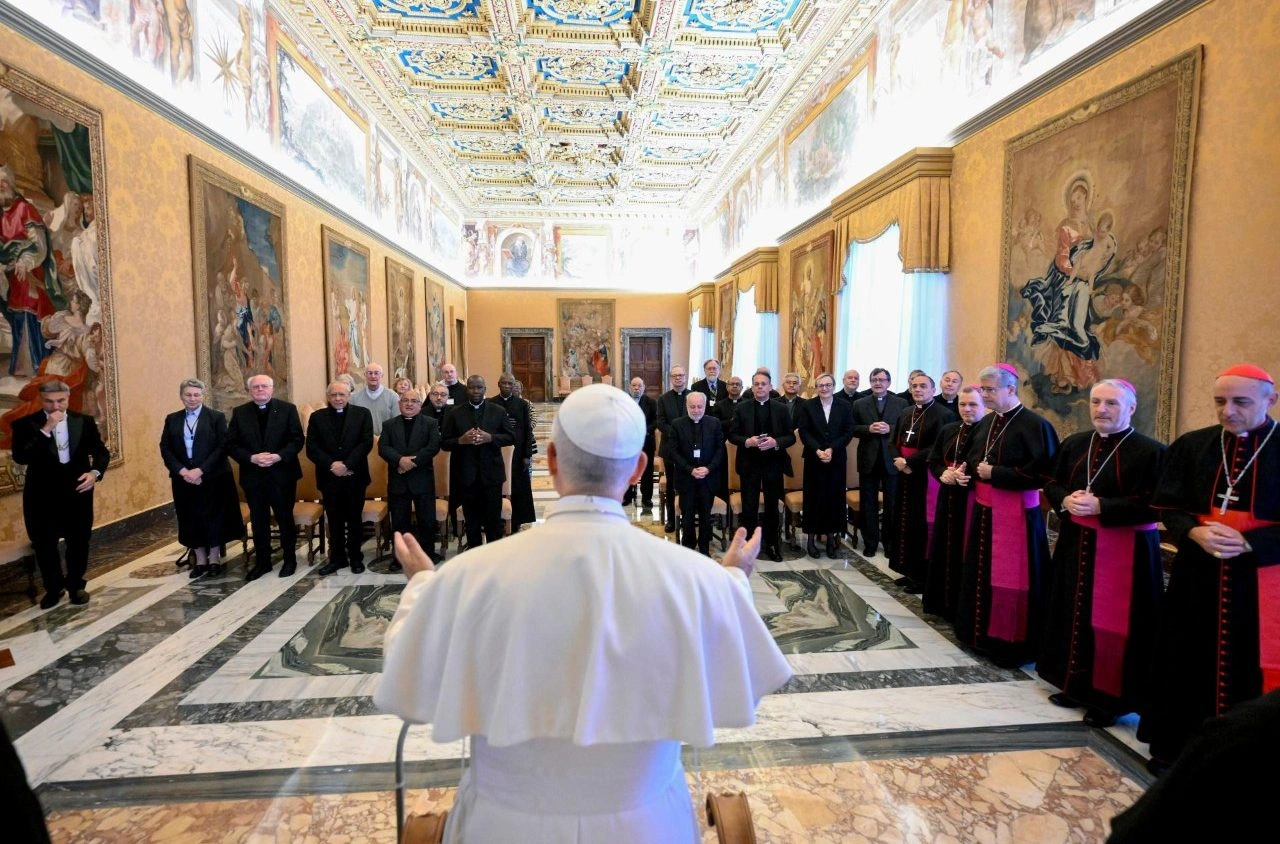
The commemorative event took place at the Lateran Palace, a location tied to the formal progression of his cause for beatification, drawing Church leaders and scholars to reflect on his legacy. A message sent on behalf of Pope Francis described Văn Thuận as a generous pastor whose example remains relevant in today’s world marked by uncertainty and division. The message emphasized that Christian hope is rooted in an encounter with Christ and is expressed through a life dedicated to both God and others, highlighting how his witness continues to inspire beyond national and historical boundaries.
Speakers at the gathering outlined how the cardinal’s mission extended far beyond his imprisonment. Cardinal Michael Czerny described him as a figure who embodied justice and peace through action as well as teaching. Even while detained, he maintained a pastoral attitude toward fellow prisoners and guards, treating them with dignity regardless of belief. After his release, he was unable to return to Vietnam and instead continued his work from Rome, supporting displaced Vietnamese communities worldwide and contributing to broader Church efforts to address social justice through faith driven frameworks.
Personal testimony from his family added depth to the narrative of resilience. His sister recalled a long history of persecution faced by Vietnamese Catholics, where generations held onto fragments of scripture and prayer under threat. She described how, during the years of imprisonment in the 1970s, Văn Thuận’s short meditations circulated secretly among prisoners and families, eventually forming the foundation of Road of Hope. These reflections carried a simple yet powerful message that the presence of Christ could be experienced even in isolation, offering spiritual strength to those living through political and social upheaval.
Church leaders also pointed to his role as a model of priestly life, noting how he chose to focus entirely on God after losing all external responsibilities. Cardinal Lazzaro You Heung-sik described him as a man of gentleness and inner freedom who continued to evangelize in every circumstance. Accounts from former prison guards, including one who later converted to Christianity, were cited as examples of how his witness transformed lives on a personal level. His influence extended into Church teaching through his contribution to the Compendium of the Social Doctrine of the Church, reinforcing a vision of faith that responds actively to injustice.
In the broader context of today’s global tensions, Church representatives stressed that his message continues to speak to communities rebuilding after conflict and division. His life and writings have been especially influential in Asia, where they are seen as a guide for reconciliation and coexistence in societies marked by historical wounds. His reflections on hope are increasingly referenced in discussions around faith, identity, and social recovery, particularly in regions navigating political transitions and cultural change.
The anniversary conference has renewed attention on his ongoing beatification cause while reaffirming the global relevance of his message. Church officials indicated that his life story continues to be studied not only as a testimony of personal faith but also as a framework for understanding resilience in times of crisis. His writings remain widely read across continents, circulating among clergy, scholars, and lay communities as a reminder that belief and moral conviction can endure even under prolonged pressure.