Pope Leo XIV says Church hierarchy is rooted in Christ’s mission to proclaim the Gospel
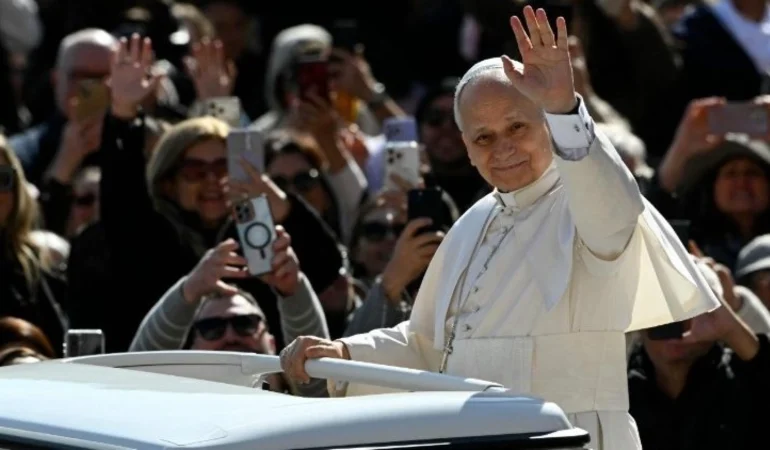

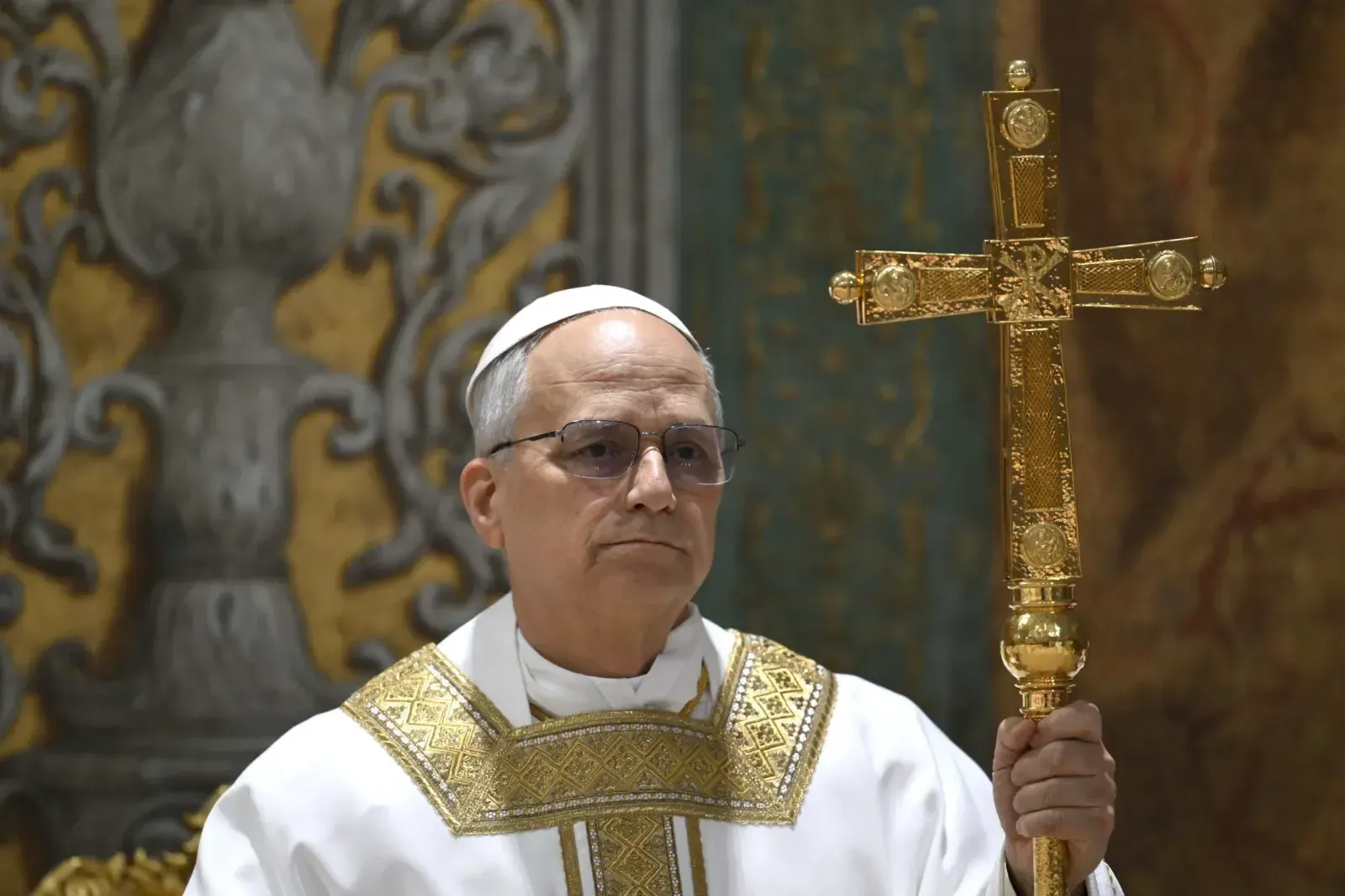
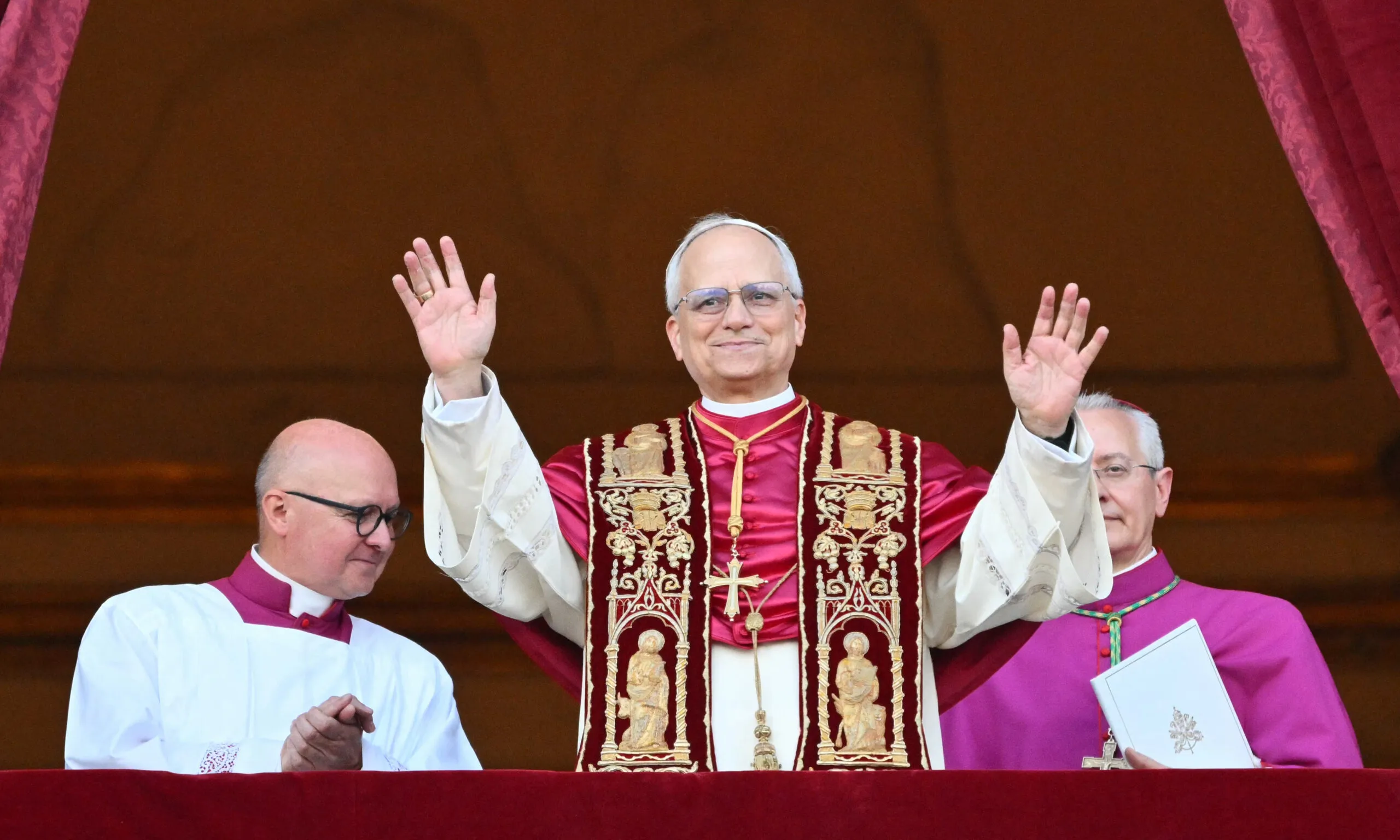
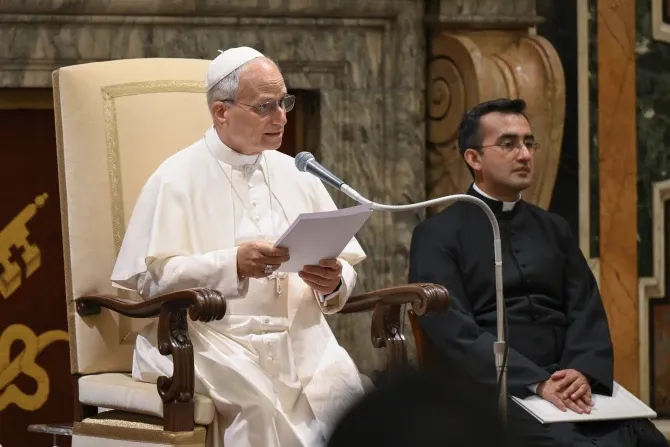
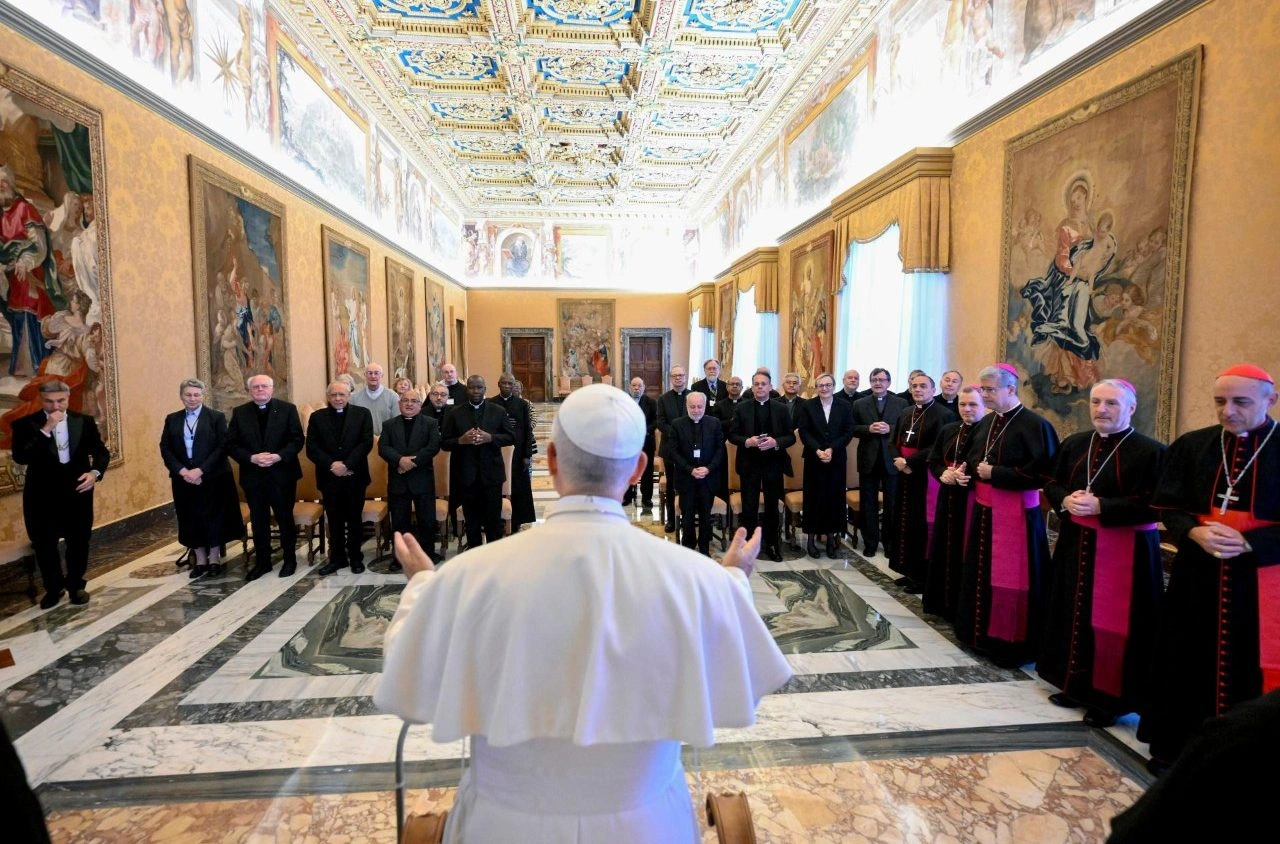
At his weekly General Audience, Pope Leo XIV offered a reflection on the nature of the Church’s hierarchy, emphasizing that it is not a human invention but a structure established by Christ to continue His mission in the world. Continuing his catechesis on the Second Vatican Council document Lumen gentium, the Pope explained that the Church must first be understood as the People of God before recognizing the essential role of its hierarchical form. He noted that this structure is not secondary or optional, but present from the very beginning of the Church’s life and mission.
The Pope recalled that the first disciples, the Apostles, were chosen by Christ and entrusted with the responsibility of carrying forward the message of salvation. Their mission did not end with their own lives, but was passed on through apostolic succession, ensuring continuity in teaching, guidance, and sanctification. He stressed that the Church’s hierarchy exists to serve unity and mission, enabling the faithful to remain connected to the original teaching of Christ. In this sense, the hierarchical structure is directly linked to the Church’s identity and purpose, not merely its organization.
Expanding on this teaching, the Pope clarified that the hierarchy is a divine institution, created to preserve and transmit the Gospel across generations. He explained that bishops, priests, and deacons each carry distinct responsibilities in serving the People of God, contributing to the Church’s mission in different but complementary ways. While all baptized believers share in the priesthood of Christ, the ministerial priesthood has a unique role that is defined both in its nature and function. This distinction, he said, reflects the Church’s commitment to maintaining both spiritual depth and structural clarity in its life.
The Pope also highlighted that the Second Vatican Council sought to present the Church’s structure not simply as an external system but as a reality grounded in faith and service. The concept of sacred authority, or sacra potestas, was described as a gift given for the benefit of the faithful, ensuring that the Church remains faithful to its mission. By exercising this authority with humility and dedication, Church leaders help guide the community toward salvation while preserving the integrity of the teachings entrusted to them.
Quoting Paul VI, the Pope noted that the Church’s hierarchy is born from the charity of Christ and exists to safeguard and transmit the richness of faith, teachings, and spiritual gifts. He emphasized that this structure is both an internal reality and a visible sign of the Church’s mission in the world, reflecting the ongoing presence of Christ through His ministers. In this way, the hierarchy serves not as a system of power, but as a means of service rooted in love and responsibility.
Concluding his reflection, the Pope prayed for the raising up of ministers who are guided by evangelical charity and willing to serve as courageous missionaries. He called on the faithful to recognize the deeper meaning of the Church’s structure, seeing it as a pathway for unity and growth rather than division. His message reaffirmed that the hierarchical nature of the Church remains essential for carrying forward the Gospel, ensuring that the mission entrusted by Christ continues to reach every part of the world.