Holy See urges immediate halt to Middle East violence as humanitarian crisis deepens
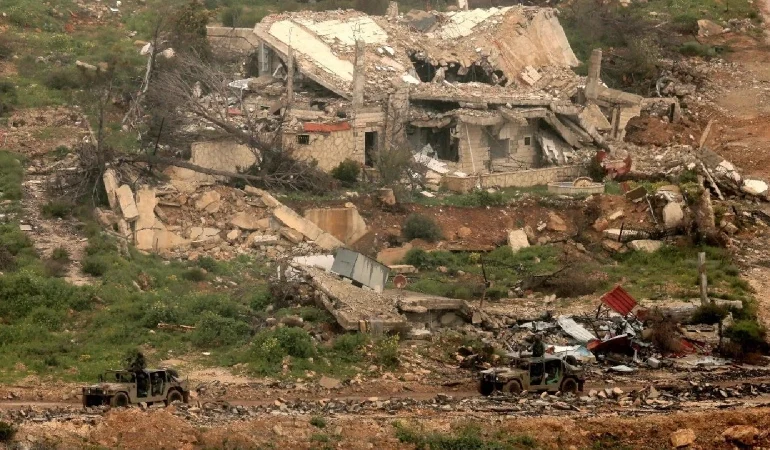

The Holy See has raised serious concern over the rapidly escalating violence across the Middle East, warning that the situation is causing severe human suffering and long term instability. Speaking at the United Nations in Geneva on March 26, Archbishop Ettore Balestrero described the unfolding crisis as tragic and deeply alarming. He highlighted the growing number of civilian casualties, including children, and the rising displacement of families across multiple regions. The Vatican’s message focused on the urgent need to protect human dignity as the conflict continues to expand in scope and intensity.
Addressing the Human Rights Council, the archbishop pointed to repeated attacks on civilian infrastructure, including hospitals, schools and residential areas. He stressed that such developments are not only violations of international norms but also contribute to long term humanitarian collapse. Concerns were also raised about the reported use of advanced technologies in warfare, which could further intensify destruction and civilian harm. The Holy See emphasized that continued escalation risks destabilizing entire regions while placing already vulnerable populations under extreme pressure.
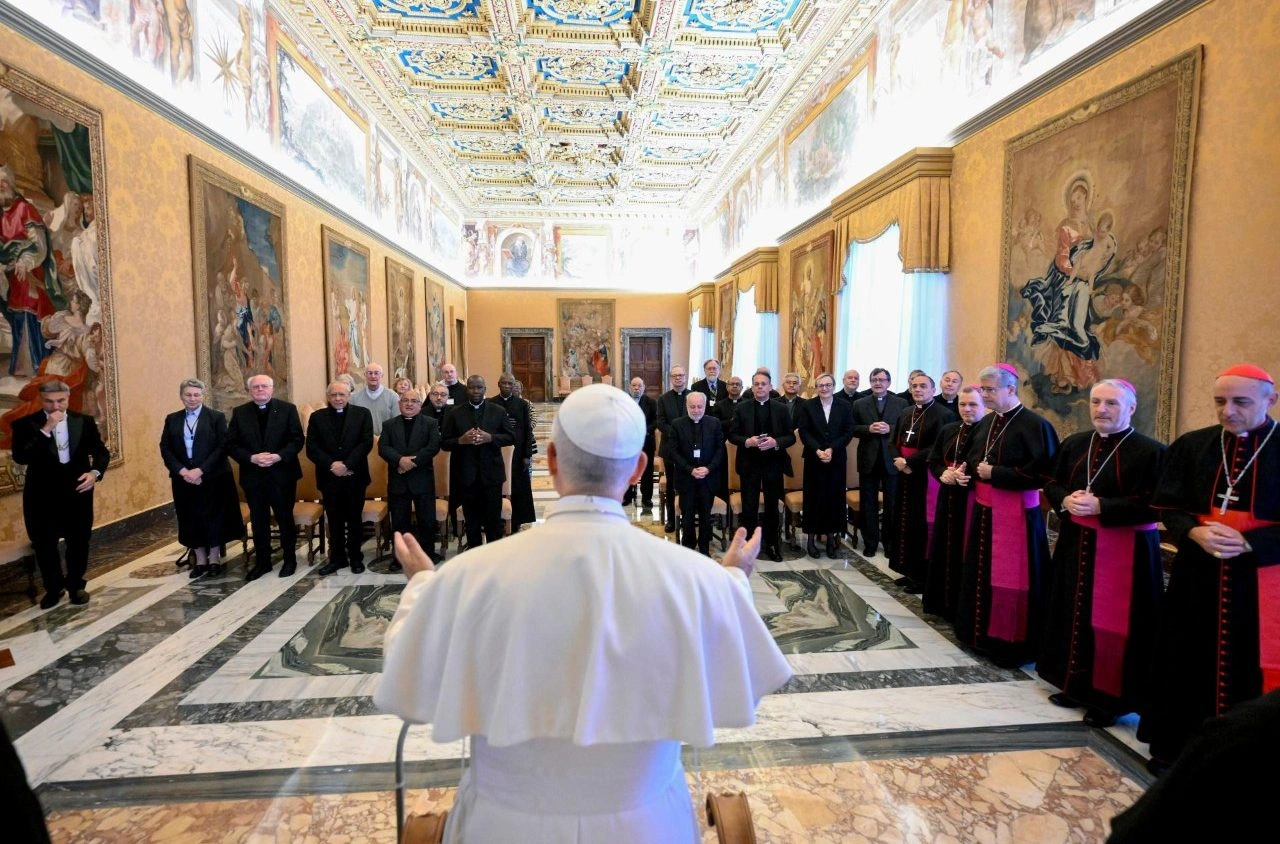
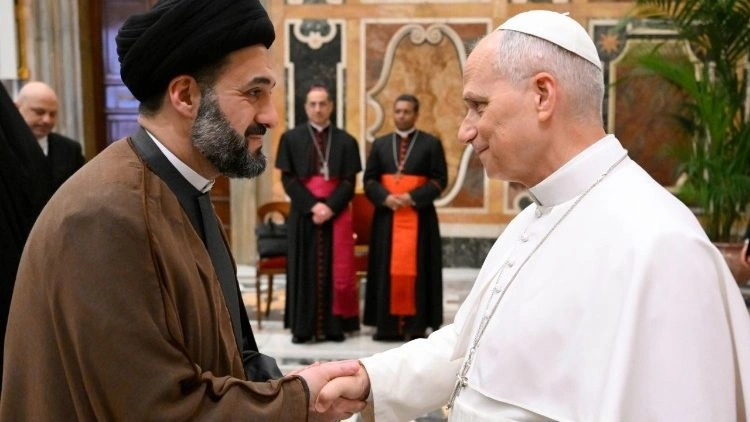
Quoting Pope Leo XIV, the Vatican’s representative underscored the moral responsibility of global leaders to act decisively. He reiterated that the suffering of innocent people cannot be ignored and that violence only deepens divisions rather than resolving them. According to the Pope’s message, peace cannot be achieved through retaliation or military force, but through sincere dialogue and respect for international law. The Holy See called on all parties involved to step back from confrontation and take immediate steps toward de escalation before the crisis becomes irreversible.
Earlier discussions at the UN also focused on the growing refugee crisis linked to ongoing conflicts in the Middle East and North Africa. The Holy See warned that humanitarian needs are rising sharply while resources remain insufficient. Archbishop Balestrero highlighted the imbalance between funding for military operations and the limited support available for displaced populations. He stressed that refugees should not be treated as statistics, but as individuals with lives, families and futures at stake. Special attention was given to children, many of whom are growing up without stable environments, access to education or basic security.
The Vatican further urged the international community to strengthen cooperation and increase support for countries hosting large refugee populations, many of which are already facing economic strain. It also emphasized the importance of addressing the root causes of displacement, noting that war and instability are the result of human decisions rather than inevitability. The Holy See called for an end to hostile rhetoric and renewed commitment to diplomacy, reinforcing its broader appeal for global peace efforts. The intervention also referenced ongoing humanitarian concerns in Europe, particularly the continued impact of the war in Ukraine, where calls for a ceasefire remain urgent.