

US nun Annella Zervas advances on path to sainthood as her legacy inspires modern faith
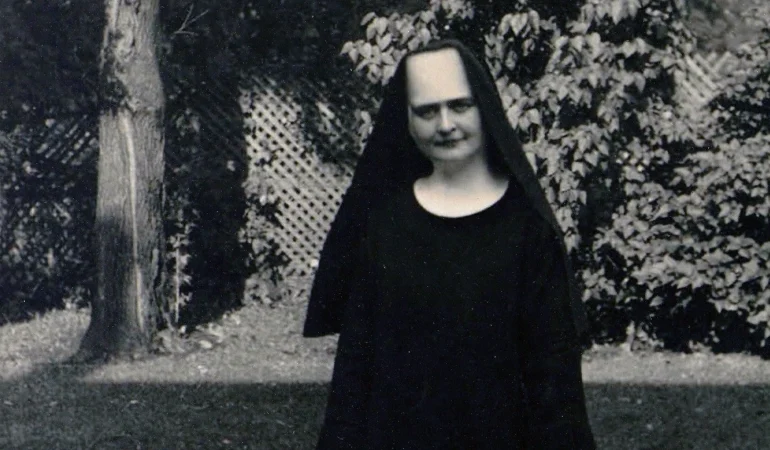

A young American nun, Annella Zervas, has drawn renewed attention as her cause for canonization progresses, nearly a century after her death. Born in Minnesota in 1900, she is now among more than 100 U.S. born Catholics whose lives are being formally examined by the Church. Her story has gained traction as Church leaders emphasize the need for relatable examples of holiness in contemporary society. Her life, marked by deep faith, humility and perseverance, continues to resonate with believers seeking spiritual meaning in ordinary life circumstances.
Zervas entered religious life at a young age, joining a Benedictine convent at just 15 and dedicating herself to prayer, service and devotion. Despite her short life, which ended at the age of 26, her reputation for holiness has endured. Known for her commitment to daily Mass and strong spiritual discipline from a young age, she quickly became recognized for her deep relationship with God. Her cause officially entered the diocesan phase in 2025, where Church authorities began examining her life, virtues and influence to determine whether she demonstrated what is known as heroic virtue.
A defining aspect of her life was her response to prolonged and intense suffering caused by a rare and painful illness. Rather than despair, she embraced what Church teaching refers to as redemptive suffering, maintaining a spirit of peace and even joy during extreme physical hardship. Church officials and those involved in her cause have highlighted this as a powerful example of faith in action. Bishop Andrew Cozzens described her life as a reminder that every person has a role in living the Gospel, particularly through enduring trials with trust and faith.
Her story has also been presented as especially relevant to younger generations, demonstrating that holiness is not limited to extraordinary figures but can emerge from everyday life lived with purpose. Those promoting her cause emphasize that her life reflects a balance of prayer, kindness and resilience, offering a model for navigating modern challenges. Advocates argue that figures like Zervas help bridge the gap between historical saints and contemporary believers, making the pursuit of holiness more accessible within familiar cultural contexts.
As the process continues, Church authorities are gathering testimonies and historical documentation to build a comprehensive understanding of her life. If the diocesan phase concludes positively, the case will be forwarded to the Vatican for further evaluation, where theological experts will assess her virtues before any declaration of venerable status. Alongside these efforts, initiatives such as pilgrimages and awareness campaigns are being organized to share her story more widely, reflecting a broader movement within the Church to highlight lives of faith rooted in everyday experience.