

Spain euthanasia case reignites ethical debate as legal battle ends in court approval

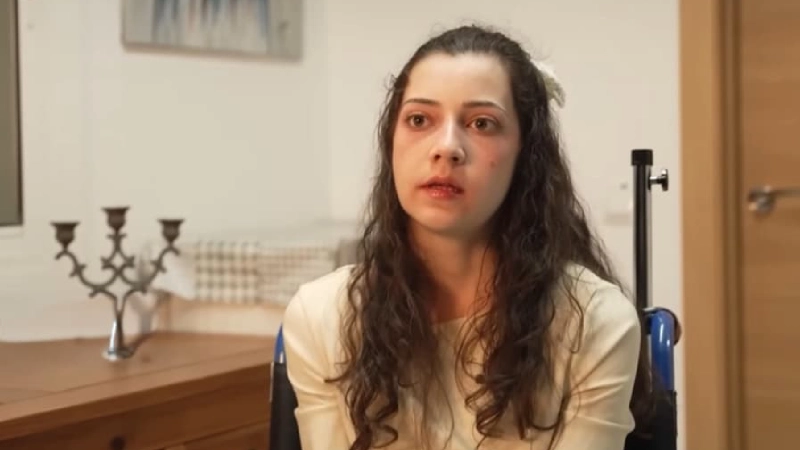
A deeply contested euthanasia case in Spain has drawn national and international attention after a young woman from Barcelona confirmed she would proceed with assisted death despite strong opposition from her family. The case involves Noelia Castillo, who has lived with paraplegia since 2022 following a traumatic incident and prolonged psychological distress. Her decision, scheduled for March 26, follows a series of legal challenges led by her father, who sought to prevent the procedure through multiple courts. The case has become a focal point in ongoing debates around autonomy, dignity and the limits of medical ethics in modern European societies.
Spanish courts ultimately ruled that Castillo met all legal requirements under the country’s euthanasia law, affirming that she had the mental capacity to make the decision independently. Her father argued that her history of mental health conditions, including long term suicidal ideation, impaired her judgment and required further psychiatric intervention. However, judicial authorities concluded that she was not legally incapacitated and therefore retained the right to choose. Appeals to higher courts, including Spain’s Constitutional Court and the European Court of Human Rights, failed to halt the process, reinforcing the legal framework that prioritizes individual autonomy.
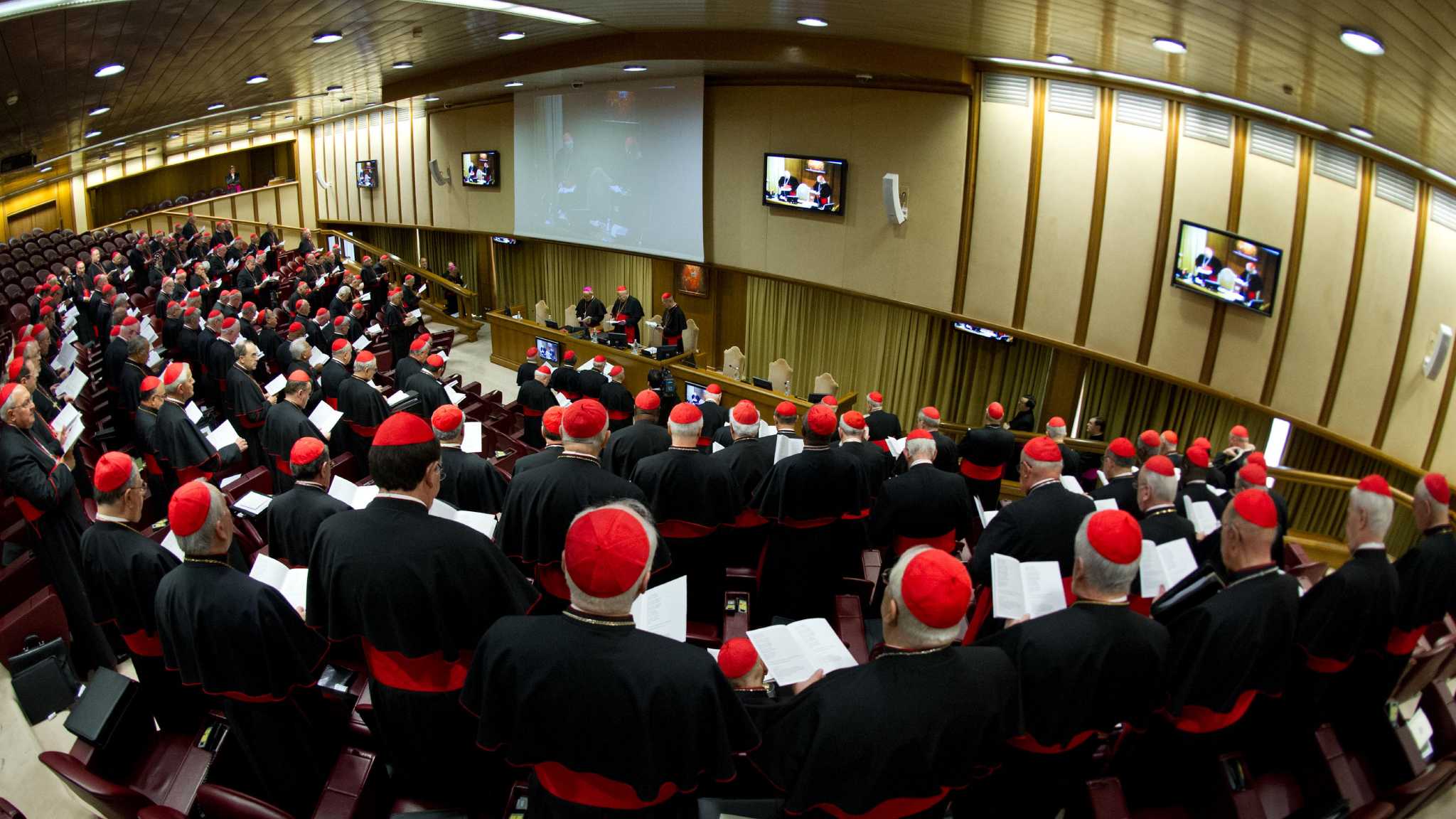
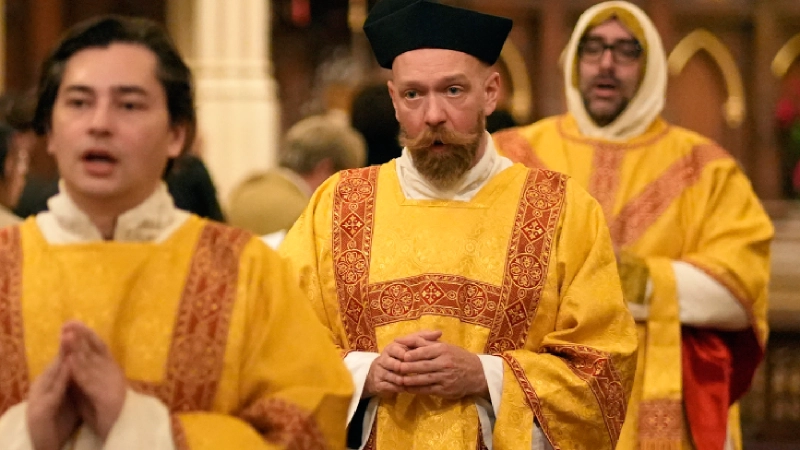
The case has also intensified moral and religious responses, particularly from Catholic leaders in Spain. Church representatives have expressed concern that euthanasia is increasingly presented as a solution to suffering rather than a last resort within a broader system of care. Public statements from bishops emphasized the importance of compassion, accompaniment and the protection of life, arguing that medical professionals should not be placed in roles that directly end human life. These perspectives reflect longstanding Church teachings that uphold the dignity of life while calling for stronger support systems for those experiencing physical and psychological suffering.
At the same time, the case has exposed emotional tensions within families facing such decisions. Castillo publicly acknowledged her parents’ opposition but maintained that her choice was rooted in a desire to end what she described as ongoing suffering. Her mother, while disagreeing, expressed a willingness to remain by her side. The situation highlights the deeply personal and complex nature of euthanasia cases, where legal rights, ethical principles and family bonds often intersect in difficult and painful ways.
Spain legalized euthanasia in 2021, allowing adults with serious and incurable conditions to request medical assistance in ending their lives under strict criteria, including informed consent and repeated written requests. Supporters argue that the law provides a compassionate option for those in extreme suffering, while critics warn of potential ethical risks and societal implications. As cases like Castillo’s continue to emerge, the broader conversation around end of life care, mental health and human dignity remains at the center of public and institutional debate across Europe.