

Lebanese Christians fear displacement as Israel signals expanded military strategy in south
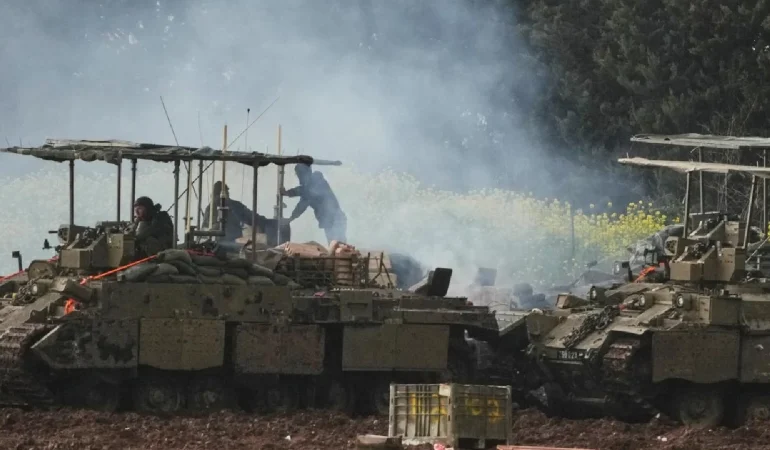

Lebanese Christian communities are expressing growing fear and uncertainty as escalating conflict between Israel and Hezbollah raises the possibility of a prolonged military presence in southern Lebanon. The situation has intensified following statements by Israel Katz indicating plans to establish a security zone extending to the Litani River. Residents worry that such a move could lead to mass displacement, destruction of homes and long term loss of land, particularly in border villages where Christian populations have historically maintained a fragile presence amid regional instability.
Israeli officials argue that expanded operations are necessary to protect northern communities from ongoing rocket attacks, but the strategy has raised alarm across Lebanon. The proposed approach mirrors tactics used in Gaza, including the clearing of populated areas and restrictions on civilian return until security conditions are met. Reports of intensified airstrikes and ground activity have already led to widespread displacement, with more than a million people forced to leave their homes. For many Lebanese Christians, the developments revive memories of earlier conflicts and occupations that reshaped the region’s demographic and social landscape.
The current escalation follows a breakdown in ceasefire conditions that had previously limited hostilities. Renewed fighting has extended beyond border areas, with infrastructure damage and civilian casualties reported across multiple regions. Lebanese authorities have accused Israel of attempting to isolate the south from the rest of the country, while United Nations peacekeeping forces have reported increased risks to personnel amid ongoing clashes. The destruction of key bridges and restricted movement have further complicated humanitarian access and deepened concerns about long term instability.
Analysts suggest that Israel has already begun establishing varying levels of control in southern areas, including zones with limited or no civilian movement. These developments are creating uncertainty for displaced families, many of whom remain unsure if they will be able to return home. Local residents describe a growing sense of displacement and loss, with some communities fearing permanent changes to their living conditions. The impact is particularly acute in smaller villages where social and religious life is closely tied to land and community structures.
Amid the uncertainty, Lebanese officials have signaled openness to dialogue, though diplomatic progress remains limited as broader regional tensions continue to dominate international focus. For civilians, including many Christian families, the immediate concern remains safety and the possibility of returning to their homes. As the situation evolves, fears of a prolonged conflict and deeper territorial changes continue to shape the outlook for communities already affected by years of instability and repeated cycles of violence.