
Pope Leo XIV’s April Meeting with Canterbury

Introduction to the Meeting
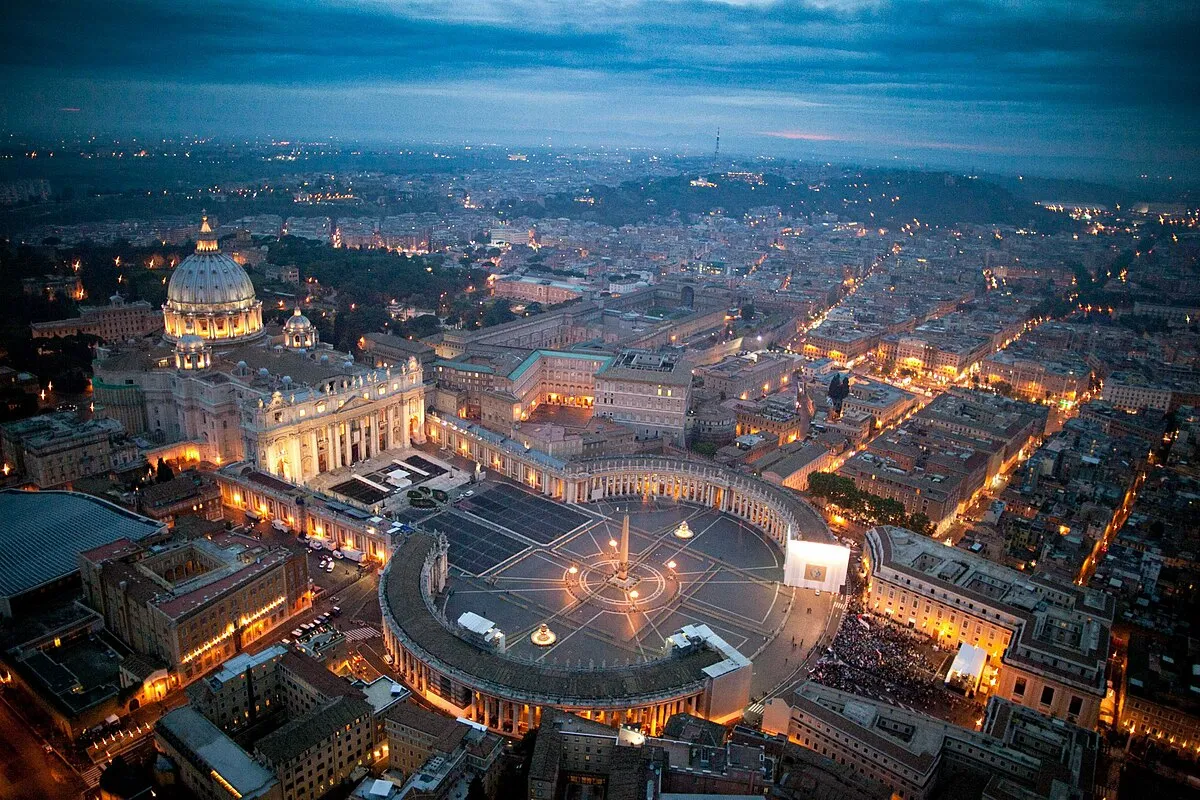
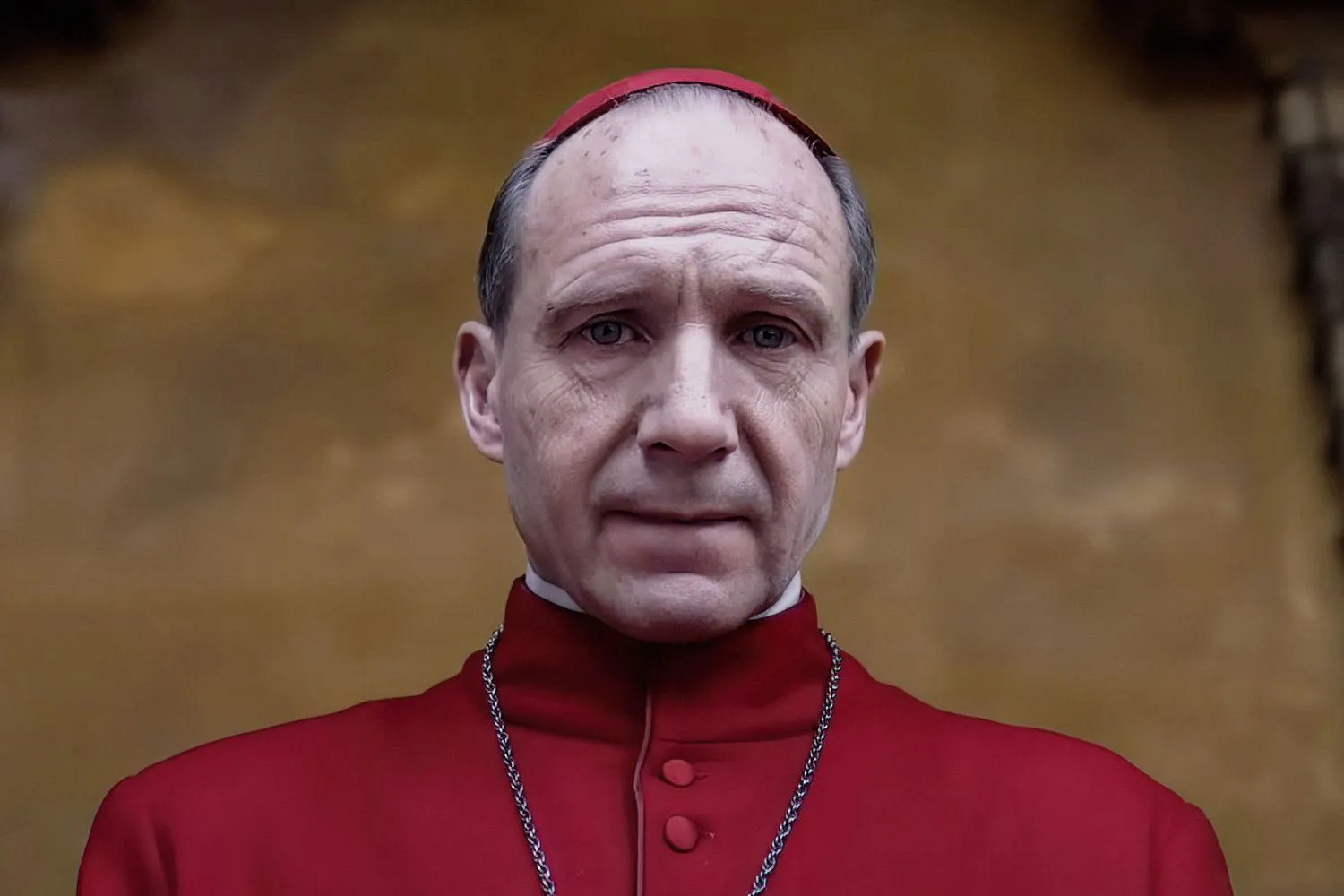
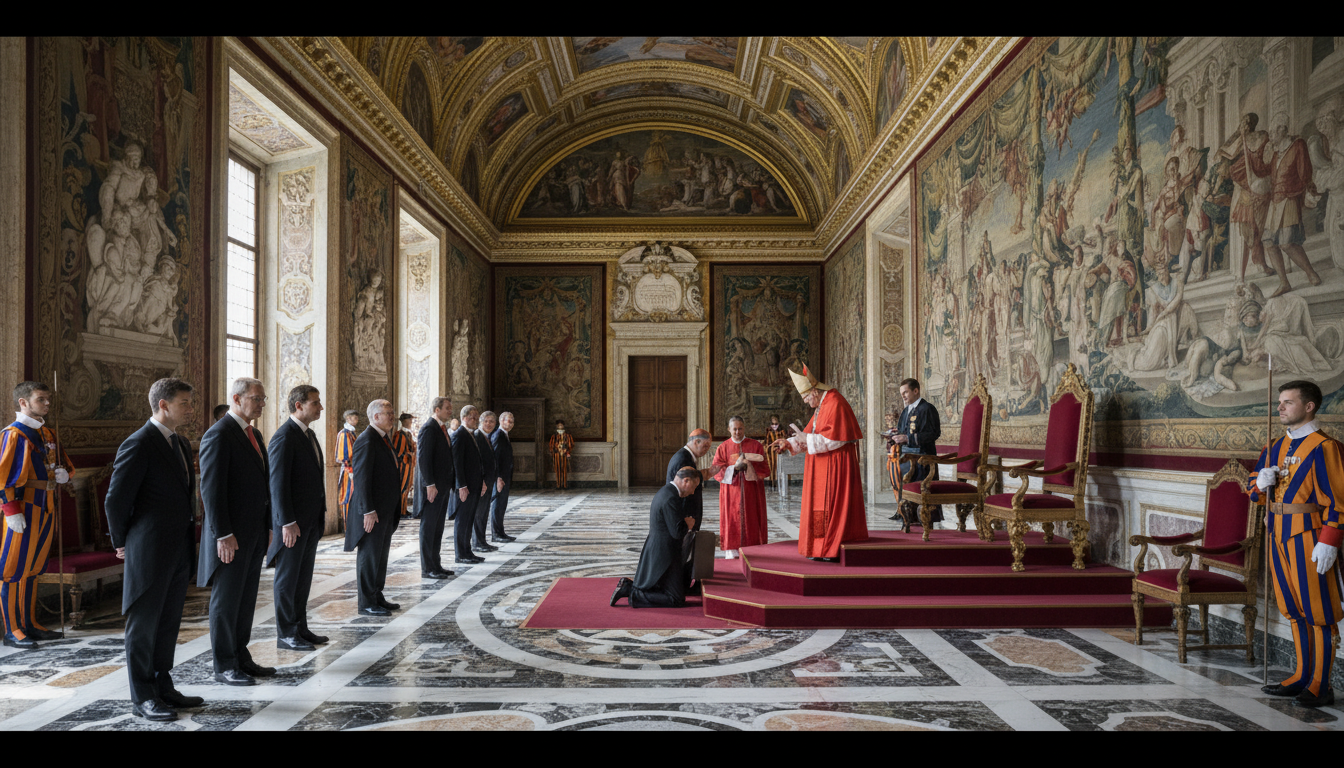
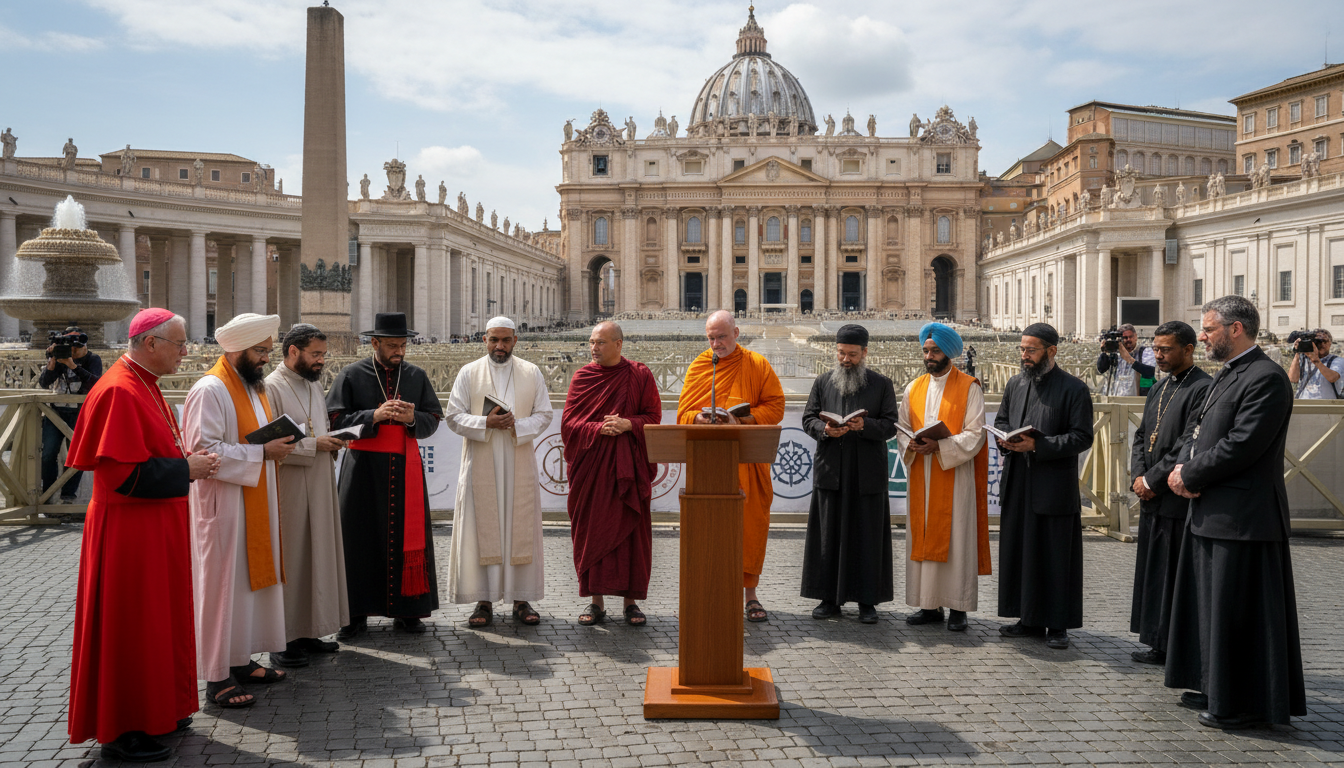
Pope Leo XIV meeting Archbishop leaders is set to take center stage in April, when the Bishop of Rome receives the newly appointed Archbishop of Canterbury at the Vatican. The planned encounter has been framed as a working audience rather than a ceremonial call, signaling a deliberate focus on shared Christian witness and practical cooperation. Reporting from Vatican News coverage of the announced audience places the meeting within the Holy See’s steady calendar of ecumenical engagement. This is also a timely continuation of public commitments already reiterated in recent weeks, including the Vatican’s emphasis on sustained dialogue with Anglicans and local partnerships that outlast headline moments.
Background on Archbishop Sarah Mullally
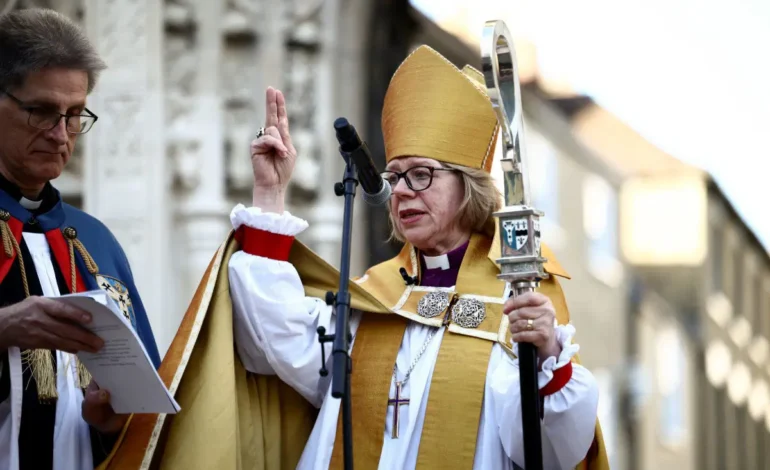
Archbishop Sarah Mullally arrives in Rome with a profile shaped by governance, pastoral oversight, and a public-facing role that demands clarity under pressure. Her elevation to Canterbury places her at the intersection of church leadership and national attention, where decisions are judged for both theological coherence and institutional stability. In Anglican terms, Canterbury’s voice influences communion-wide priorities; in Vatican terms, it provides a consistent counterpart for long-haul dialogue, even when internal debates differ across provinces. For context on the early framing of her ministry and announcements from the communion, official reporting from Anglican News has tracked the transition and the expectations around her leadership. In Rome, her credibility will be measured by preparation, not rhetoric.
Significance for Catholic-Anglican Relations
The meeting matters because Catholic-Anglican relations are built on patient accumulation of trust, and high-level audiences either add momentum or expose distance. The Vatican has recently signaled that dialogue should remain rooted in prayer, theological seriousness, and cooperation where possible, even when full visible unity remains elusive. That posture has been highlighted in coverage and commentary across the Holy See’s communications, including reflections that treat Anglican heritage as a lived reality in many communities. The broader narrative is reinforced by internal reporting such as analysis on Anglican heritage and Catholic mission, which frames engagement as a mission priority rather than a diplomatic accessory. The April audience, therefore, reads as a checkpoint: it tests whether the relationship is producing workable collaboration, not just kind statements.
History of Papal and Anglican Dialogues
Modern papal contacts with Canterbury have typically followed a recognizable pattern: formal audiences paired with joint prayer and an agreed language of friendship, then quieter technical work through commissions and local initiatives. The resilience of that structure has kept dialogue afloat through leadership changes, moral controversies, and shifting public expectations. What distinguishes the current cycle is the Vatican’s insistence that ecumenism should show tangible outcomes in a polarized world, especially where Christian communities face violence or political restriction. That principle has been echoed in recent Vatican-facing coverage of Pope Leo XIV’s approach to engagement beyond Rome, including his Monaco visit emphasizing faith and diplomacy. In that sense, the history is not a museum piece; it is the playbook for how April’s encounter could be structured and evaluated.
Expectations from the April Meeting
Expectations for a Vatican meeting April audience should be measured in deliverables that are realistic for two global communions: reaffirmed commitment to dialogue, alignment on humanitarian cooperation, and a clear signal that local partnerships will be encouraged rather than discouraged. The most credible outcomes are those that can be implemented without rewriting doctrine, such as coordinated responses to persecution, joint advocacy for peace, and collaborative support for refugees and vulnerable families. Within Vatican communications, Pope Leo XIV has repeatedly linked interreligious and interchurch engagement to peace-building, a theme reflected in related reporting like his call for religions to promote peace. If the meeting produces a shared statement, it will likely emphasize unity in service and prayer, avoiding policy specifics that either side cannot sustain.