


Pope Leo XIV’s Easter Call for Peace and Mercy
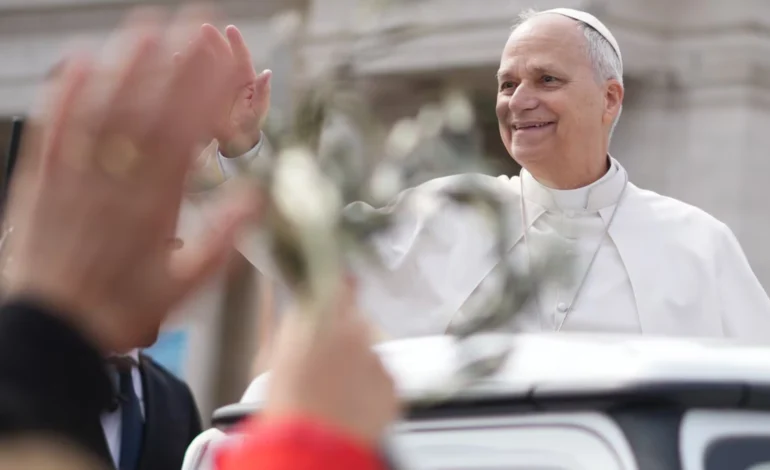

Introduction to Cardinal Parolin’s Message
Pope Leo XIV Easter peace message landed in the same register as Cardinal Parolin’s blunt Easter appeal to “end the foolishness of war,” a phrase that cuts through diplomatic euphemism with match-day clarity. The Vatican framed the season not as a sentimental pause but as a moral deadline: stop the violence, protect civilians, and restore space for humanitarian relief. Parolin’s remarks, reported widely, gave the Holy See a headline that functions like a captain’s armband, signaling leadership even without troops or sanctions. For readers tracking Vatican positioning, the point is not rhetoric for its own sake; it is the insistence that Easter demands concrete restraint, a reversal of escalation, and measurable steps toward dialogue.
Historical Context of Easter Peace Initiatives
Easter peace has long been treated in Vatican communications as a predictable fixture, but the historical record shows it can operate like a recurring international “window” when parties feel pressure to soften posture without losing face. The Holy See has repeatedly used the Easter cycle to elevate ceasefire language, prisoner considerations, and the protection of holy sites, while keeping channels open to capitals that refuse direct contact. The pattern matters because it normalizes a calendar-based opportunity for de-escalation, and it explains why Parolin’s line carries institutional weight rather than seasonal piety. Coverage on Vatican News reporting on Parolin’s Easter appeal underscores that the Holy See sees this moment as a test of political will, not a one-day plea.
Current Challenges in the Holy Land
Holy Land conflicts have turned every humanitarian corridor into contested ground, and that reality sharpens how the Vatican’s Easter language is received on the street. The Church’s emphasis on protecting the vulnerable intersects with local Christian communities who face displacement anxiety, economic shutdown, and restricted movement, all while being numerically small and politically exposed. Reporting elsewhere has highlighted these pressures, including accounts of regional Christian fears of displacement that show how quickly security decisions ripple into minority survival. Against that backdrop, Easter peace is not marketed as a vague hope; it is framed as the practical precondition for aid delivery, hospital functionality, and the continuation of parish life across borders that have become harder to cross and safer to avoid.
The Vatican’s Role in Mediating Peace
The Vatican’s role is often misunderstood as symbolic, but its comparative advantage is access: it speaks with actors who will not share a table, and it can do so without the optics of material leverage. That makes its interventions more like a neutral referee’s communication than a coach’s tactics, focusing on rules of restraint, humanitarian law, and pathways to negotiation. The Holy See’s approach also depends on continuity, with the Secretariat of State maintaining dialogue beyond the news cycle and using public statements to reinforce private contacts. Recent coverage of the Holy See urging an immediate halt to violence shows how the public line is calibrated to widen diplomatic space rather than close it. For Pope Leo XIV, aligning his Easter intervention with Parolin’s phrasing broadcasts unity of command across Vatican diplomacy.
Hope and Prayer for a Peaceful Future
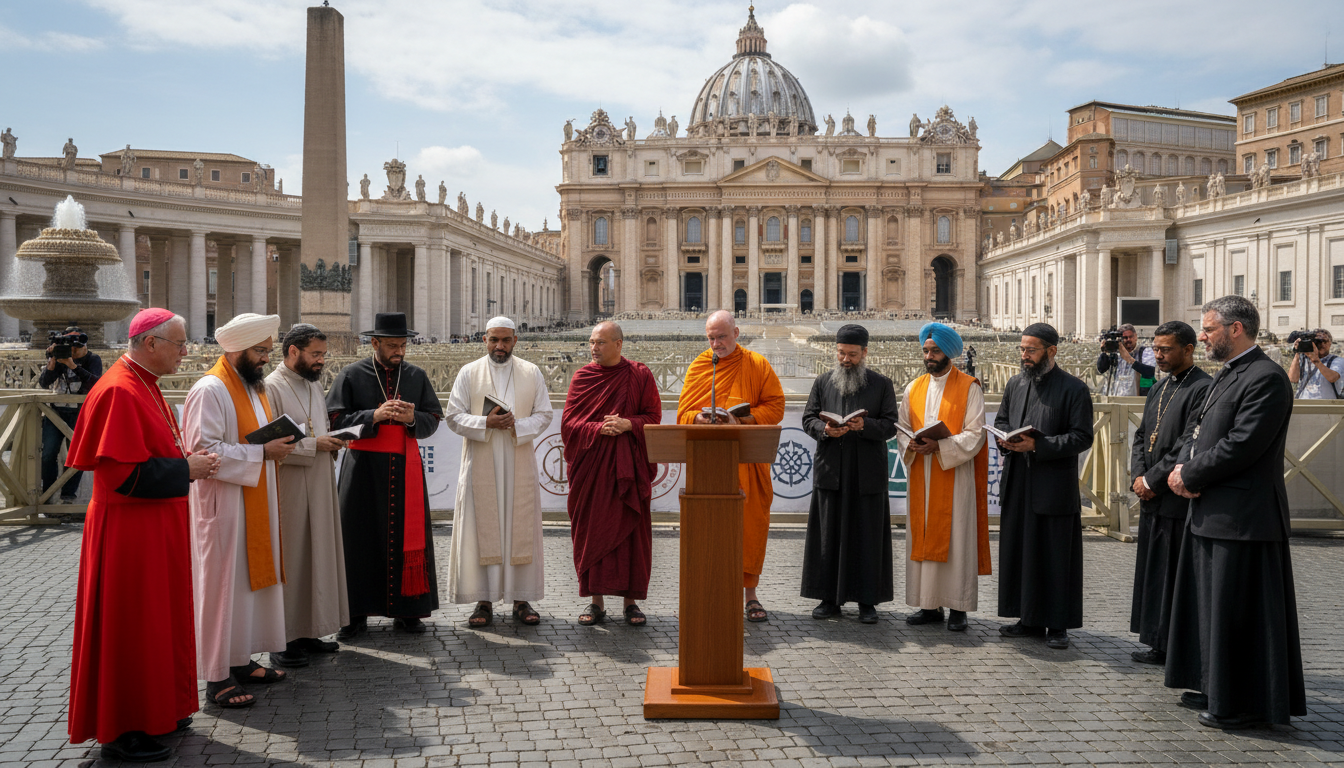
Hope and prayer are presented not as alternatives to policy but as the Church’s way of sustaining attention when fatigue sets in, and that distinction is central to how Pope Leo XIV’s message is constructed. The Vatican wants Easter peace to remain an agenda item after cameras leave, pairing spiritual language with consistent calls for restraint and protection of civilians. The Pope’s posture also fits a wider theme in his public interventions that religions can reinforce peace-building, not inflame it, as reflected in his argument that faiths can unite against radicalization. The Church’s forward-looking emphasis is endurance: keep humanitarian actors supported, keep diplomatic channels alive, and keep the moral vocabulary clear enough that atrocities are not normalized by repetition.