Pope Leo XIV to Italy Transplant Center on Care

Introduction to Pope Leo XIV’s Address
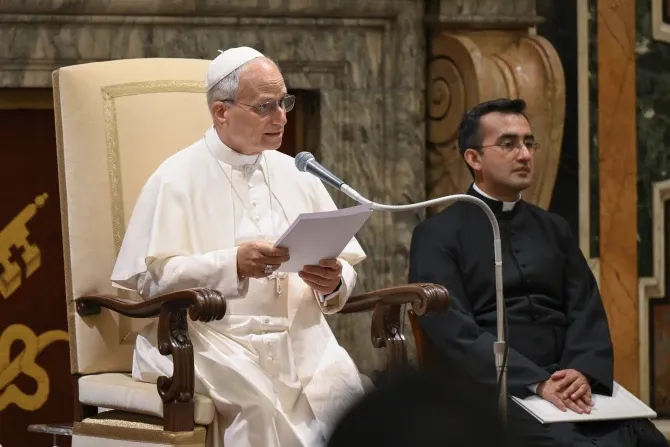
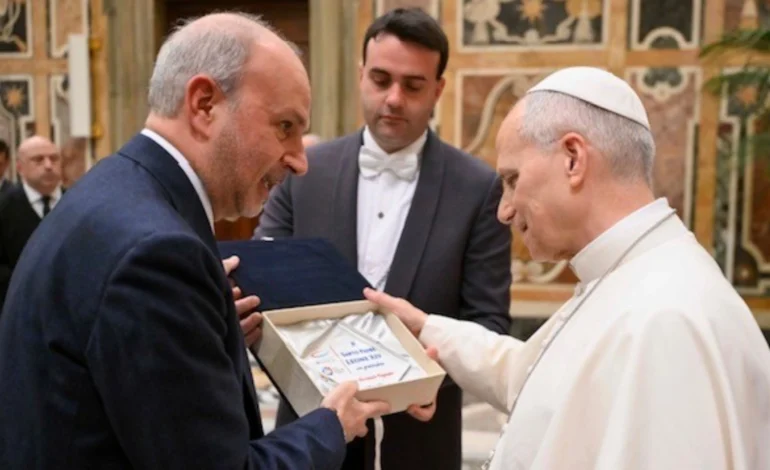
Pope Leo XIV National Center for Transplants was the clear focus as the Pope addressed Italy’s leading transplant institution with a message that landed like a referee’s whistle: patient welfare sets the line everyone must play to. He praised the professionals who turn complex systems into life-saving results, but he kept the spotlight on the people behind the procedures, the families waiting, and the donors whose gift changes the table. The address framed transplant work as a discipline of precision and conscience, not just logistics and technique, and it treated public trust as the oxygen the system needs to function. The Pope’s tone was firm, professional, and aimed at standards that can be measured in daily clinical choices.
Core Message: Patient-Centric Care
The central instruction was straightforward: patient care is the guiding principle, and every protocol, allocation decision, and communication strategy has to be judged against that benchmark. Pope Leo XIV positioned consent, transparency, and respect for vulnerability as practical requirements, not decorative language. That matters in a field where the pressure to move fast can tempt shortcuts in explanation, follow-up, or emotional support. He acknowledged the technical excellence required in transplantation, yet insisted that the moral center is never the operating room alone, but the full arc of care before and after surgery. For a deeper account of the address, the official report at Vatican News coverage of the speech to the transplant center details how the Pope framed dignity as the nonnegotiable baseline for clinical success.
The Role of Transplant Centers in Catholic Healthcare
In the Pope’s framing, transplant centers are not merely high-tech hubs; they are trust-based institutions that must prove, every day, that transplants Italy can be both efficient and ethically resilient. He highlighted the duty to protect the weakest participant in the system, especially when patients face fear, limited information, or unequal access to support. The address also reinforced that Catholic healthcare is judged by how it treats the person, not by how it markets innovation. That standard pushes centers to invest in counseling, clear consent pathways, and continuity of care that extends beyond discharge and statistics. Related reporting on how Pope Leo XIV links ethical practice with patient dignity appears in Pope Leo XIV’s remarks on ethical care and patient dignity, which underlines the same insistence on accountability at the bedside.
Implications for Global Healthcare Practices
The address carries implications beyond Rome because transplant medicine is global by design, with shared research, cross-border standards, and a constant need for public confidence. Pope Leo XIV effectively argued that the industry’s competitive edge should be integrity: sound governance, reliable outcomes, and clear safeguards against any perception of exploitation. That is a leadership message for regulators and administrators as much as for surgeons, because allocation rules and donor pathways are built in offices long before they are tested in emergencies. It also points to a communications playbook: explain trade-offs honestly, report outcomes consistently, and show the public how decisions are made when resources are tight. In the Vatican’s wider diplomacy of care and peace, Pope Leo XIV’s Monaco visit on faith and diplomacy reflects the same emphasis on institutions earning credibility through coherent ethics.
Concluding Thoughts on Faith and Healthcare
Faith and clinical practice met in the Pope’s closing logic: medicine can be both cutting-edge and humane when it refuses to reduce anyone to a case number. The Vatican’s perspective does not compete with science here; it demands that scientific strength be matched by moral clarity, especially where bodies, consent, and life-and-death timing intersect. The Pope’s remarks placed organ donation and transplantation within a culture of solidarity, insisting that systems must shield the vulnerable from pressure and protect families from confusion when decisions are most painful. He treated ethical discipline as a performance standard, like conditioning in elite sport, because a single lapse can damage trust across an entire league of hospitals. In that light, Pope Leo XIV’s Easter call for peace and mercy echoes the same conviction that compassion is not optional; it is the rulebook.