

Pope Leo XIV and Canterbury: Dialogue in Truth

Background on Catholic–Anglican Relations
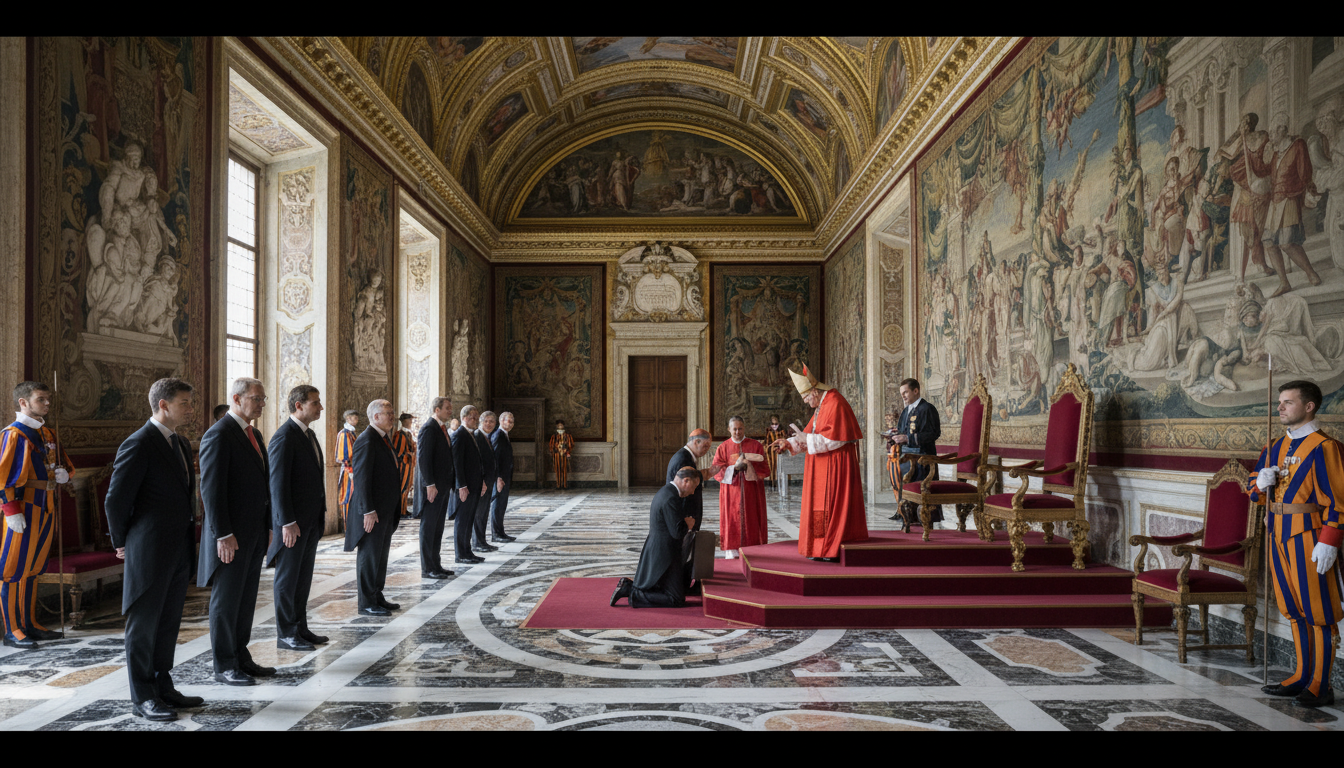
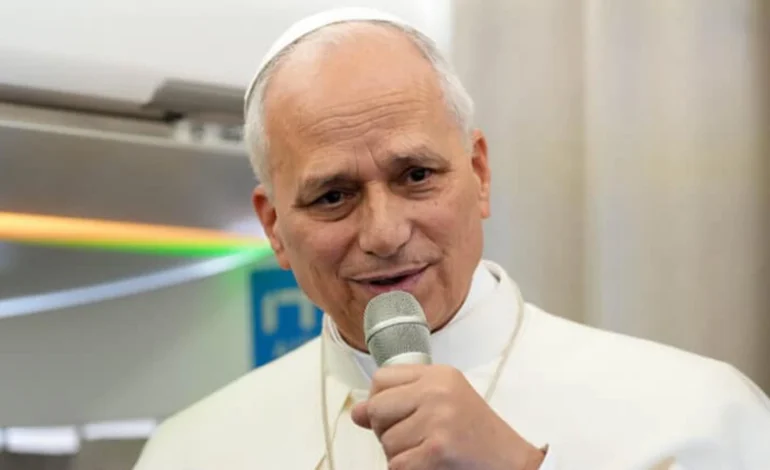
Catholic Anglican relations took center stage after Pope Leo XIV sent a message to the Archbishop of Canterbury, pledging that conversation will continue “in truth and love.” The point was not ceremony but cadence: keep the channel open, keep it honest, keep it charitable. In Vatican terms, the language signals a commitment to steady, rule-based engagement rather than headline-chasing gestures. The Pope’s note framed dialogue as a discipline, something practiced even when the scoreboard is tight and the crowd is restless. Read the Vatican’s report for the full context at Vatican News coverage of the Pope’s message. The immediate takeaway is continuity: neither side is walking away from the table, and both accept that candor belongs inside communion work, not outside it.
Pope Leo XIV’s Vision for Unity
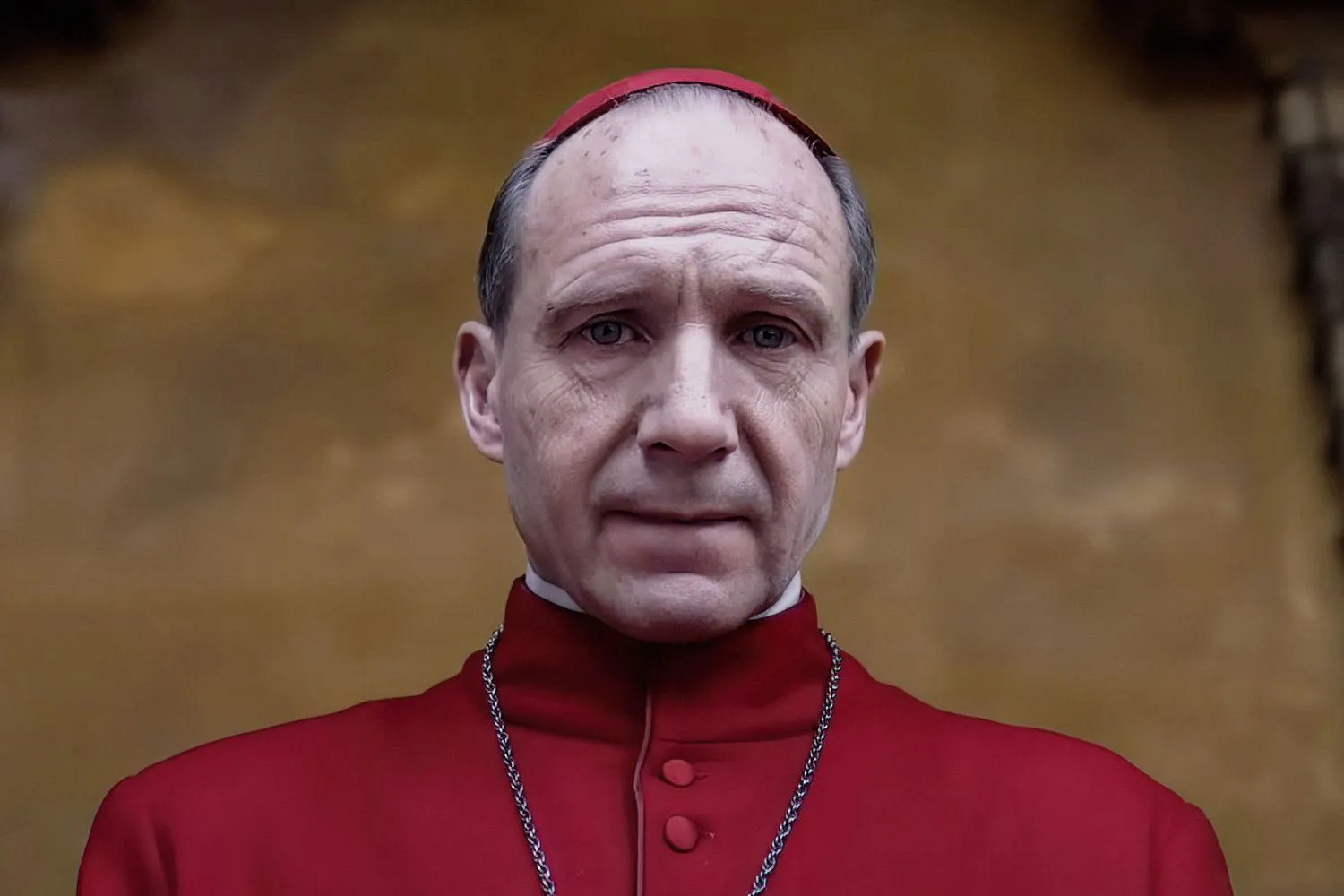
Pope Leo XIV’s message functions like a manager’s public vote of confidence: it defines the style of play while acknowledging the difficulties of the fixture list ahead. He located unity in a moral method, insisting that ecumenical dialogue must be anchored to truth, with love providing the tone and patience. That pairing matters because it rejects two extremes at once: sentimentality that avoids hard questions and confrontation that makes partnership impossible. The approach also aligns with the Vatican’s broader diplomatic rhythm under his pontificate, where unity is treated as a long campaign rather than a single match. Recent VaticanThreads reporting has tracked that posture across his public engagements, including Pope Leo XIV’s Easter Call for Peace and Mercy. In this lens, unity is not a slogan; it is a set of habits, repeated until trust becomes durable.
Role of Archbishop Sarah Mullally
Archbishop Sarah Mullally emerges in the Vatican narrative as the key counterpart carrying the office of the Archbishop of Canterbury into a new phase of contact. The Pope’s outreach treated her not as a symbolic figurehead but as a working partner whose ministry can keep lines of communication active and practical. That matters because personal rapport often decides whether formal commissions produce real progress or paperwork. The current moment also sits alongside broader Anglican–Catholic realities that include communities already living a form of shared heritage under Catholic structures, a point explored in Ordinariate bishops on Anglican Ordinariate identity. Mullally’s role, as presented, is to steward relationships without reducing them to public relations. In professional terms, she is the captain asked to manage tempo: respecting tradition, acknowledging differences, and still moving the ball forward through consistent contact.
Challenges and Opportunities Ahead
Any serious assessment of Catholic Anglican relations has to name the friction points without turning them into theatre. Differences in authority, ecclesial governance, and moral teaching remain material, and they shape what can be signed, celebrated, or implemented. Pope Leo XIV’s “truth and love” formula is effective precisely because it doesn’t pretend those gaps are cosmetic; it sets expectations that honesty will be part of the process rather than a rupture. At the same time, the opportunity is clear: cooperation on shared public witness, humanitarian concerns, and the defense of human dignity can build trust that later supports harder theological work. VaticanThreads has noted this emphasis on maintaining contact in its coverage of Pope Leo XIV’s April Meeting with Canterbury. The competitive pressure here is not rivalry but fatigue; the task is to keep the project credible through steady, verifiable steps.
Future of Ecumenical Dialogue
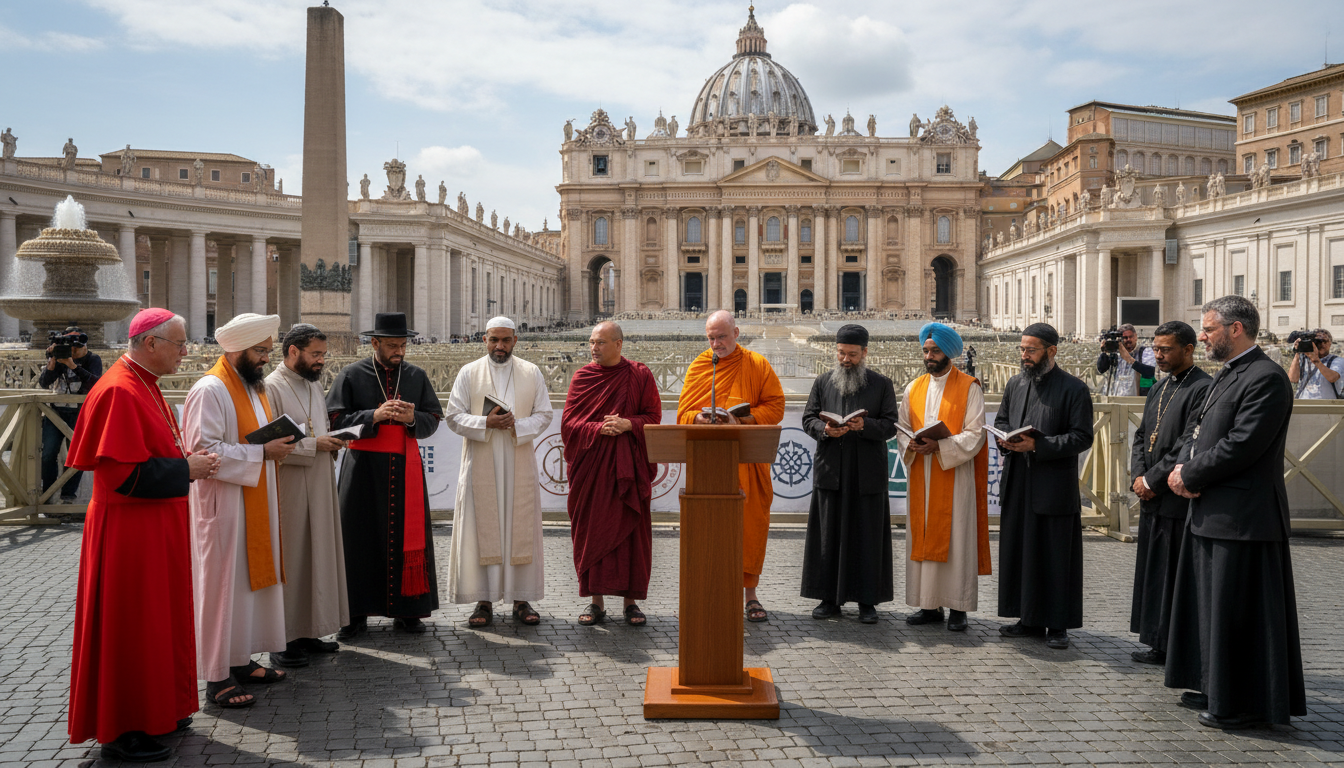
The message to Canterbury points to a future where ecumenical dialogue is judged less by dramatic announcements and more by measurable consistency: meetings held, joint statements grounded in doctrine, and cooperation that survives leadership cycles. That is why the Pope’s assurance matters; it is a commitment to keep the schedule, even when outcomes take time. For readers following church affairs like a season-long campaign, the most telling indicator will be whether the parties continue to invest in shared commissions and pastoral exchanges while maintaining clarity about their differences. External reporting will track how each communion receives the signal; the Anglican press has historically provided close attention to these developments, including analysis at Anglican Journal’s reporting and commentary. The momentum is real but controlled, with success defined by sustained engagement that protects integrity on both sides and avoids shortcuts that would collapse under scrutiny.