

Pope Leo XIV to French Bishops: Education & Abuse

Introduction to Pope Leo XIV’s Message
Pope Leo XIV message to French Bishops lands with the cadence of a head coach’s halftime talk: crisp priorities, no wasted motion, and accountability written between the lines. He urges the conference to hold the line on education, to keep reforming safeguarding structures, and to treat the liturgy as a living discipline rather than a branding exercise. The letter does not wander into abstractions; it names pressure points in France and insists on coordinated responses. The Pope’s tone is firm yet pragmatic, the way a veteran manager steadies a locker room after a costly mistake. For the French episcopate, the message is not a slogan but a set of measurable commitments, rooted in credibility and pastoral effectiveness.
Defending Catholic Education in France
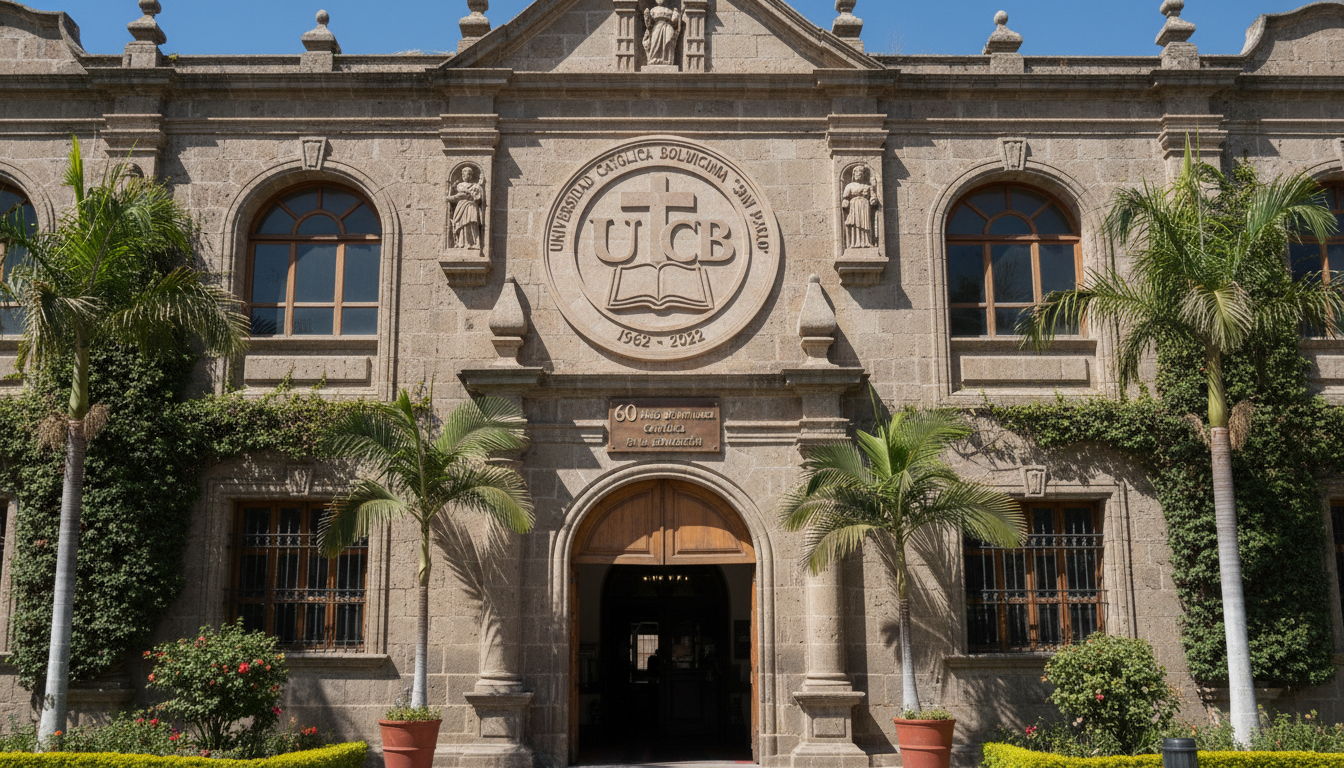
On Catholic education, Leo XIV is effectively arguing for formation as the Church’s long-term game plan, not an optional side program. He frames schools as places where intellectual rigor, moral reasoning, and social responsibility must stay integrated, especially when public debates try to reduce faith-based education to private preference. His emphasis also lands as a governance challenge: bishops must protect mission clarity while meeting academic standards and ensuring transparent stewardship. The Pope’s language supports educators who face cultural pushback, but it also demands internal coherence—curricula, chaplaincy, and leadership aligned to the Church’s purpose. That concern echoes wider Vatican positioning on public dignity, similar in spirit to the Holy See’s recent dignity initiatives, where principles are expected to show up in institutions, not only in statements.
Addressing Church Abuse and Preventative Measures
The hardest portion is safeguarding, where the Pope’s stress on Church abuse prevention reads like a performance review with no room for excuses. He presses for prevention that is systematic: consistent reporting pathways, professional screening, formation that recognizes risk factors, and an unambiguous duty to cooperate with civil authorities. The subtext is that credibility is rebuilt only through repeatable procedures and verifiable outcomes, not episodic apologies. He also signals that care for victims is not an adjunct ministry but a core test of ecclesial integrity. In a French context shaped by public scrutiny, the letter treats safeguarding as the baseline for everything else the Church wants to say. The thrust aligns with the reporting on Vatican News coverage of the Pope’s letter, which highlights prevention as a non-negotiable pastoral and administrative priority.
Reflections on Liturgical Practices
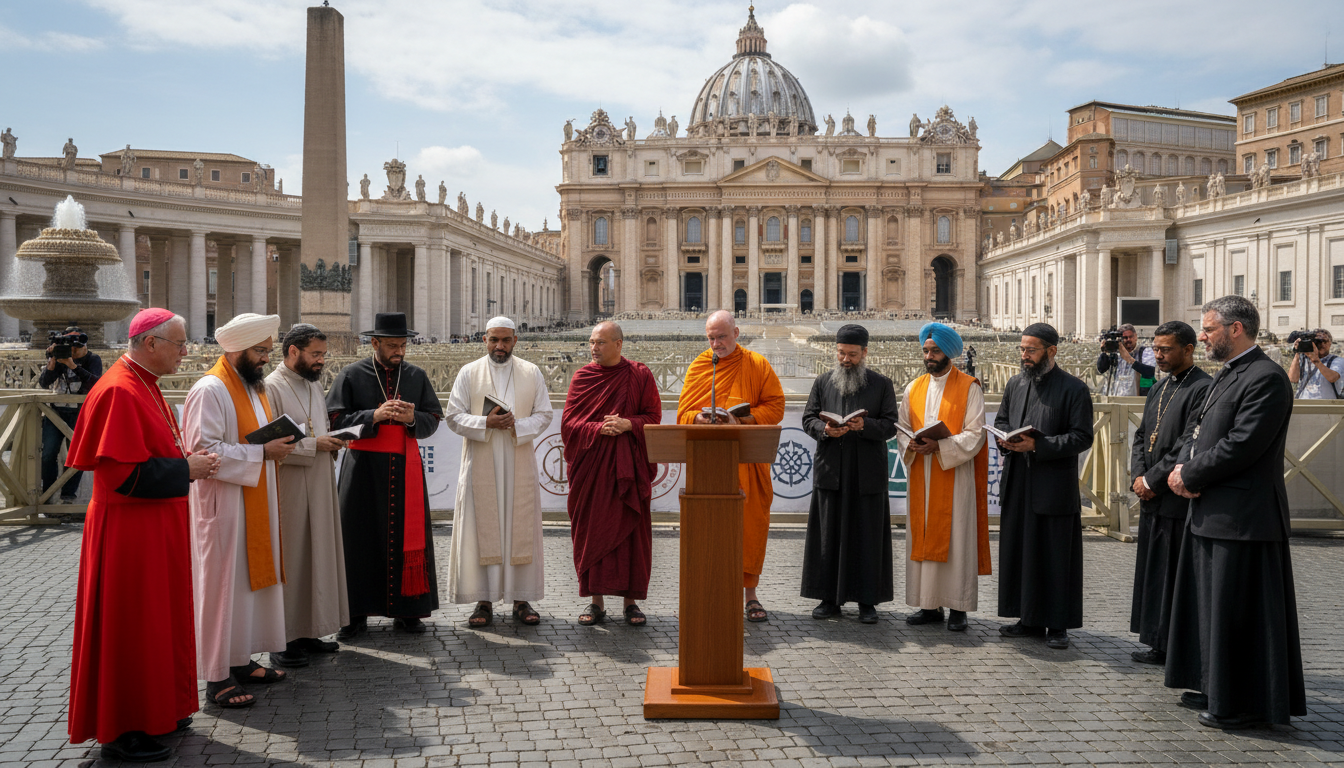
When Leo XIV turns to liturgical traditions, he does it like an analyst discussing fundamentals: the basics win championships, but only when they are practiced with discipline and unity. He urges fidelity to the Church’s norms while discouraging factional postures that turn worship into a proxy battle. The message is not nostalgia, and it is not experimentation for its own sake; it is about ensuring that the liturgy communicates the Church’s faith clearly, with reverence and pastoral sensitivity. In France, where parish realities vary sharply, the Pope’s point is that consistency matters because it shapes what people believe they are entering. That call for unity resonates with his broader insistence on dialogue without dilution, a theme also developed in his approach to dialogue in truth, where form and content must remain aligned.
Conclusion and Implications for the Church
The implications are direct: education, safeguarding, and worship are presented as linked components of a single credibility project. If Catholic education is to remain persuasive, it must be trusted; if safeguarding is to be trusted, it must be enforced; if the liturgy is to renew believers, it must be celebrated with integrity rather than used to signal teams. Leo XIV’s message is therefore a mandate for leadership habits—clear policies, consistent supervision, and public accountability—more than a one-off intervention. It also implicitly challenges bishops to communicate decisions plainly to priests, educators, and families, avoiding the mixed messaging that drains confidence. The same leadership logic appears in coverage of governance and unity themes across the pontificate, including his insistence on ethical care and human dignity, where the Church’s public witness depends on disciplined practice.