

Pope Leo XIV Praises Benedictine Communities for Hidden Service and Lifelong Prayer Mission
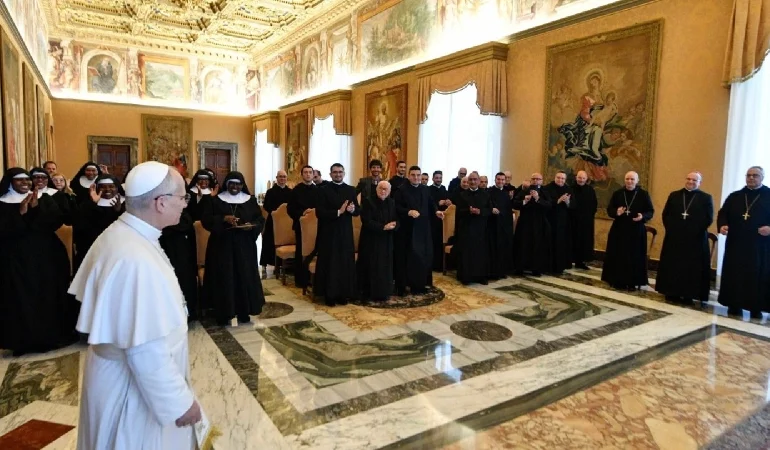

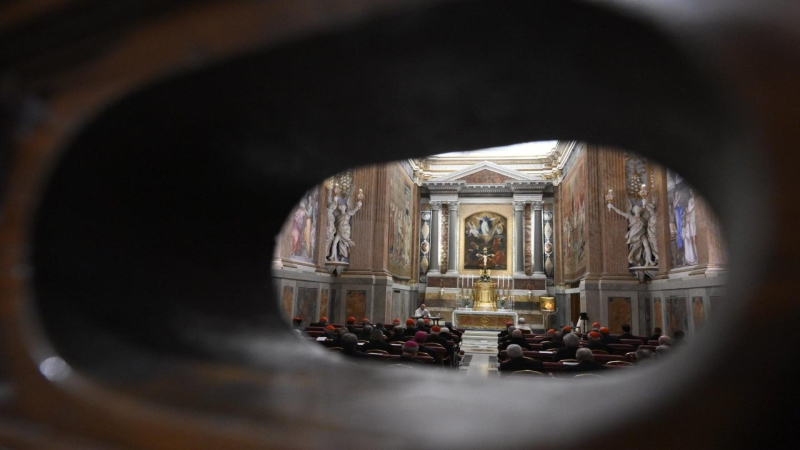
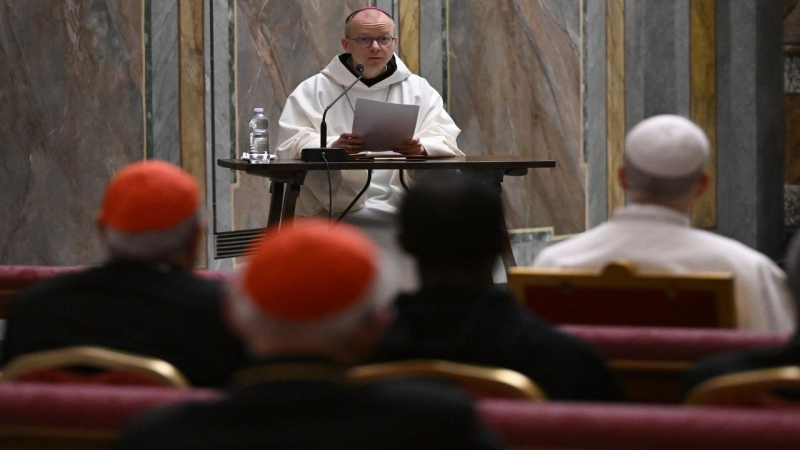
Pope Leo XIV has expressed deep appreciation for Benedictine monastic communities, highlighting their spiritual contribution to the Church through prayer, service, and silent witness. During a meeting at the Vatican, the Pope welcomed several groups of Benedictine nuns and monks, acknowledging what he described as the immense and often unseen good they bring to the life of the Church. He encouraged them to remain committed to what he called the work of God, emphasizing that their daily dedication strengthens not only their own spiritual journey but also the wider mission of the global Catholic community.
The gathering included monastic communities from Subiaco, Cesena, and Bari, reflecting the enduring presence of the Benedictine tradition across different regions. Addressing them collectively, the Pope spoke about the importance of their charism, which combines contemplation, discipline, and communal life. He noted that their vocation is not limited to personal devotion but extends into a broader witness that inspires others. Their rhythm of prayer and reflection, he explained, serves as a reminder of the central role that spiritual life plays within the Church’s identity and mission.
Drawing from the teachings of Saint Benedict, the Pope underlined the importance of vigilance in daily life, encouraging the religious to remain attentive to their actions and spiritual growth. He emphasized that prayer, along with reflection on Scripture, enables individuals to recognize both their limitations and the grace present in their lives. This awareness, he said, strengthens their commitment to God and renews their sense of purpose. By making Scripture a constant source of nourishment, Benedictine communities are able to cultivate a deeper relationship with Christ and share that experience through their way of living.
Pope Leo XIV also highlighted the communal dimension of monastic life, stressing that the path of holiness is lived together rather than in isolation. He encouraged practices such as mutual listening, shared discernment, and unity within both the monastery and the wider Church. This collective journey, guided by the Holy Spirit, reflects the universal nature of the Church and reinforces the importance of relationships grounded in faith. He noted that such a model stands in contrast to the individualism often seen in modern society, offering instead a vision of community centered on service and shared responsibility.
The Pope placed particular emphasis on the role of intercessory prayer, describing it as a fundamental aspect of the Benedictine vocation. Through prayer, he said, the faithful are united with Christ in a mission that transcends physical boundaries. He pointed to biblical examples to illustrate how constant devotion can lead to a deeper understanding of God’s presence. This hidden yet powerful form of service, he explained, plays a vital role in sustaining the spiritual life of the Church, even when it is not visible to the wider world.
In addition, Pope Leo XIV spoke about the importance of ongoing formation, encouraging Benedictine communities to continue deepening their understanding of Christ’s love. He stressed that growth in spiritual life requires both discipline and openness, allowing individuals to mature in faith while remaining rooted in tradition. By living out the primacy of charity, he said, each monastery can become a place where the Gospel is not only taught but fully embodied in daily life. This approach, he noted, strengthens the Church’s witness in a world that increasingly seeks meaning and stability.
As the meeting concluded, the Pope entrusted the Benedictine communities to the guidance of the Blessed Virgin Mary and the saints of their tradition, encouraging them to persevere in their mission. His message reaffirmed the essential role of contemplative life within the Church, recognizing it as a source of spiritual strength that continues to shape Catholic identity across generations and cultures.