

Pope Leo XIV Urges Illinois Leaders to Ground Authority in Service and Human Dignity
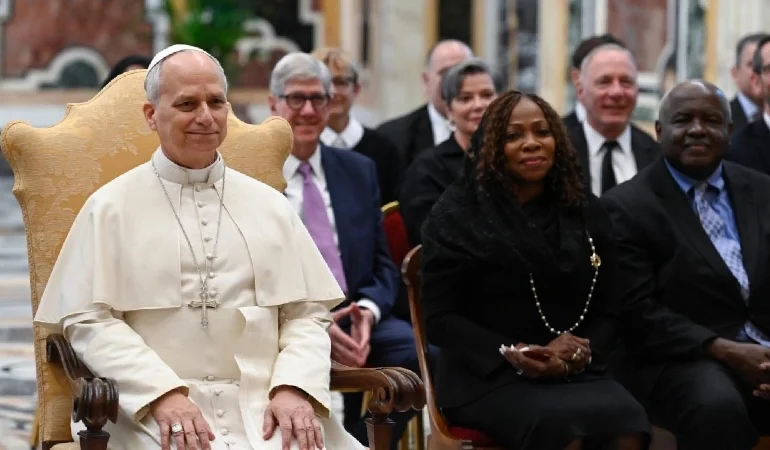

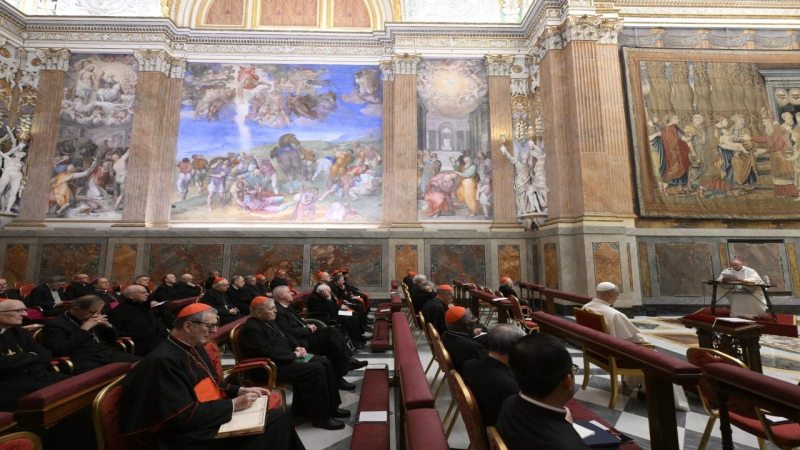
Pope Leo XIV has called on civic leaders to embrace a model of authority rooted in service, urging them to prioritize the common good and the dignity of every individual. Speaking during a Holy Week audience at the Vatican, the Pope addressed a delegation from the Illinois Municipal League, highlighting the spiritual significance of leadership in public life. He framed his message within the context of Holy Week, noting that even the most difficult circumstances can be transformed through love, offering a perspective that connects faith with the practical responsibilities of governance.
The Pope emphasized that leadership is not about power or status, but about serving others, drawing inspiration from the example of Christ. He reminded the delegation that true authority is demonstrated through care for others, especially the most vulnerable members of society. The Illinois Municipal League, which represents approximately 1,300 municipalities across the state, brings together local leaders responsible for shaping communities and addressing real world challenges. In this context, the Pope stressed that governance must be guided by compassion, responsibility, and a genuine commitment to improving people’s lives.
Highlighting the moral dimension of public service, Pope Leo XIV encouraged leaders to actively engage with the realities faced by their citizens. He pointed out that understanding people’s struggles and aspirations is essential for effective decision making. Municipalities, he said, are not abstract institutions but living communities made up of individuals with unique stories and needs. By recognizing this, leaders can create policies that reflect both justice and humanity, ensuring that governance remains connected to the everyday experiences of those it serves.
The Pope also drew on historical examples to reinforce his message, referencing the legacy of civic leaders who viewed their roles as a form of service rather than authority. He noted that public officials have a responsibility to take concrete action to alleviate suffering and address inequality. This includes listening to marginalized groups, including the poor and migrants, and working toward solutions that promote holistic human development. Such an approach, he explained, aligns with the Church’s broader vision of social responsibility and solidarity.
Throughout his address, Pope Leo XIV returned to the theme of dignity, underscoring that every person deserves respect and care regardless of their circumstances. He encouraged leaders to remain attentive to those who are often overlooked, reminding them that their decisions can have a profound impact on individuals and families. By fostering inclusive and compassionate communities, civic leaders can contribute to a society that reflects both ethical values and practical effectiveness in governance.
The meeting also highlighted the connection between faith and public life, particularly during a period as spiritually significant as Holy Week. The Pope’s message reinforced the idea that leadership is not only a professional responsibility but also a moral calling. He expressed appreciation for the work carried out by public officials, acknowledging the challenges they face while encouraging them to remain guided by principles of service and integrity.
As the audience concluded, Pope Leo XIV entrusted the delegation to the intercession of Saint Frances Xavier Cabrini, a figure closely associated with service to migrants in the United States. His message served as both encouragement and challenge, urging leaders to carry out their duties with dedication, compassion, and a renewed commitment to serving the common good in their communities.