
Chicago Catholics Mourn Loyola Student and Urge Ethical Response as Immigration Debate Intensifies
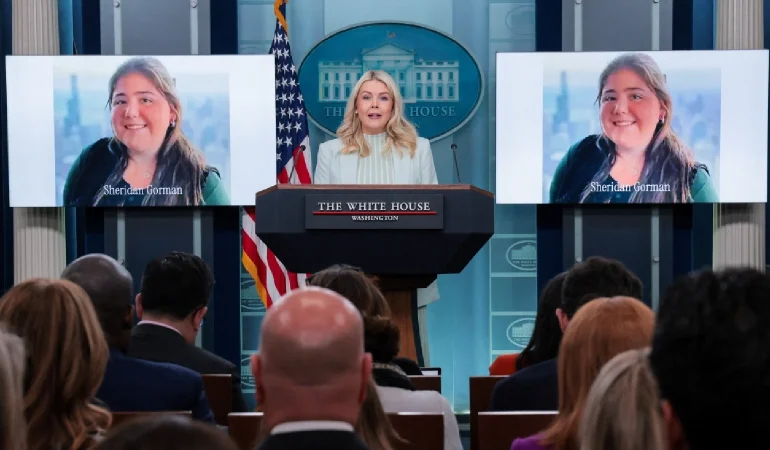

Catholic communities in Chicago are mourning the loss of a Loyola University student while urging society to respond with compassion rather than division, as the tragedy becomes entangled in a wider political debate on immigration. The killing of 18 year old Sheridan Gorman near campus has deeply shaken both the Church and local community, prompting calls for prayer, solidarity, and moral clarity. Church leaders have emphasized that moments of grief must not be overshadowed by political agendas, especially when the dignity of human life is at the center of the crisis.
The incident occurred during a late night gathering near a lakeside area close to the university, where a gunman approached a group of students before opening fire. Authorities later arrested a suspect identified as a foreign national, which quickly shifted the public conversation toward immigration policy. The case drew attention from national and local leaders, with differing interpretations of responsibility and policy failures. As the situation unfolded, the tragedy moved beyond a criminal case and became part of a broader national discourse, raising concerns about how such events are framed and interpreted.
Catholic leaders, including Cardinal Blase Cupich, have focused their response on the human dimension of the loss, emphasizing the need to accompany the grieving family and community. He described the pain of the parents as deeply personal and called on society to share in that grief rather than allowing it to be diluted by political argument. Vigils held at Loyola University brought together students, clergy, and families, reinforcing the Church’s role as a place of healing and unity during moments of profound sorrow.
At the same time, voices within the Church have cautioned against using the tragedy to promote divisive rhetoric or policies that may harm vulnerable communities. Catholic advocates stressed that while justice must be pursued, it should not come at the cost of compassion or fairness. They highlighted the importance of separating individual criminal responsibility from broader social narratives, warning that the misuse of such events can deepen societal divisions and undermine the dignity of entire groups, particularly migrants already facing hardship.
The victim’s family has also called for accountability without political exploitation, urging leaders to focus on addressing failures directly rather than shifting blame. Their message has resonated within Catholic social teaching, which emphasizes truth, responsibility, and the protection of human dignity. Church voices have reinforced that public discourse must remain grounded in respect for life, ensuring that no tragedy is reduced to a tool for ideological conflict or policy gain.
The case has renewed discussion about the complexities of immigration systems and public safety, but Catholic leaders continue to frame the issue through a moral lens. They stress that justice must be applied equally, while also maintaining a commitment to protecting the vulnerable and avoiding collective judgment. This balanced approach reflects the Church’s broader teaching on social responsibility, where law and compassion must work together rather than in opposition.
As the legal process moves forward, the focus within the Catholic community remains on honoring the life lost and supporting those affected. Prayer services and community gatherings continue to offer space for reflection and healing, while Church leaders call for a more humane and responsible public response. The tragedy has become not only a moment of mourning but also a test of how society chooses to uphold dignity, justice, and unity in the face of loss.