Cameroon archbishop urges lasting impact from Pope Leo XIV’s peace message
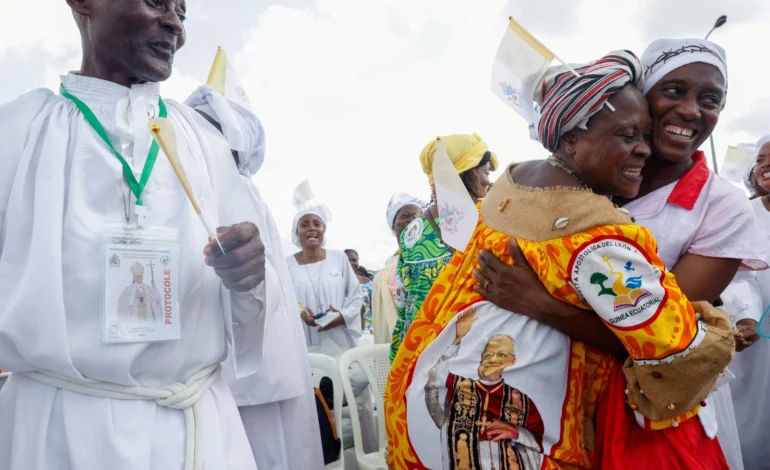

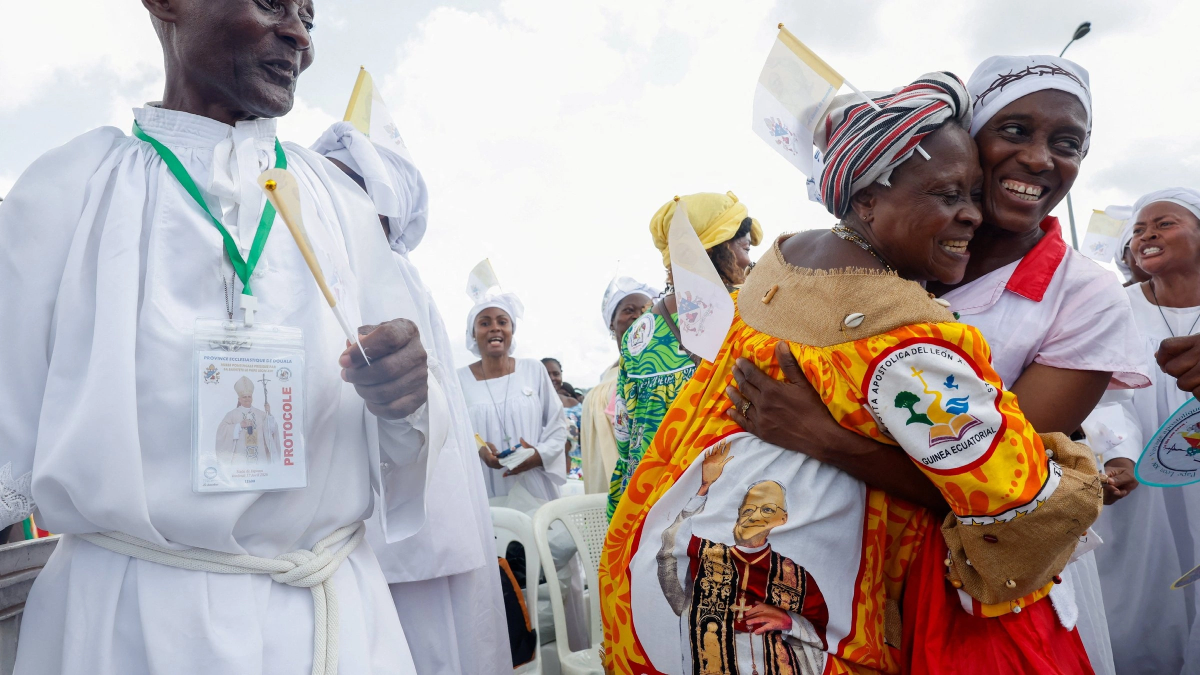
Church leaders in Cameroon have described Pope Leo XIV’s recent visit as a pivotal moment for peace and reconciliation, urging that the Pope’s message not be lost amid ongoing conflict and instability in the country. The appeal comes as the nation continues to face deep security and political challenges, including armed violence, displacement, and long standing regional tensions.
Archbishop Samuel Kleda of Douala emphasized the importance of ensuring that the spiritual and social messages delivered during the papal visit translate into concrete action. He stated that the country must not allow the Pope’s words to fade without impact, stressing that the moment created by the visit represents a rare opportunity for national reflection and renewal.
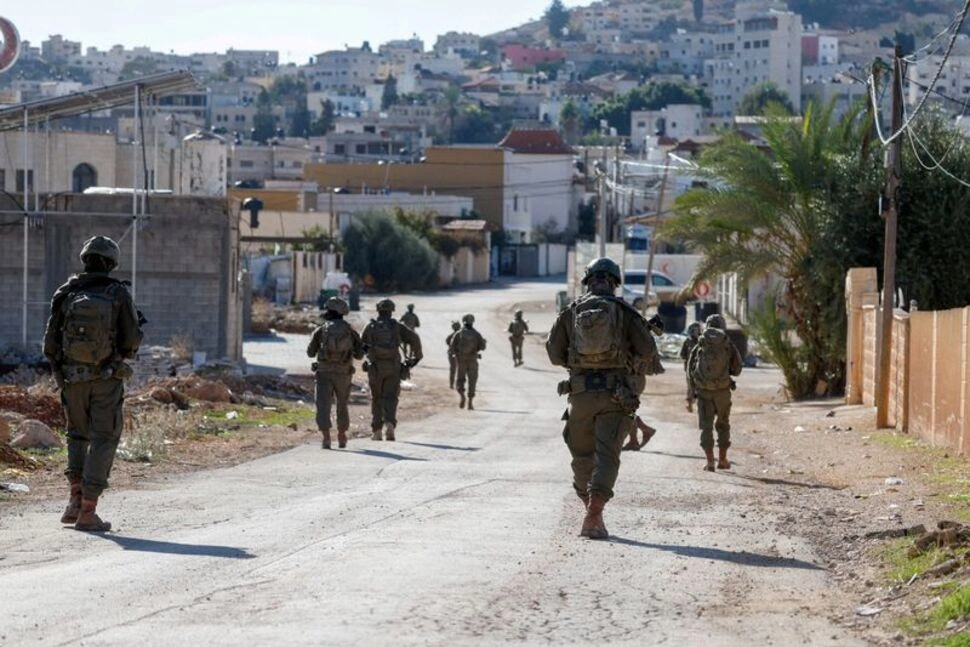
The Pope’s visit to Cameroon, which took place from April 15 to 18, unfolded against a backdrop of complex crises, including ongoing attacks linked to Boko Haram in the northern regions and an armed separatist conflict in the English speaking areas. The conflict has resulted in thousands of deaths and displaced hundreds of thousands of people, creating one of the most serious humanitarian situations in the region.
Church leaders have described the visit as a moment of grace, often referring to it as a kairos, a decisive opportunity for change. According to local bishops, the Pope’s presence and his call for peace resonated widely across communities affected by violence, including both government representatives and armed groups. In some areas, temporary ceasefires were reported during the visit to ensure safety and allow participation in public events.
Bishop George Nkuo of Kumbo noted that the Pope’s message appeared to touch even those directly involved in the conflict, suggesting that there is growing fatigue among fighters and civilians alike. He said that the temporary reduction in hostilities during the papal visit reflected a deeper desire for peace among populations who have endured years of instability and insecurity.
Despite previous attempts at national dialogue, including government led peace initiatives, progress toward lasting resolution has remained limited. Church authorities continue to position themselves as mediators and advocates for reconciliation, encouraging dialogue and emphasizing the need for inclusive solutions that address both political and social grievances.
As Cameroon reflects on the impact of the papal journey, Church leaders are calling for sustained commitment to peace building efforts. They stress that the success of the visit will ultimately depend on whether its message can inspire long term change, foster trust between divided communities, and contribute to ending cycles of violence that have affected the nation for nearly a decade.