

Vatican moves to strengthen AI oversight amid growing concerns over digital misinformation


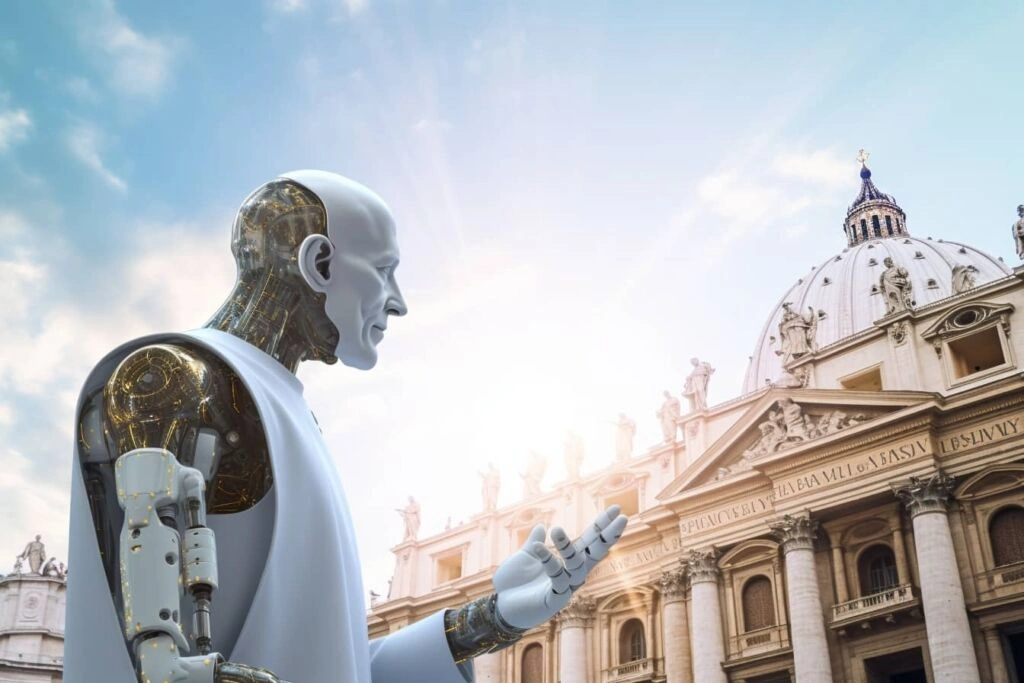
The Vatican is increasingly positioning itself as a key global voice in the regulation and ethical oversight of artificial intelligence, with new initiatives aimed at addressing what Church leaders describe as a growing crisis of truth in the digital age. The Holy See has been expanding its internal cybersecurity measures and developing structured approaches to AI governance, reflecting concern over how rapidly advancing technology is reshaping communication, information, and trust.
Officials within the Vatican have highlighted that artificial intelligence presents both opportunities and risks, particularly in relation to the authenticity of information and the potential spread of misinformation. The Church has been actively developing guidelines that emphasize the importance of human dignity, ethical responsibility, and transparency in the use of emerging technologies. These principles are intended to ensure that AI systems remain tools that support human activity rather than replace or distort it.
Recent internal policies introduced by the Vatican outline clear expectations for the use of artificial intelligence within its institutions. These include requirements that AI applications remain human centered and ethically accountable, with strict safeguards against manipulation, discrimination, and misuse of data. Church authorities have stressed that technology should serve human development and moral responsibility, rather than undermine them or operate without oversight.
Pope Leo XIV has also spoken directly about the limitations of artificial intelligence in spiritual and pastoral contexts, cautioning clergy against relying on AI for core religious duties such as sermon preparation or digital engagement strategies. He has emphasized that faith and pastoral communication are fundamentally human experiences that cannot be replicated by automated systems, underscoring the importance of personal witness and spiritual authenticity in Church teaching.
The Vatican’s approach comes at a time when global concern is rising over the influence of AI generated content and the spread of disinformation across digital platforms. Church leaders have warned that unchecked technological development could contribute to a broader erosion of trust in public discourse, making it increasingly difficult to distinguish between genuine and artificial content in everyday life.
While there is no official indication that the Vatican is developing a centralized system to verify truth or regulate global information, its growing involvement in AI ethics has positioned it as an influential voice in ongoing international debates. The Holy See continues to frame its role as one of moral guidance, seeking to ensure that technological progress remains aligned with human values, ethical responsibility, and the protection of human dignity.