




The Meaning of Ecclesiastical Communion
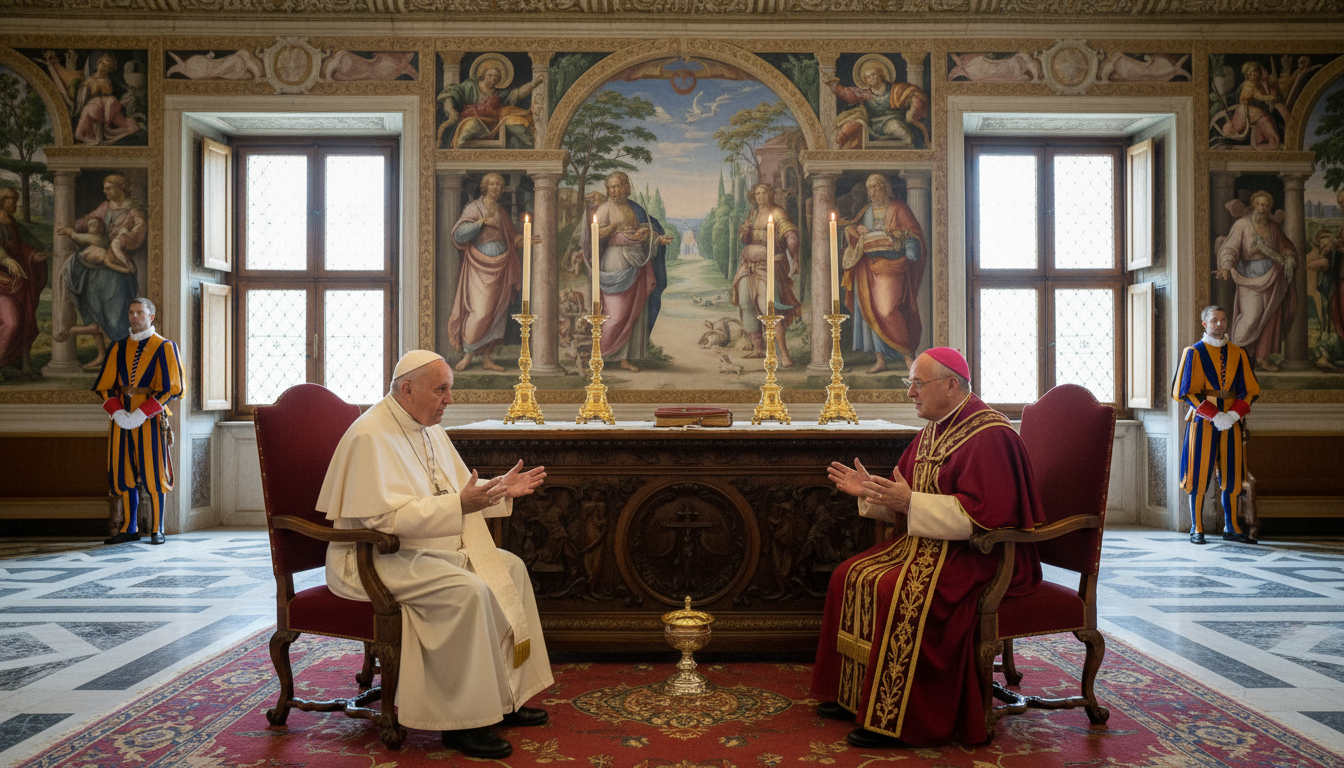
Vatican officials framed the Pope’s latest act as a juridical and pastoral step that clarifies how an Eastern Catholic Church relates to Rome. In the text on Vatican News, the granting of ecclesiastical communion is presented as a formal confirmation of full Catholic communion, rather than a change in doctrine or rite. Today, canon lawyers note that such recognition protects the proper exercise of a patriarch’s authority while keeping the universal bond intact. Live attention around the decision has also highlighted how communion affects liturgical remembrance, the exchange of letters, and the reception of synodal acts. An Update from Vatican News emphasized continuity with prior practice and the public character of the gesture.
Background on the Chaldean Patriarchate
The Chaldean Patriarchate leads an Eastern Catholic community rooted in Mesopotamian Christianity, with significant pastoral responsibilities among diaspora families as well as communities in the Middle East. Vatican News described the Pope’s decision as directed to the Chaldean Patriarch in a context of sustaining ecclesial life under pressure from displacement and emigration. Today, church leaders have sought predictable channels for coordination between patriarchal structures and Roman dicasteries on matters like clergy formation and marriage cases. In wider Live coverage about religious leadership and governance, readers also compare institutional decisions across regions, including Canada launches new sovereign wealth fund under Carney as noted in Canada launches new sovereign wealth fund under Carney. The Vatican News article offers the authoritative account of the ecclesial act and its intent.
Pope Leo XIV’s Role in Church Unity
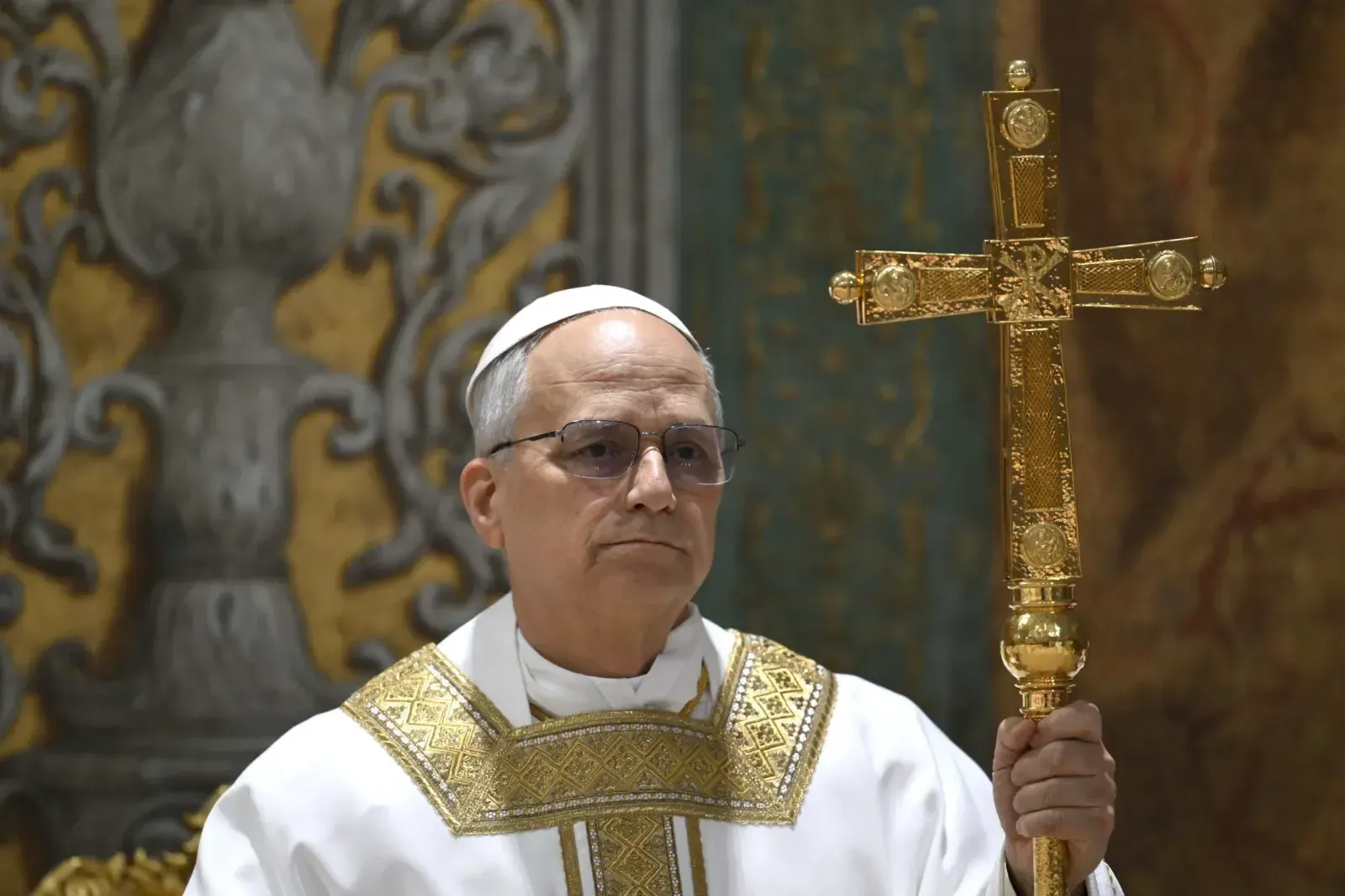
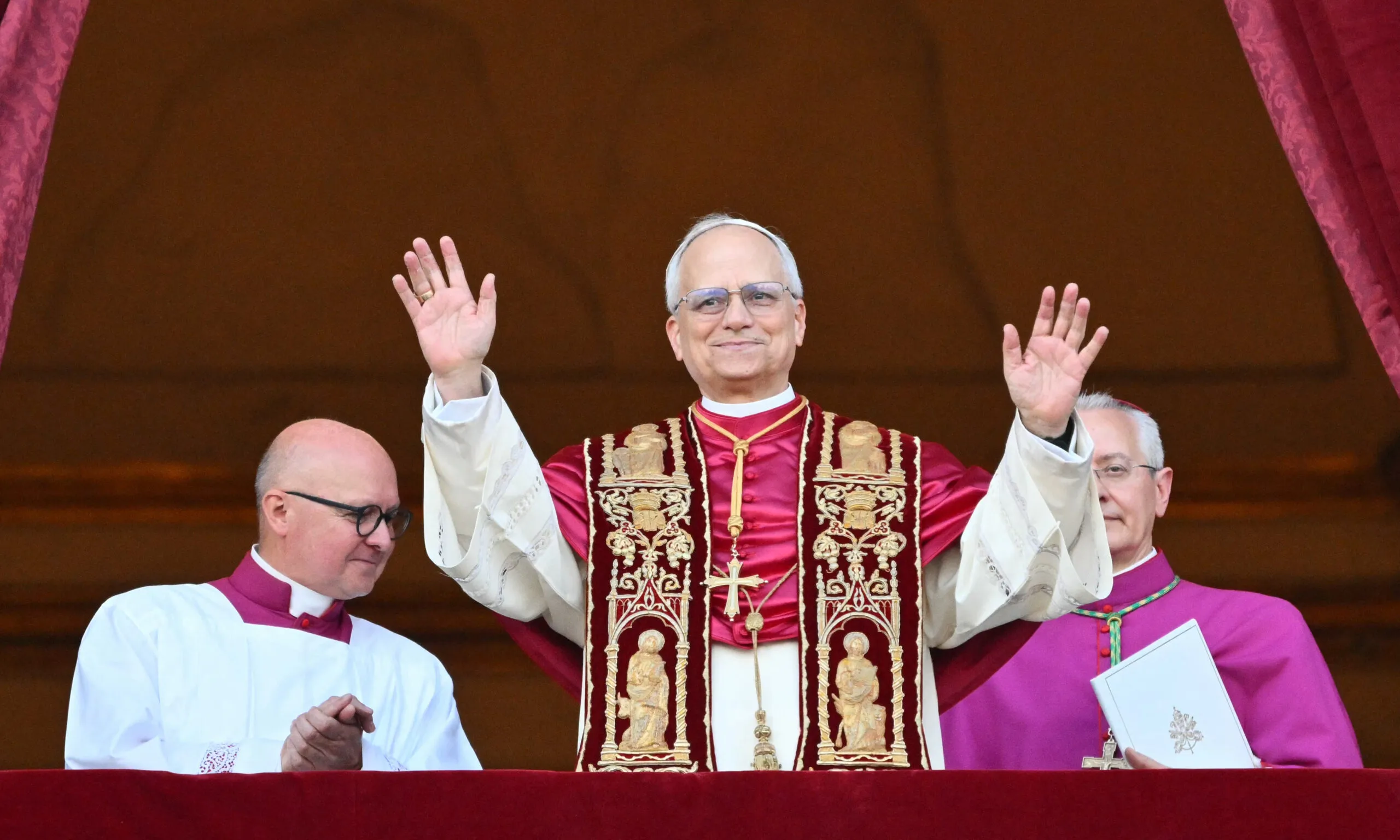
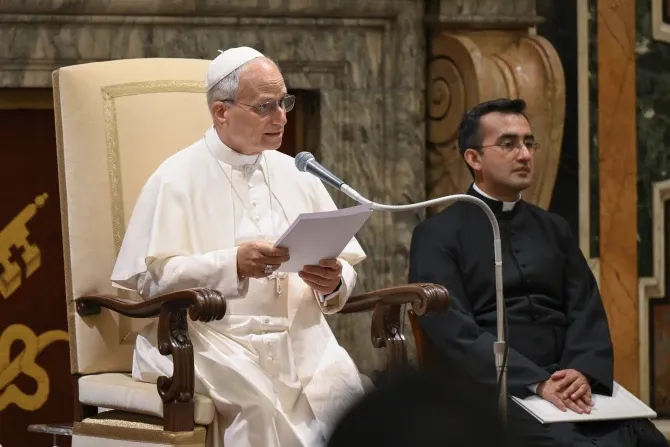
In the Vatican News account, Pope Leo XIV is portrayed as using established instruments of communion to keep distinct traditions visibly connected to the See of Rome. The move is closely watched because it is an early, concrete signal of church unity expressed through law, prayer, and relationships, not slogans. Live interest has focused on how the Pope’s letters and decisions reinforce respect for Eastern governance while insisting on shared faith and sacramental life. In explaining the current step, Vatican News details how ecclesiastical communion functions as a bridge between patriarchal self administration and universal oversight. A parallel Update in Vatican cultural coverage shows the same emphasis on listening and encounter in another setting, as described in Holy See Pavilion at Venice Biennale calls for listening and spiritual depth through art in Holy See Pavilion at Venice Biennale calls for listening and spiritual depth.
Implications for the Global Catholic Church
For the global Catholic Church, the decision signals that Rome is prioritizing stable frameworks for Eastern Catholic life while keeping public lines of communion clear to the faithful. Vatican News presents the act as strengthening shared witness, especially where minority Christians face social and political vulnerability, including communities in Iraq and the broader Middle East. Today, bishops and diplomats often read such recognitions as guidance on how the Holy See expects collaboration to work in practice, from episcopal nominations to pastoral care for migrants. Live observers in ecumenical circles also track whether visible acts of communion reduce internal friction and help dialogue partners understand Catholic structures more accurately. The Vatican News report is the key documentary reference for the decision and the way it is being communicated.
The Path Forward for Ecclesiastical Cohesion
Church officials now face the practical work of translating a formal act into day to day coordination, including clear procedures for consultations and timely handling of cross border pastoral issues between Rome and patriarchal offices in the Middle East. The focus is less on ceremony and more on governance, formation, and consistent communication between patriarchal offices and Roman dicasteries. Today, pastoral leaders also stress that cohesion depends on protecting the integrity of each tradition while resisting politicization of internal church life. Live monitoring of subsequent statements will show whether shared priorities emerge around clergy support, youth ministry, and care for displaced families. A measured Update from Vatican communications is likely to emphasize that cohesion grows through concrete collaboration, not rhetorical escalation, and through reliable channels for resolving disputes before they harden.