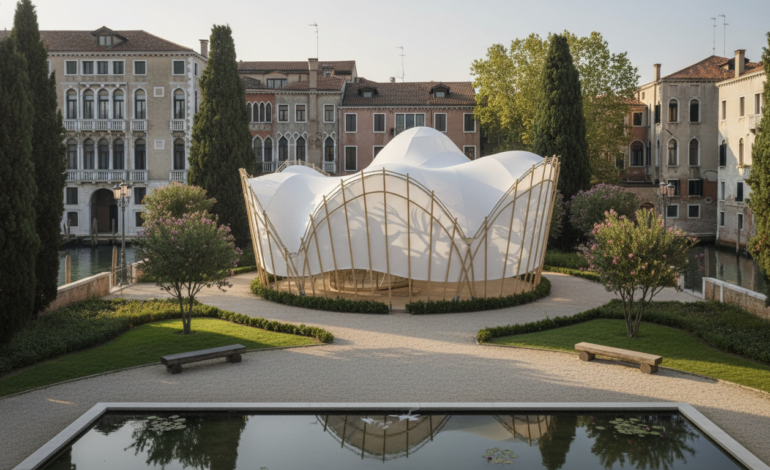

Holy See’s Participation in Venice Biennale
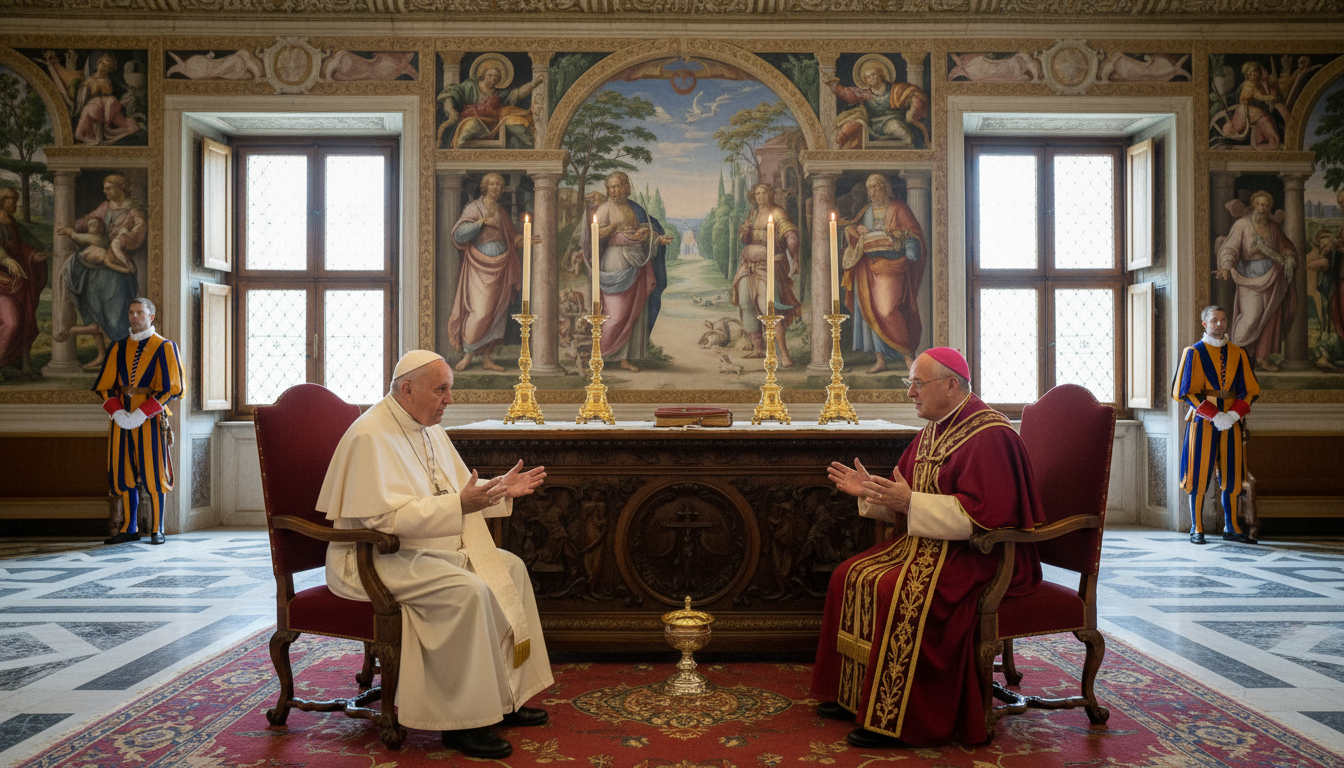
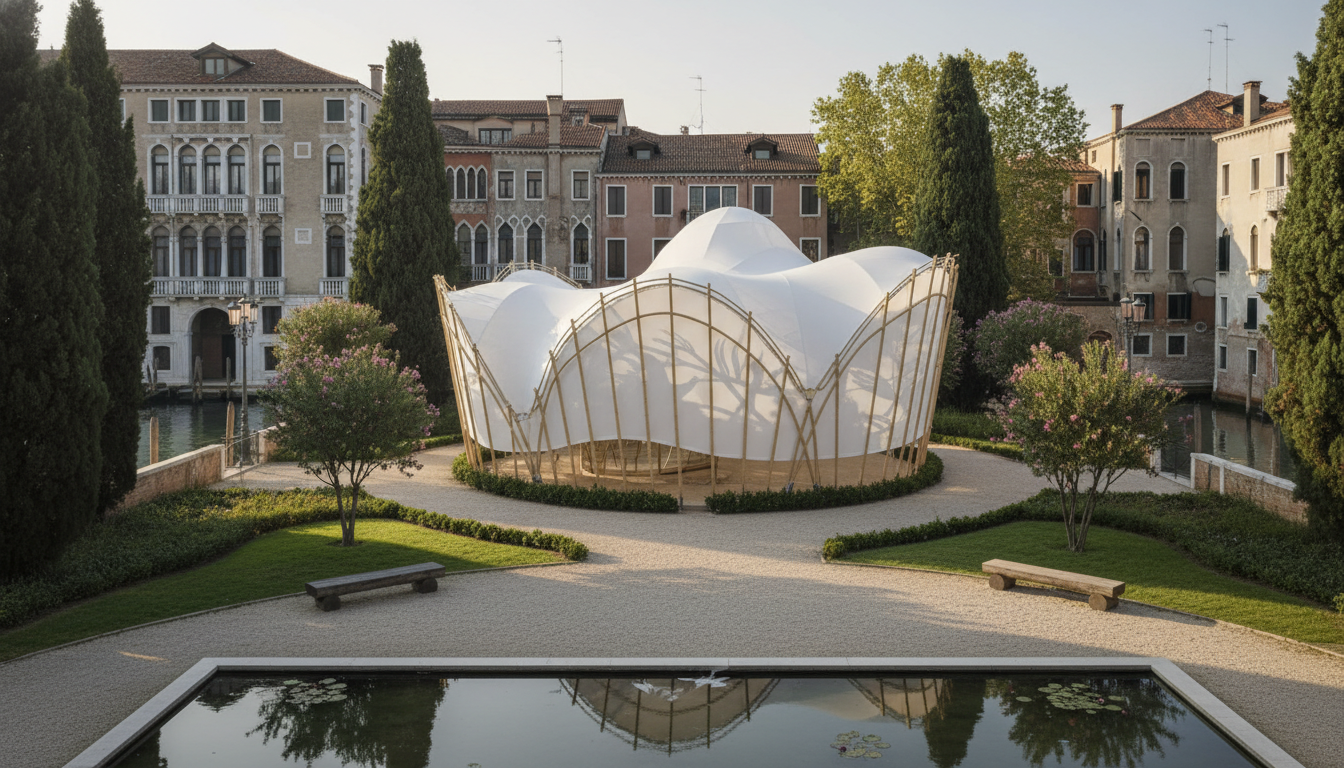
Rome and Venice cultural officials are treating the Holy See presence as a current pastoral project, not a ceremonial cameo. Curators say the pavilion is being positioned to speak to visitors moving between crowded rooms and quieter installations. In the first briefings circulating Today among church media, planners repeatedly connected the schedule to attentive listening and to contemporary anxieties about noise. The rolling Update from the communications team emphasizes that the commission is meant to be experienced slowly, with pauses that allow sound to register as meaning. Even the Live conversations around the site focus on how a pavilion can create room for prayer without turning the exhibition into a lecture.
Artistic Inspirations from St. Hildegard
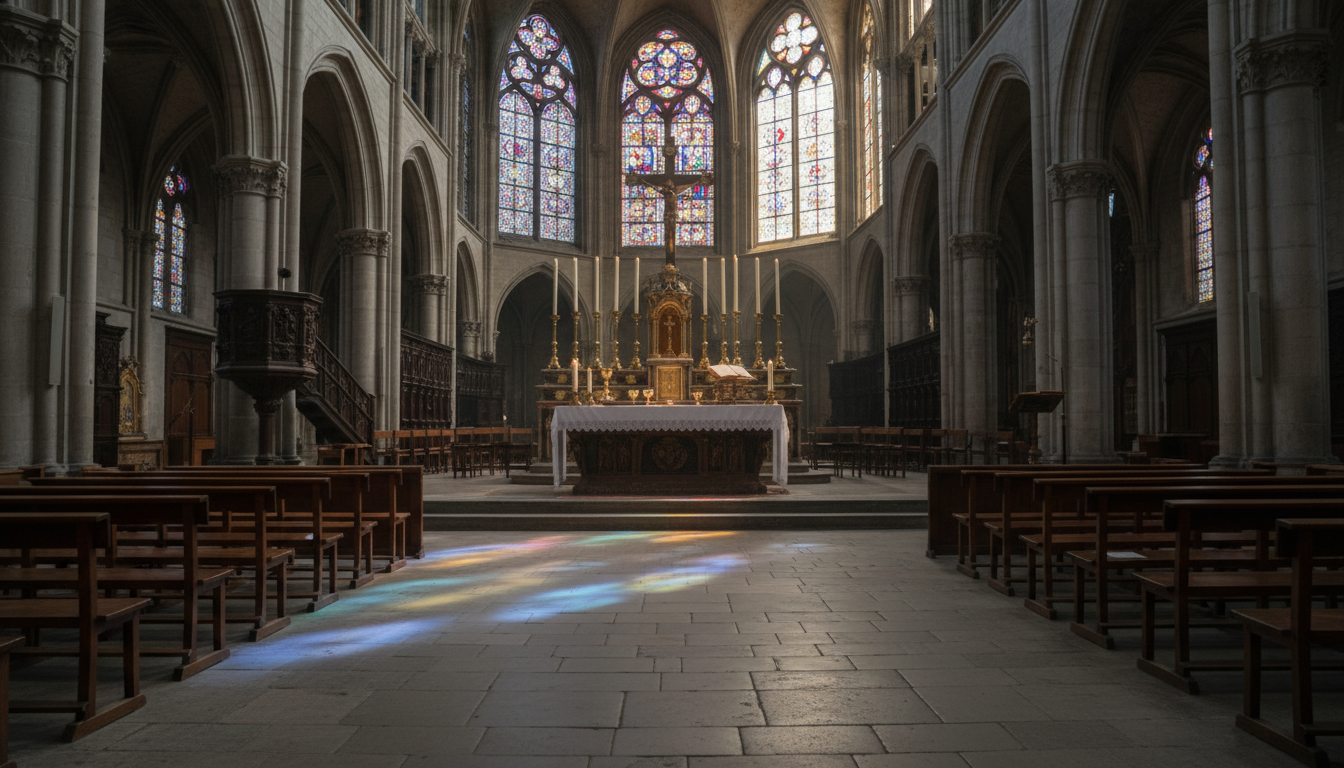
For the Holy See Pavilion, the immediate reference point is the Benedictine mystic Saint Hildegard of Bingen, whose writing on harmony and spiritual perception continues to shape the curatorial language. In a Live editorial framing, the organizers are describing the concept as a disciplined practice of attention rather than a spectacle. The central news hook for readers tracking Venice Biennale 2026 is the way this inspiration is being translated into the gallery experience through restraint and acoustic choices. A detailed account from Vatican News coverage of the Holy See Pavilion theme explains the theological line that links listening, silence, and interiority. Today, curators are also issuing an Update on how interpretive materials will be kept minimal to avoid crowding the work.
Exploring the Theme: The Ear as Eye
The theme is being tested on site as visitors move from louder national pavilions into spaces designed to slow the body down. The working line, “the ear is the eye to the soul,” is being treated as a curatorial instruction that privileges perception over explanation. In practical terms, the clearest marker for Venice Biennale 2026 is how the installation expects people to notice thresholds, footsteps, and distance between voices. As a parallel example of how attention economics can distort public conversation, a separate analysis at Bitcoin Shorts Put $1.4B at Risk of a Squeeze Now shows how volume can be mistaken for insight in financial media, a contrast staff referenced in Live discussions about cultural noise. Editors at Vatican Threads report on the pavilion and listening also note the effort to keep the message experiential, and the latest Update stresses that the architecture will guide listening without forcing a single interpretation.
Visitor Reactions and Expert Opinions
Early reactions recorded by church communicators focus less on novelty and more on relief at encountering a space that resists constant explanation. Museum educators working nearby told Vatican media that visitors tend to lower their voices once they realize the room is calibrated for subtle sound, a behavioral shift that functions like an informal liturgy. In Live walk throughs, art professionals have been weighing whether the project can hold attention without relying on heavy didactics. What seems to be landing Today is the coupling of art and silence with an explicitly ecclesial invitation to examine how people listen to one another. A continuing Update from the pavilion team highlights how docents are being trained to respond to questions briefly, then direct attention back to the sensory experience rather than to institutional branding.
Impact on Future Church Art Initiatives
Inside Vatican cultural offices in Rome, the pavilion is being treated as a template for commissioning that prioritizes hospitality and spiritual literacy over messaging campaigns. Officials have indicated in Today briefings that future church backed exhibitions will be evaluated by whether they create conditions for contemplation and credible dialogue with contemporary art. In internal Live conversations, curators have pointed to the project as a way to refresh how sacred patronage can operate in secular venues, with fewer slogans and more craft. The practical Update expected after the exhibition cycle is a set of guidelines on sound, pacing, and interpretive restraint that can travel to diocesan museums and university galleries. The most immediate consequence for Venice Biennale 2026 coverage is that the Holy See is signaling a long term commitment to commissioning as a pastoral act, not an occasional gesture.