



Pope Leo’s Vision for Diplomacy
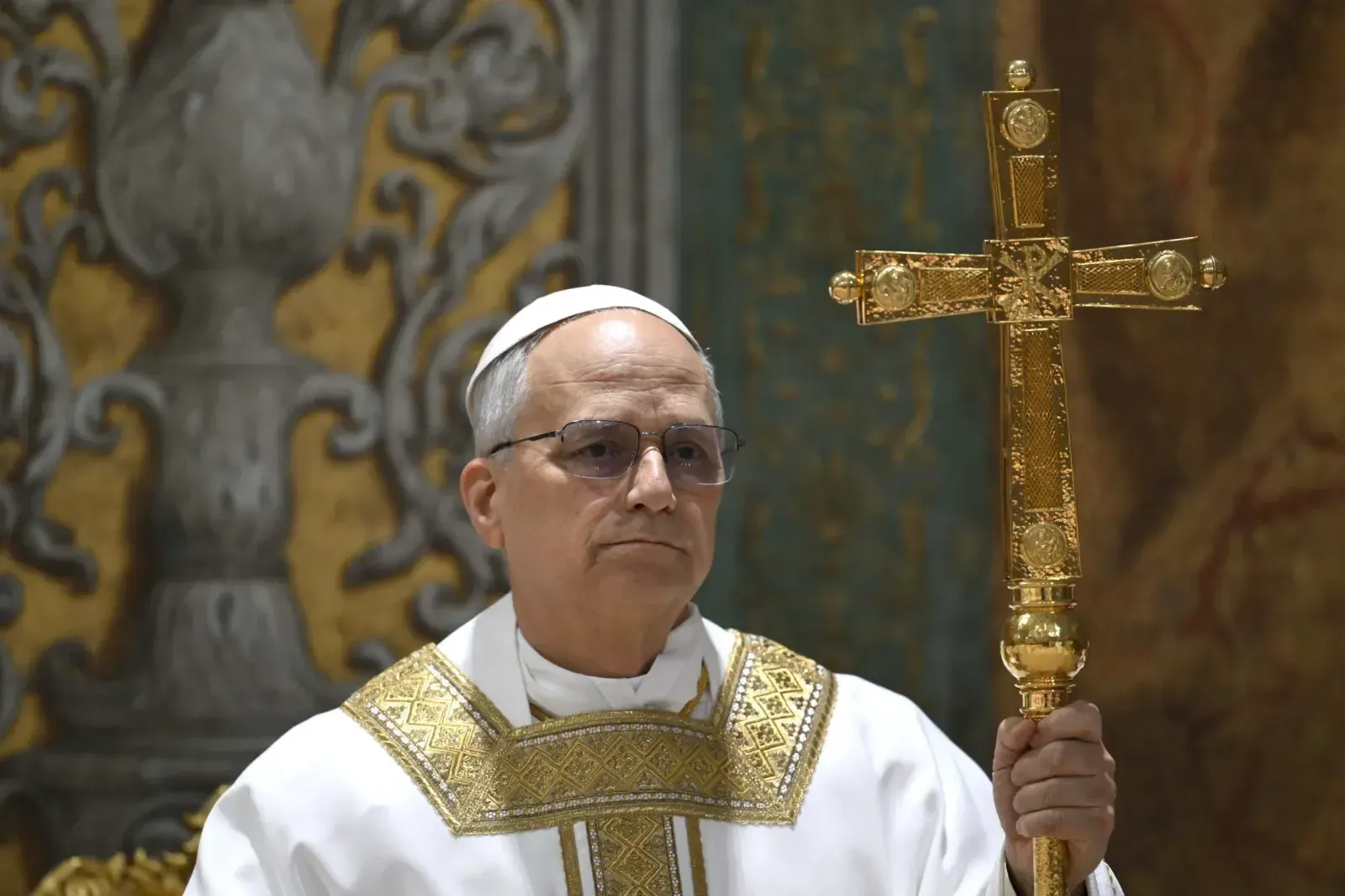
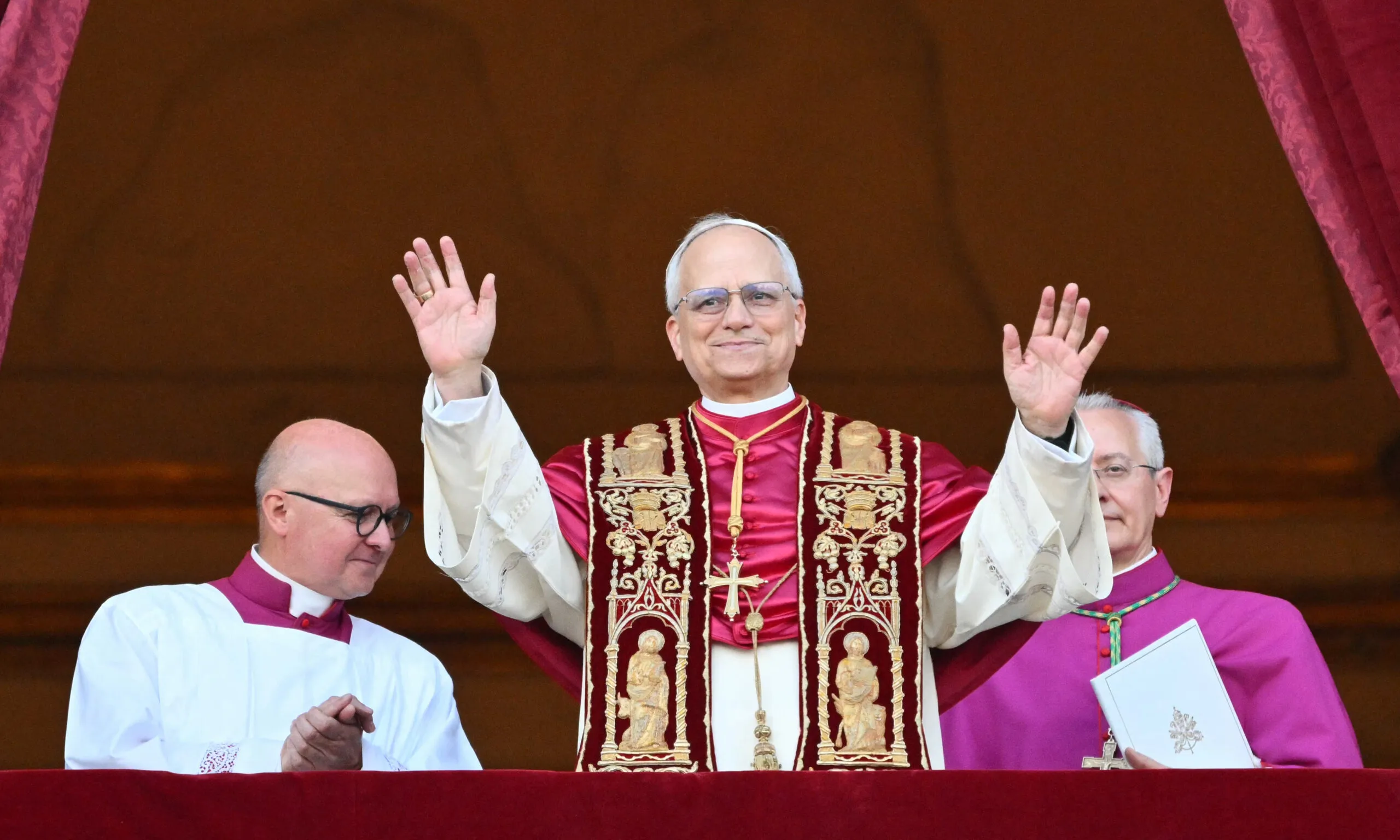
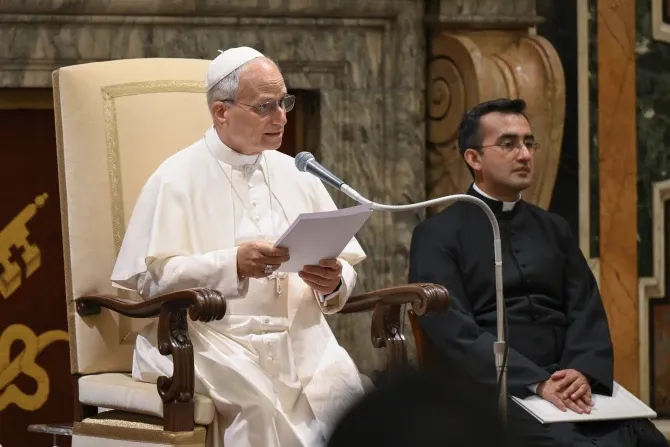
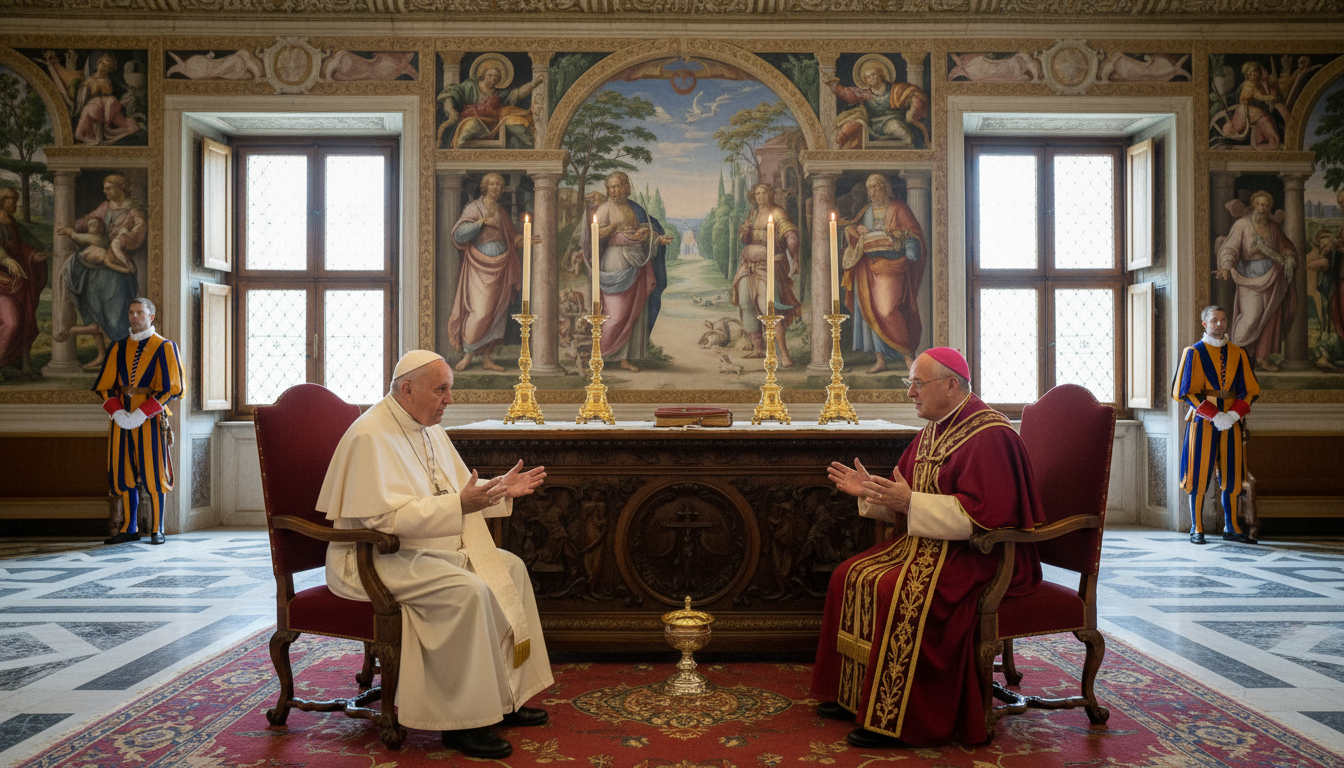
Pope Leo XIV used his visit to sharpen the Vatican’s diplomatic posture as conflicts and fragile transitions demand clearer moral language. In his remarks, he tied peace efforts to truth telling and practical justice, urging envoys to keep channels open without masking abuses. Midway through his address he described pontifical diplomacy as a disciplined craft that listens first, verifies facts, and then speaks with restraint. Today the Vatican press office framed the approach as service, not leverage, and Vatican observers treated the message as a Live signal to nunciatures handling humanitarian access talks. The visit also offered an Update on priorities: protect civilians, defend conscience rights, and reduce escalatory rhetoric.
Historical Role of Pontifical Diplomats
Behind the ceremony was a reminder that Holy See envoys function as bridge builders, often working where formal ties are thin or broken. The Vatican’s diplomatic school tradition, commonly associated with the Pontifical Ecclesiastical Academy, has long trained officials to track local church pressures alongside state interests. In a Live environment of shifting alliances, the Vatican’s communications offices often emphasize discreet verification and continuity, and Vatican News has highlighted recent examples of ecclesial recognition and governance, as seen in Pope grants ecclesiastical communion to Chaldean Patriarch. A related Vatican News account on Pope Leo XIV granting communion to the Chaldean Patriarch provides contemporary context for how Rome links unity with engagement. Today, that linkage is again central to diplomatic credibility.
Current Diplomatic Challenges
Officials close to the Holy See’s diplomatic network describe a tougher operating map: contested borders, sanctions regimes, and information warfare that distorts mediation efforts. The Pope’s aides have stressed that verified reporting, secure humanitarian corridors, and the protection of worship sites are being handled simultaneously, not sequentially. In that setting, pontifical diplomacy is presented as a method for reducing harm while refusing to trade truth for access, and Vatican communications have treated this as an ongoing Update rather than a single event, as seen in Charles and Camilla visit US amid diplomacy push. Live constraints also include visa bottlenecks, detained clergy cases, and pressure on Catholic aid partners.
Pontifical Academy’s Legacy
The legacy of the pontifical training system is being tested by crises that require both moral clarity and administrative competence. Church diplomats increasingly coordinate with humanitarian agencies, episcopal conferences, and local religious leaders to keep schools, clinics, and shelters operating amid insecurity. Vatican-linked reporting on war relief has underscored that the Holy See’s stance is expressed not only in statements but also in logistics and advocacy, as detailed in Pope Sends New Humanitarian Aid Convoy to Lebanon and Ukraine Amid Ongoing War Crises. A recent internal account of aid shipments illustrates the operational side. Today, that model is treated as an Update to classical diplomacy, integrating pastoral needs with professional negotiation. Live coordination demands tighter security, clearer compliance checks, and faster fact validation.
Impact on Global Catholic Community
The immediate impact is being felt in dioceses that depend on Rome to keep dialogue open when local politics harden. Bishops and Catholic relief leaders say the Pope’s emphasis on peace, truth, and justice gives them language to negotiate access and defend vulnerable groups without endorsing factions. Vatican briefings have described the visit as reinforcing a single line: engagement is not neutrality toward wrongdoing, and public statements must be anchored in verifiable accounts. In parishes following events Live, the message is being translated into prayer initiatives and local advocacy for displaced families, while communications teams push an Update cadence that avoids rumor cycles. Today, the community effect is also practical, better coordination between nunciatures and aid networks, and steadier support for threatened minorities.