
Archbishop’s Condemnation of Violence
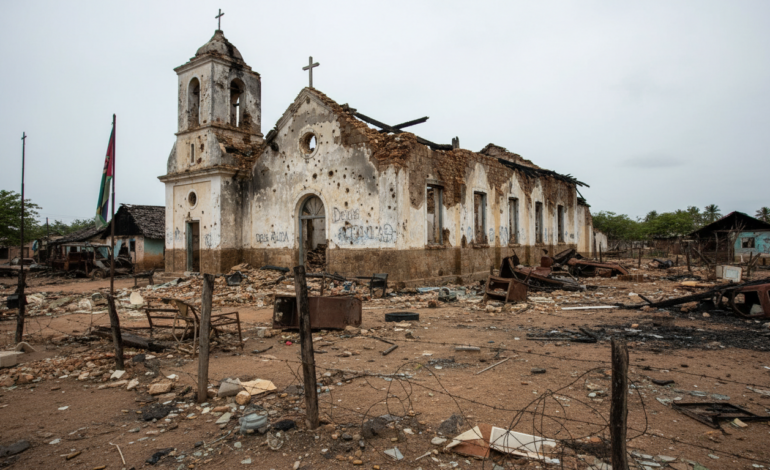
Archbishop Inacio Saure spoke out after armed assailants struck a Catholic mission in Cabo Delgado, calling the assault a direct attack on human dignity. In remarks relayed by the Archdiocese of Nampula, he said the violence targets people already carrying the weight of displacement and fear. He framed the Mozambique Catholic mission attack as a moral outrage that cannot be normalized in public life, and urged authorities to protect civilians and faith workers. Today, church coordinators said pastoral teams are continuing basic services despite heightened insecurity. Live conditions on the ground remain volatile, and an Update from diocesan staff described interrupted travel routes and heightened anxiety among catechists.
Details of the Attack in Cabo Delgado
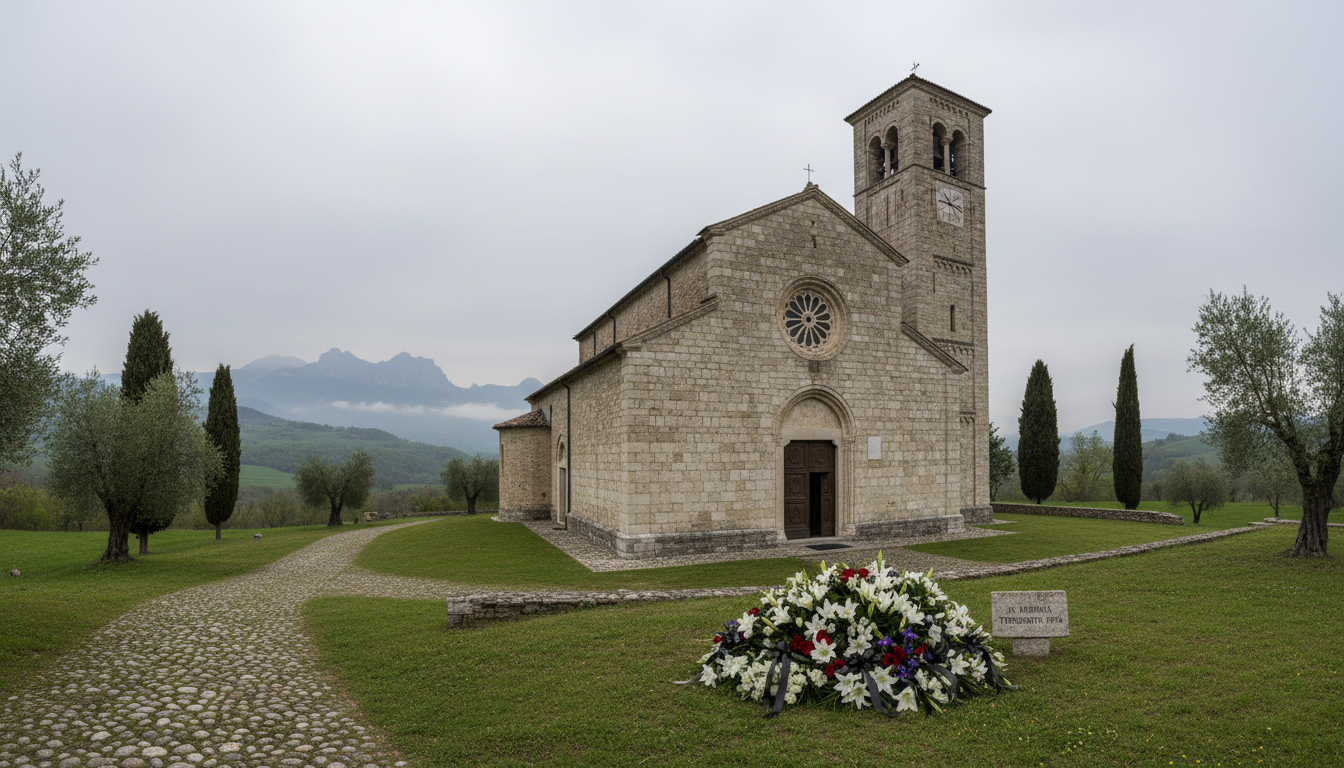
Diocesan officials said the incident involved an armed raid on a mission site serving nearby communities in Cabo Delgado, with property damage and threats that forced staff to prioritize evacuation and safeguarding records. A statement shared by the local church said no verified casualty figures were released, and clergy asked media outlets to avoid circulating unconfirmed numbers. Live coverage of the wider crisis has highlighted repeated attacks on civilians, and the BBC has tracked regional security pressures in its reporting on conflicts and displacement, including analysis at BBC coverage of regional diplomatic tensions, while parish contacts described disrupted routines. Today, an Update from parish contacts described interrupted Mass schedules and restricted movement for volunteers. Officials said police were notified and risk assessments were revised for mission travel.
Impact on the Local Catholic Community
Parish leaders said the immediate impact has been the suspension of some outreach visits, particularly to families who rely on the mission for emergency food coordination and referrals to shelters. The Mozambique Catholic mission attack has also disrupted catechesis and trauma support sessions that had resumed in recent months, according to a diocesan briefing circulated to clergy. Live communication channels among parishes were used to locate vulnerable households and confirm which chapels could safely open. In a related context on how faith institutions manage crises, readers have followed rapid-response communications in other beats, including Israeli Strikes in Lebanon Test Fragile Ceasefire, as lay coordinators compared basic safeguarding steps. Today, an Update from lay coordinators said some families are choosing to sleep in groups for safety while awaiting clearer guidance from local officials.
Call for Peaceful Coexistence
In his appeal, Archbishop Inacio Saure urged community leaders and security actors to protect spaces where civilians gather, including chapels, schools, and aid distribution points. He stressed that religious violence corrodes trust between neighbors and makes reconciliation harder after each shock. Clergy said the message was shared across parish networks so that mediators could reinforce nonretaliation commitments and keep dialogue open with local leaders. For wider Church guidance on public speech and moral responsibility, Vatican observers point to themes echoed in Pope Leo XIV urges truth in charity across Church, which parish briefings discussed alongside local safeguarding reminders. Live parish briefings emphasized safeguarding protocols for youth groups and transport for elderly congregants. Today, an Update from diocesan offices said counseling referrals are being expanded, with priests asked to document threats through secure channels.
International Response and Support
Church officials said international partners have been contacted to support emergency repairs and temporary relocation costs, while diocesan leadership evaluates whether additional missions need reinforced security. The archbishop asked donors to prioritize assistance that keeps children in school and maintains basic health referrals, describing those services as stabilizing anchors during unrest. Live coordination with humanitarian contacts has focused on logistics rather than publicity, diocesan staff said, to reduce risks to volunteers. Today, an Update from the archdiocese noted that any public fundraising would be announced only after local security consultations, and that verified information would be shared through official diocesan channels. Leaders also reiterated that accountability for attacks on religious sites should proceed through lawful investigations, with evidence preserved and witnesses protected.