

Pope Leo’s Message on Faith
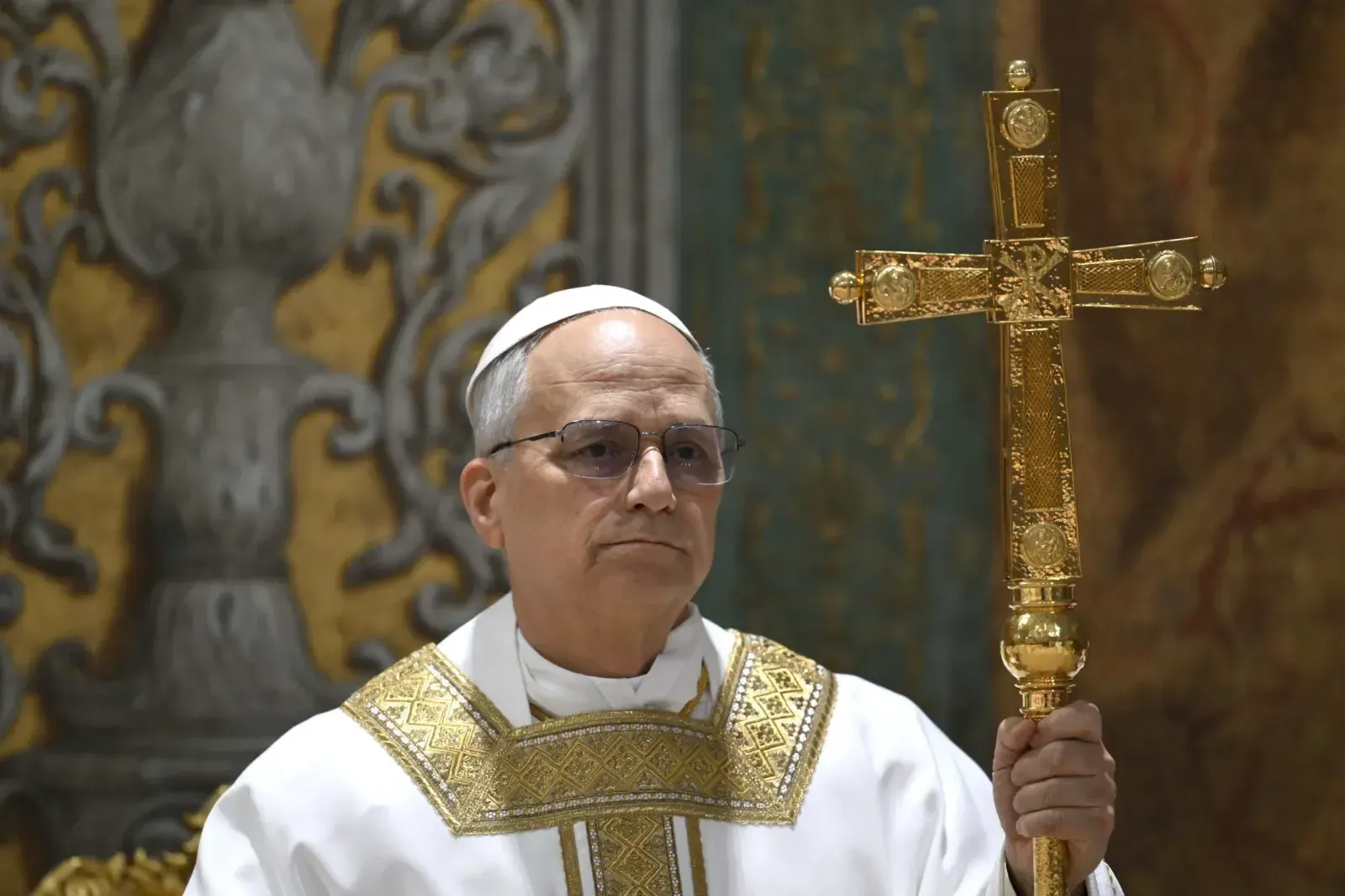
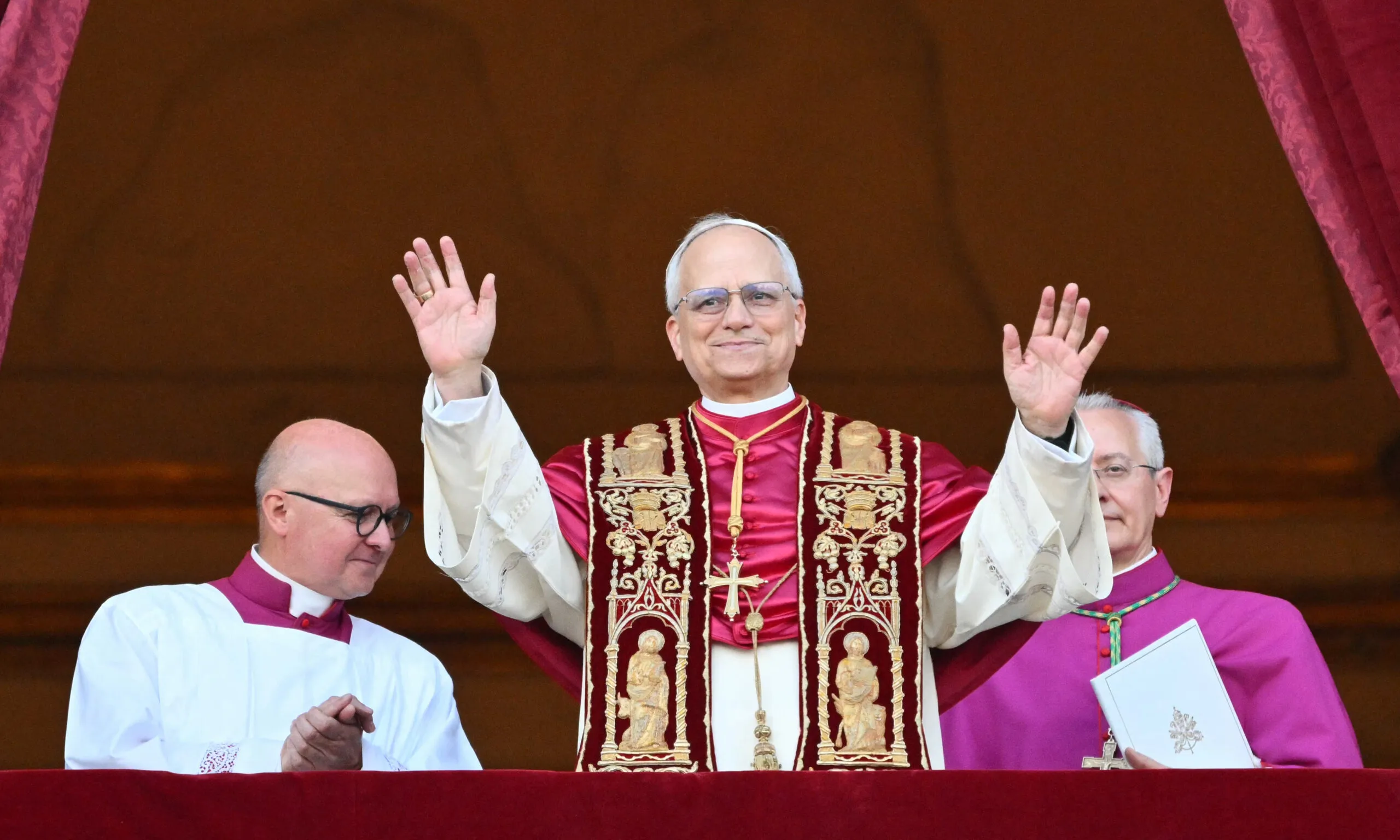
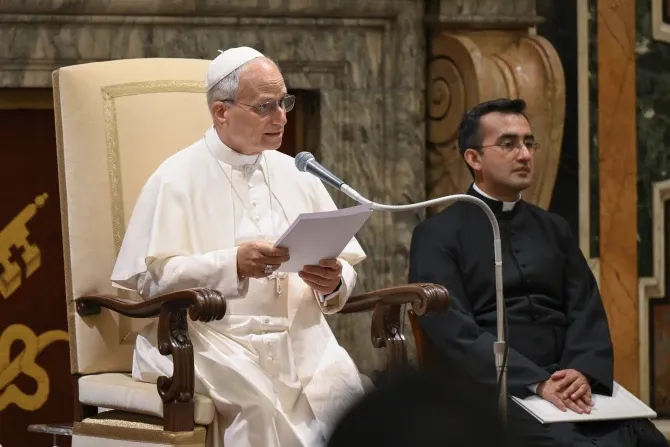
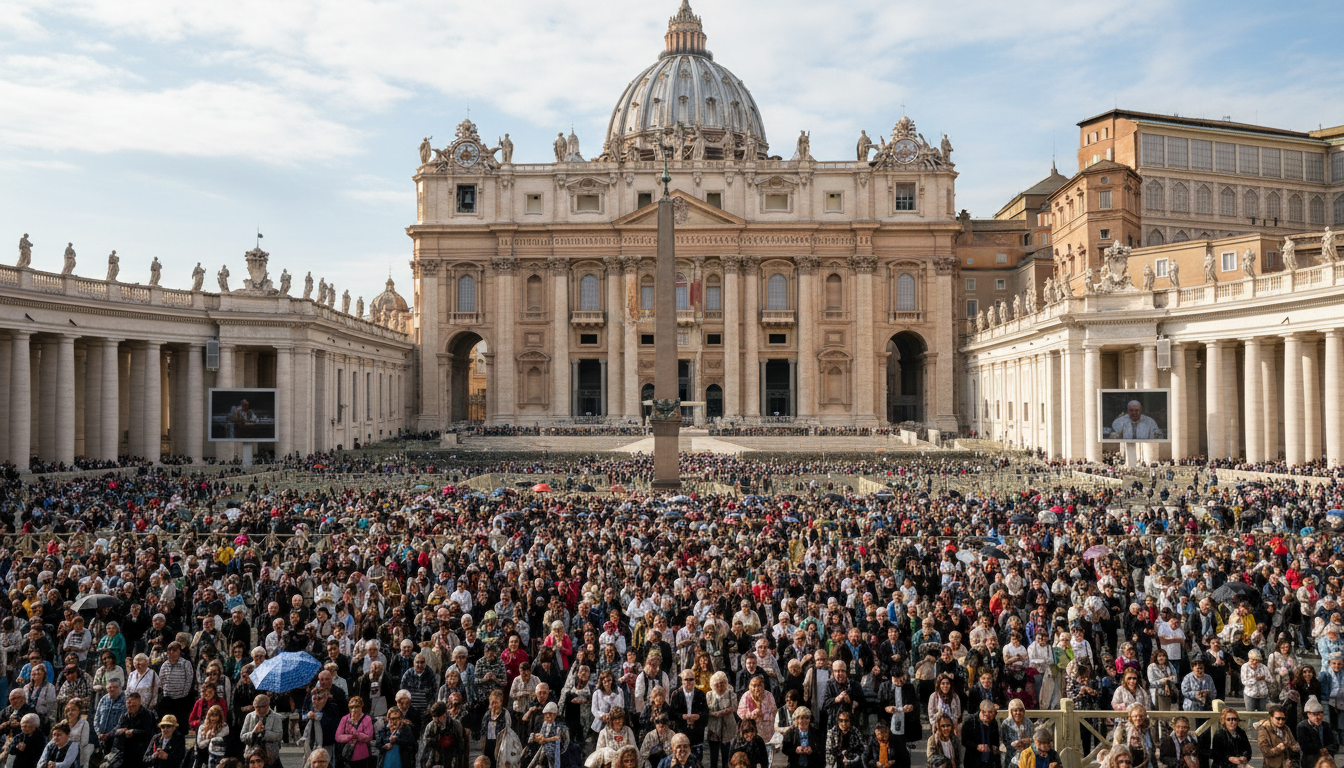
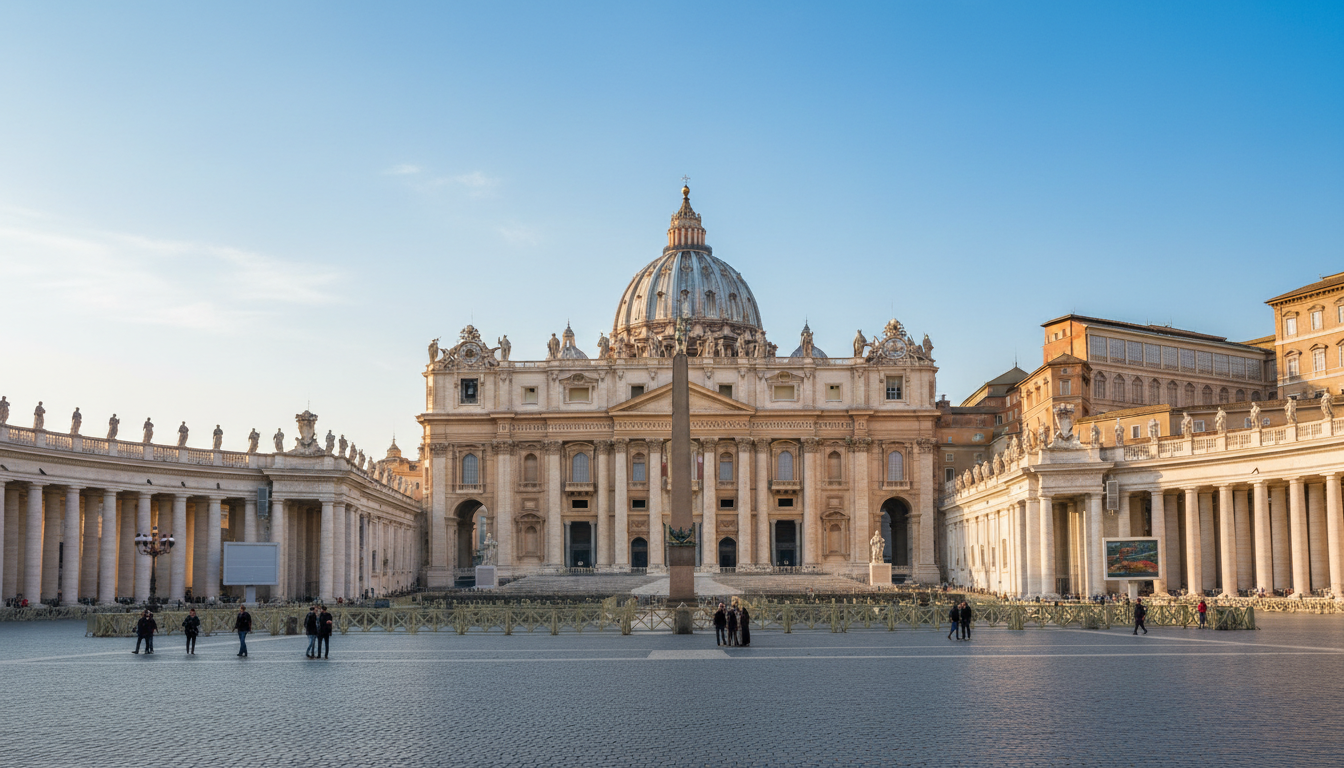
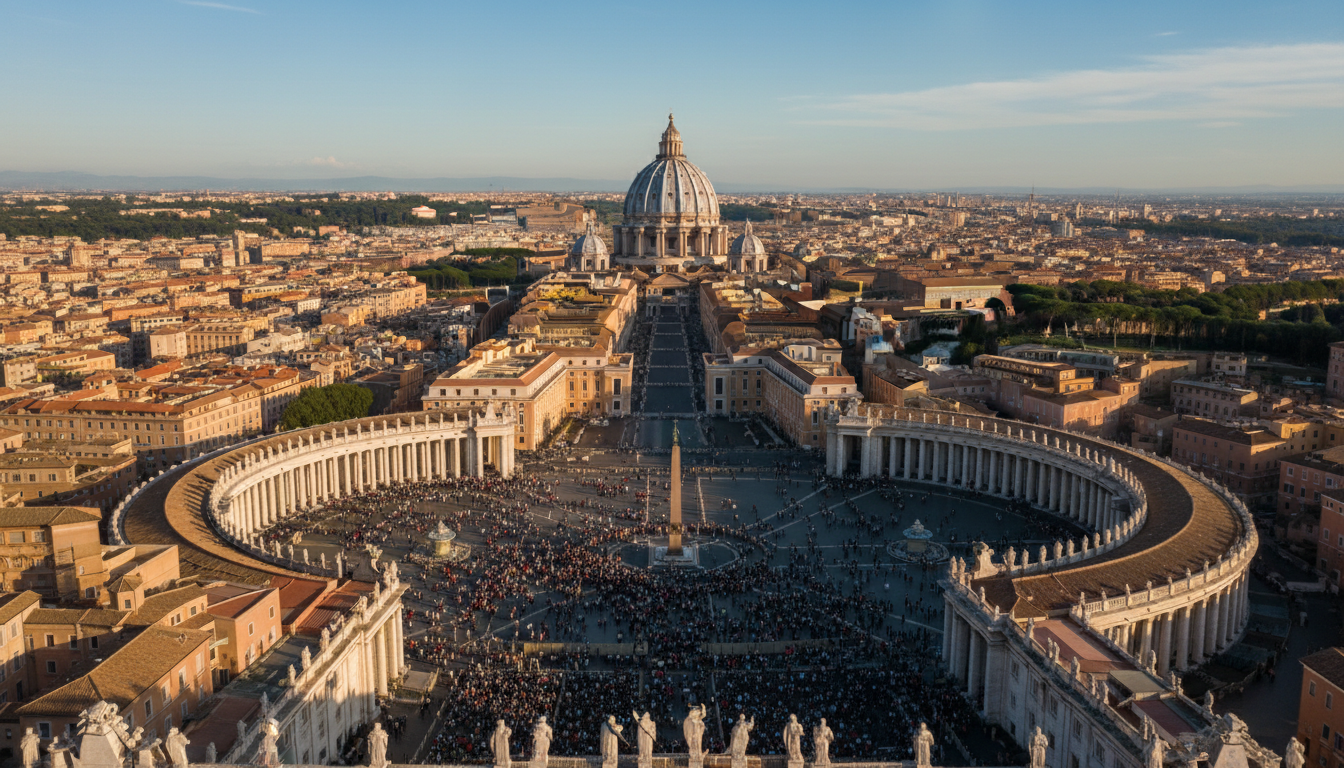
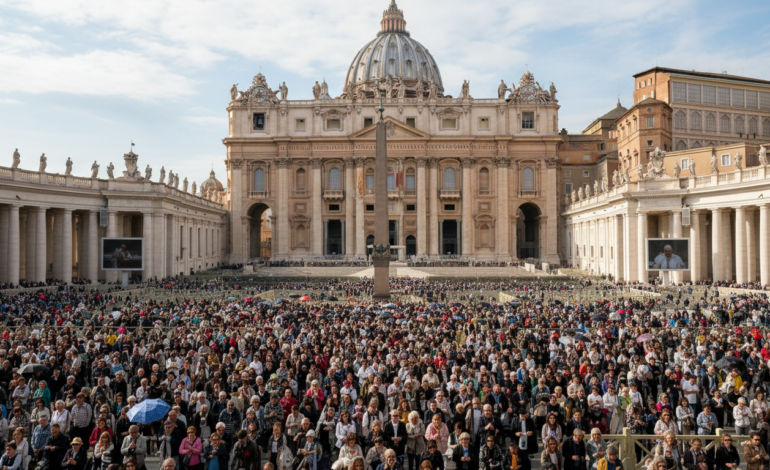
Pope Leo addressed the faithful in Rome with a pointed call to translate belief into recognizable choices. Today, he framed Christian hope as an active posture that shapes decisions about work, family obligations, and public responsibility during Regina Caeli. In his remarks, the Regina Caeli message emphasized that heaven is not a distant idea but a horizon that can be practiced through mercy and truth telling. Live reaction among pilgrims centered on the Pope’s insistence that holiness begins in ordinary commitments rather than dramatic gestures. The Vatican’s own published text identified faith as the lens that clarifies suffering without romanticizing it. Update coverage from Vatican media highlighted the Pope’s stress on patience, and on refusing cynicism as a default posture.
Significance of Regina Caeli
The Vatican’s liturgical schedule places this prayer in the Easter season, and the setting gave Pope Leo a clear frame for speaking about joy without denial. Today, the Regina Caeli moment was treated as a pastoral intervention aimed at believers following Church affairs in real time. A related Vatican News briefing on current papal appointments and meetings, as detailed in Vatican News on Pope Leo XIV meeting Marco Rubio, offered additional context about the Pope’s calendar and priorities in the same news cycle. Live coverage also underscored that the prayer functions as a public catechesis, not only a devotional pause. Update items from the Holy See press system clarified the location and timing for the address, anchoring the message in the Church’s rhythm.
Fraternity and Peace as a Calling
Pope Leo tied fraternity to concrete social duties, arguing that peace is built by disciplined habits, not slogans. Today, he warned against treating opponents as permanent enemies, and he described reconciliation as a demanding form of courage. Live notes from Vatican journalists stressed that the Pope presented fraternity as a test of credibility for believers in civic life, where disagreement can easily become contempt. Update reporting from other news desks linked these themes to broader debates about polarization, including a recent analysis titled Troop cuts in Germany raise NATO diplomatic risks, which illustrates how fragile trust can be in public institutions. The Pope’s language stayed theological, but it clearly aimed at social repair. He avoided partisan cues and instead pointed to shared dignity as the starting place for public peace.
How Faith Alleviates Anxiety
Without minimizing hardship, Pope Leo spoke of anxiety as a pressure that can be redirected through prayer and steady moral action. Today, he described fear as contagious in communities that consume constant crisis headlines, and he urged people to build interior silence that supports clear judgment. Live pastoral guidance emphasized listening, confession, and tangible service as pathways that interrupt spirals of worry. Update follow up reporting on the Pope’s charitable focus echoed that direction, including the way Vatican News has presented care for the poor as central to Christian identity, as highlighted in Pope Leo XIV Praises Papal Foundation Giving. The Pope’s approach was practical: treat faith as training for attention, not as an escape from responsibility.
The Role of the Church in Promoting Peace
The Pope’s address also sharpened expectations for Church leadership, calling dioceses and parish networks to act as credible brokers of reconciliation. Today, he positioned the Church as a moral witness that must keep its language consistent with its service, especially when conflicts harden and communication breaks down. Live observers noted that he spoke more about patient accompaniment than about grand diplomatic theatrics, with an emphasis on forming consciences and supporting families under strain. Update commentary from Vatican correspondents described the Church’s peace work as both local and universal, ranging from small scale mediation to public appeals for nonviolence. The core standard he set was accountability: peace must be preached, but it must also be practiced through transparent charity, honest speech, and protection of the vulnerable in every community.