
Pope Addresses Friuli Earthquake’s Impact
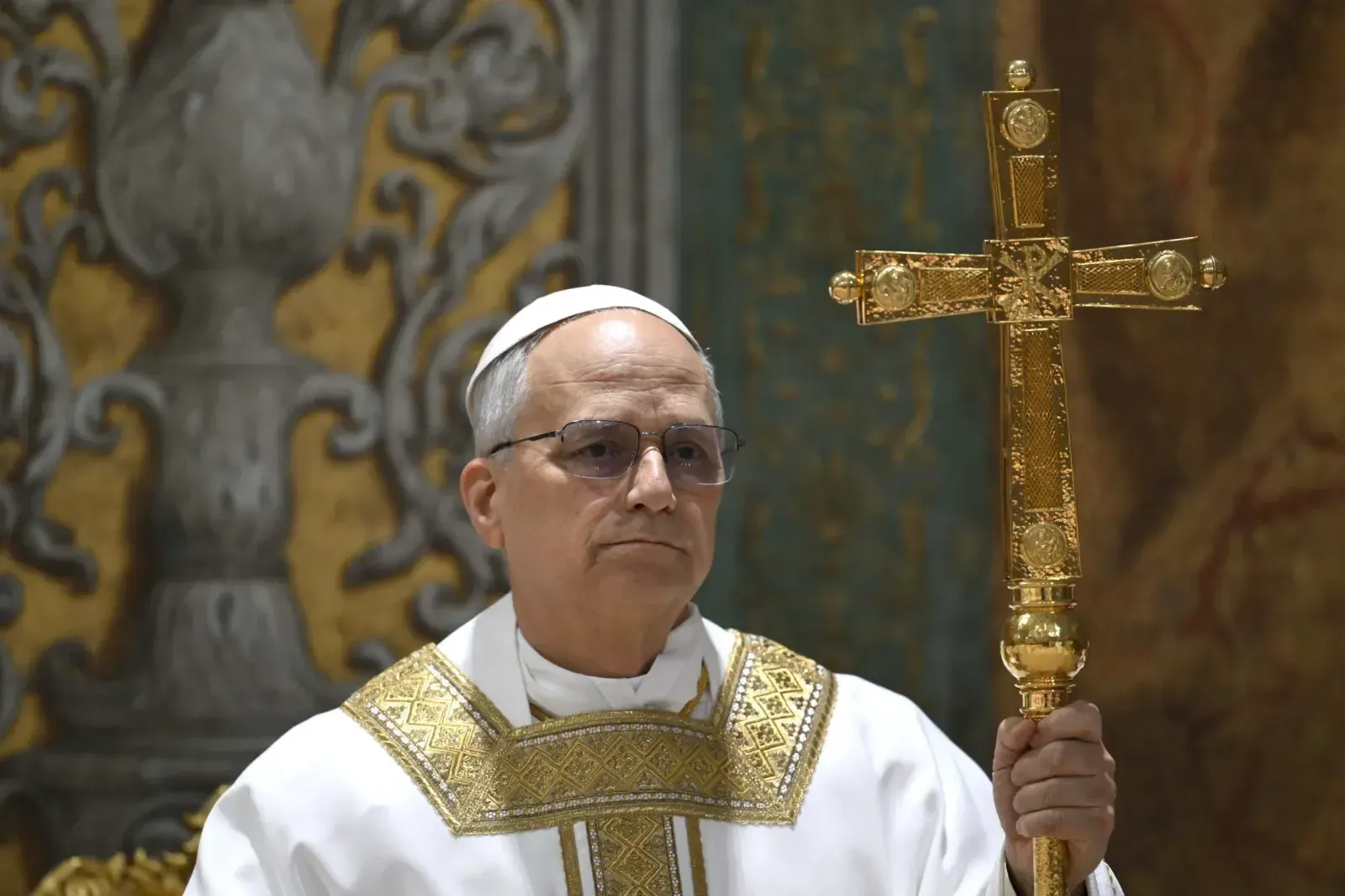
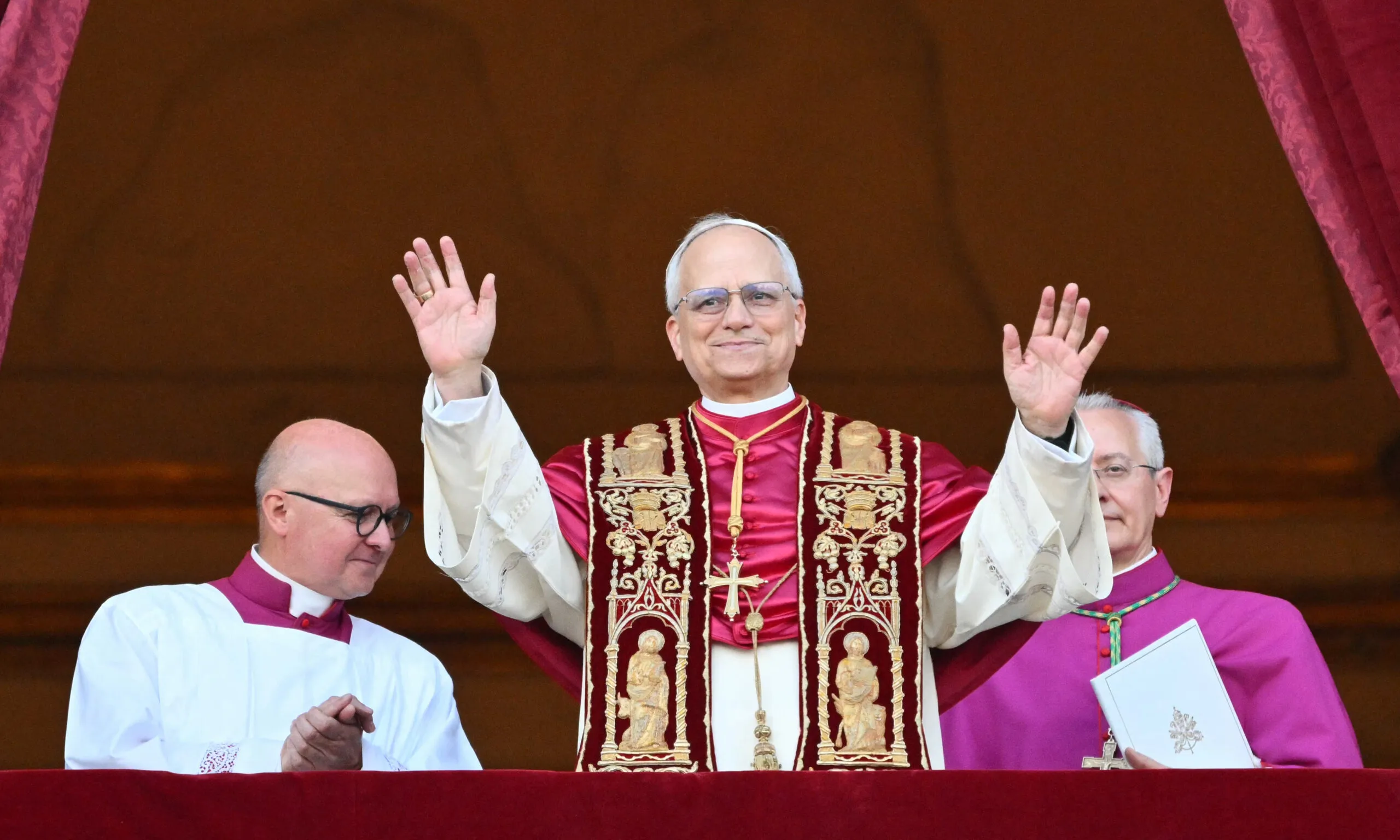
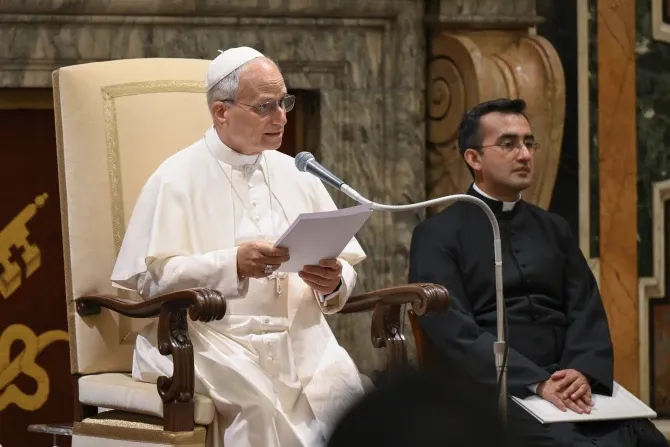
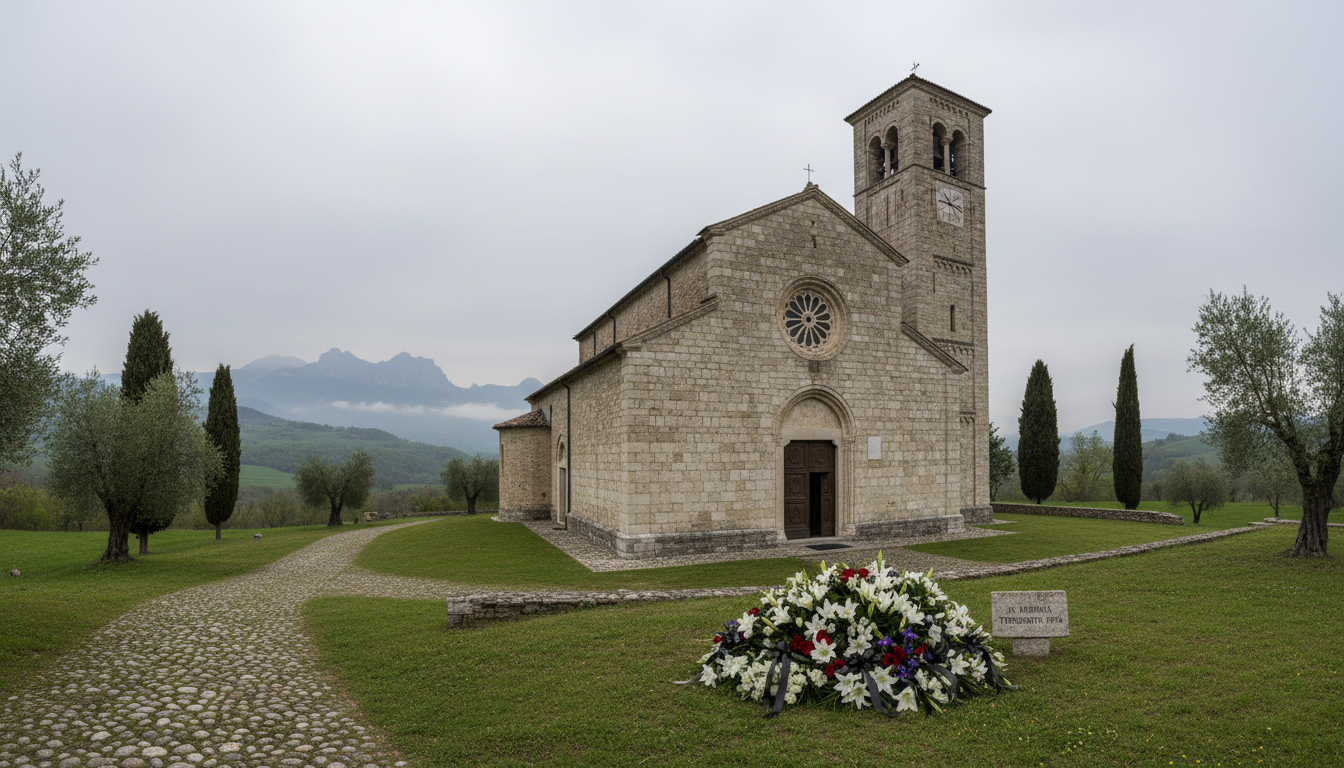
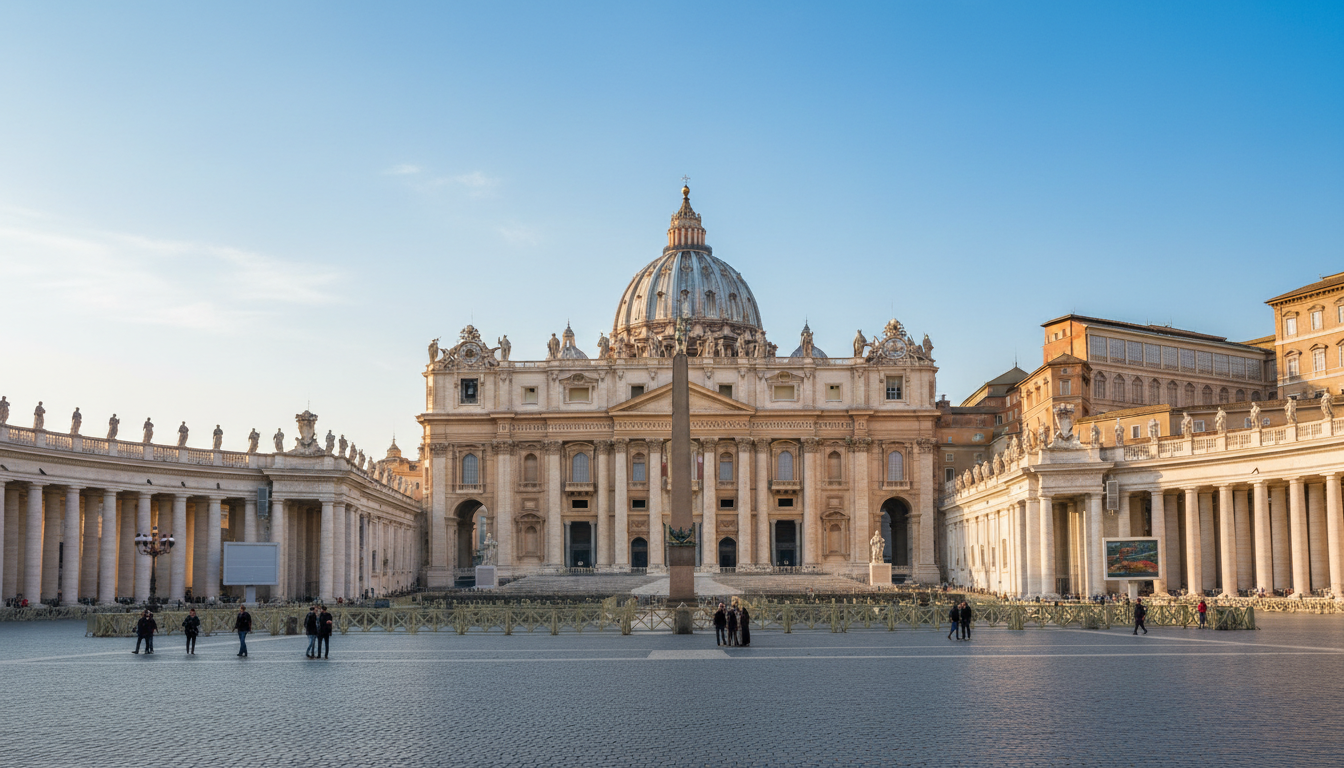
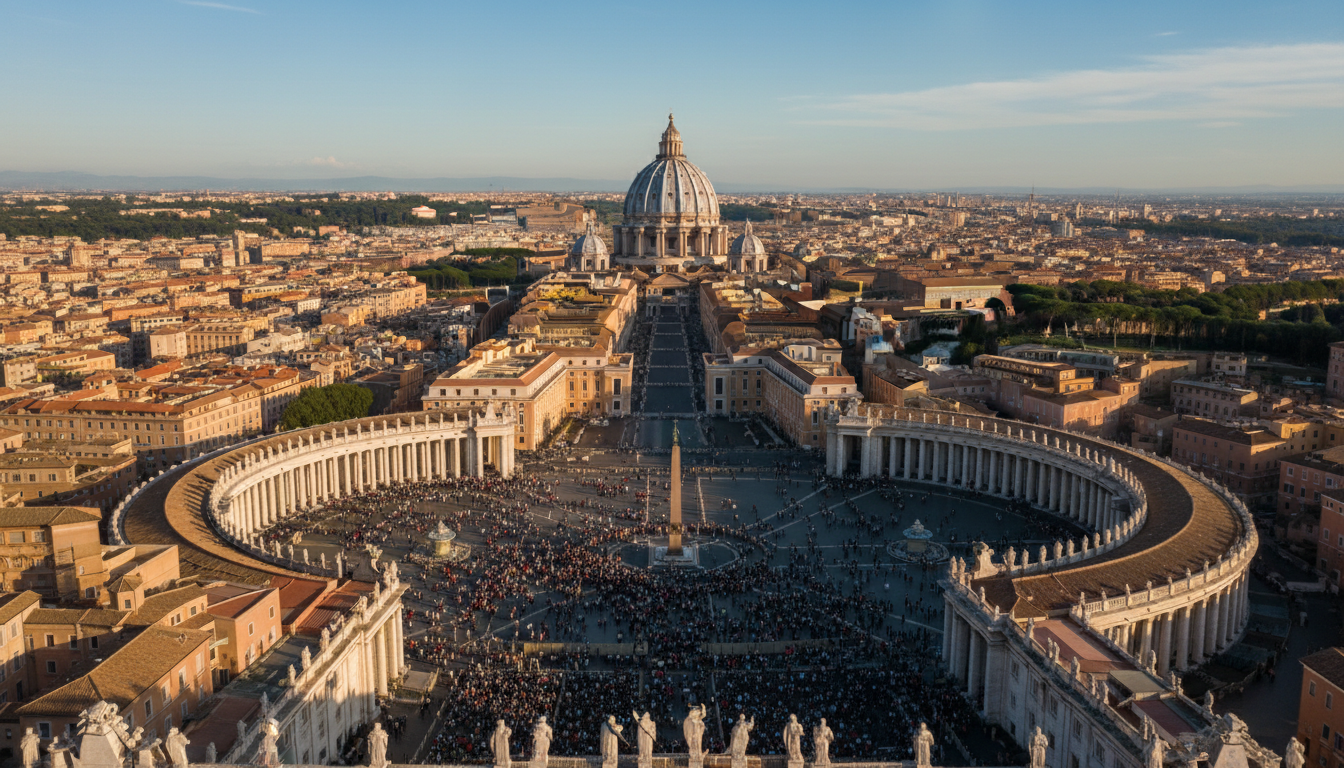
Pope Leo spoke in Rome as commemorations continued across northeastern Italy, linking prayer to practical solidarity for families still marked by loss. In remarks summarized by Vatican News, he framed the anniversary as a test of collective memory and civic duty rather than a ceremonial date. He recalled how the Friuli earthquake reshaped towns and parishes, and he urged Catholics to keep attention on survivors as well as those who died. Today local dioceses are coordinating memorial Masses with municipal services, and the Pope asked that the day support rebuilding culture, not only remembrance. Live coverage from church media focused on the names of communities affected and on continuing support networks.
Message of Fraternity and Charity
The Vatican message emphasized fraternity and charity as measurable commitments, including care for the poor and accompaniment for the displaced after emergencies. The Pope connected this language to current church partnerships that mobilize food, counseling, and shelter when crises strike. In a related Vatican News interview on Catholic Charities, the Holy See highlighted service capacity and strain in modern relief work, and readers can consult the Catholic Charities USA interview for context on how such networks operate. Today diocesan officials in the region said commemorations are also a fundraising moment for families facing long term needs. Live statements from parish organizers stressed transparent accounting and community oversight, and each Update is being shared through local channels.
Historical Context of the Friuli Earthquake
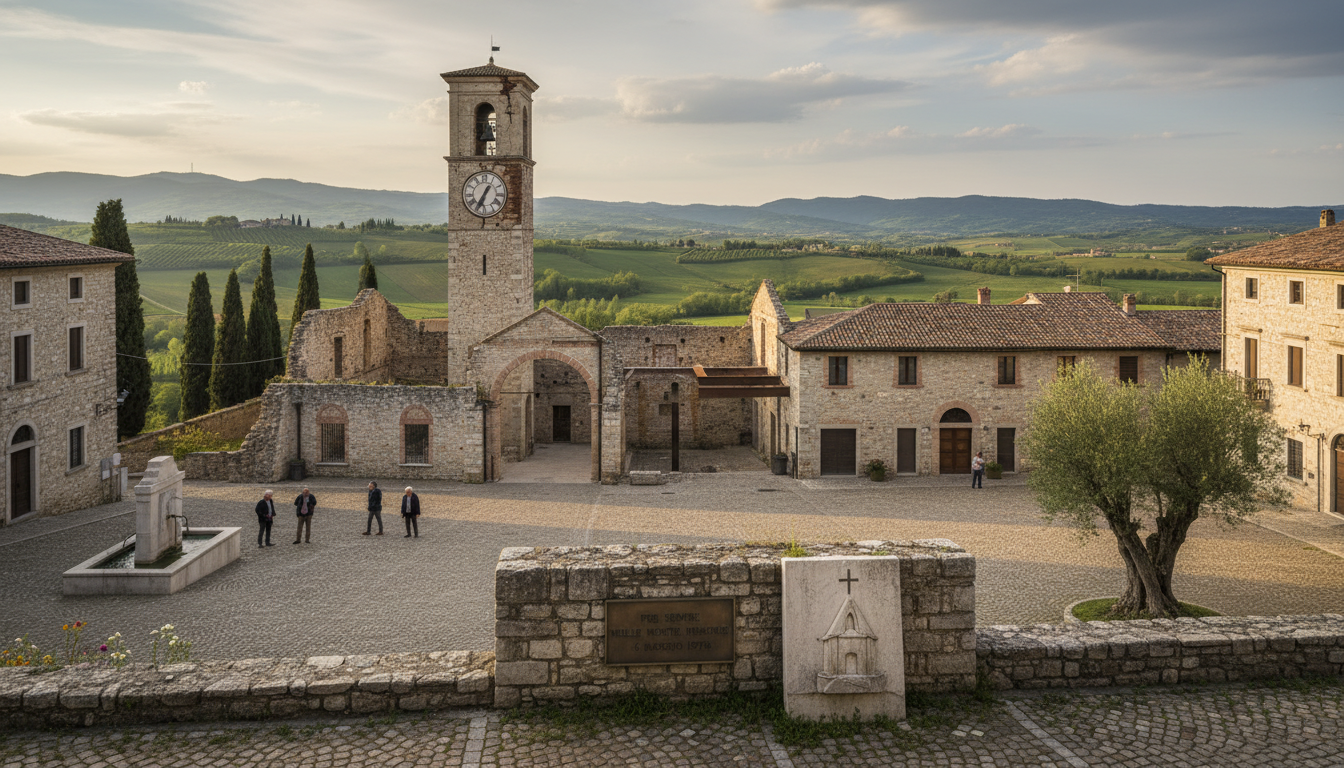
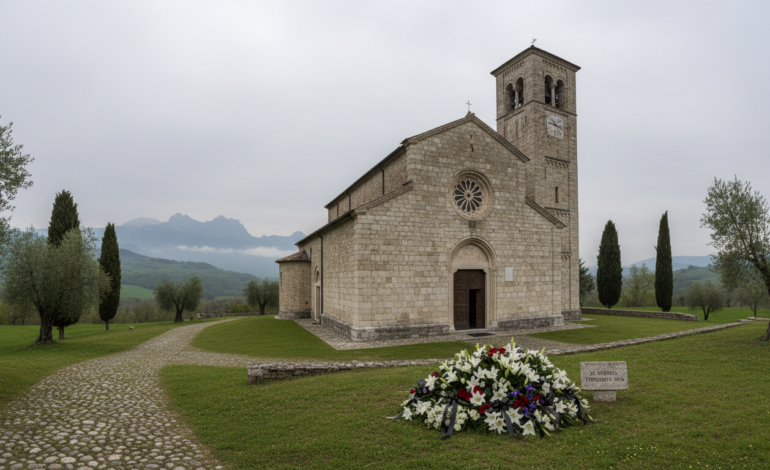
Commemorations this week returned to the basic record of what occurred in 1976, and organizers cited Italy’s Civil Protection history pages and regional archives for casualty and damage figures rather than informal tallies. The Pope’s staff kept the focus on human consequences and the rebuilding model that followed, which is often referenced by Italian officials as a benchmark for community led recovery. An Update circulated by diocesan media referenced the way parish halls became immediate aid points, and the Friuli earthquake was presented as a reason to keep emergency plans current in every town. A separate, unrelated Portal story was also trending in Italian news feeds, including Troop cuts in Germany raise NATO diplomatic risks, showing how audiences move between remembrance and daily geopolitics. Today church leaders asked that Live attention not drift from local needs.
Lessons from the Past for Future Resilience
In the Vatican’s framing, remembrance is meant to drive preparedness, and Pope Leo pointed to resilience as a moral and administrative responsibility shared by institutions and neighbors. He referenced how churches and civic groups can coordinate without duplication, especially when roads, clinics, and communications fail. Vatican News recently quoted him on social service as integral to Christian life, and the details are available in Care for poor integral part of Christian life. Today local planners are using the anniversary to run drills and review shelter inventories, with Live briefings for volunteers and parish teams. A practical Update from our archive on the commemoration appears in Pope Leo Marks Friuli Quake Victims, 50 Years, summarizing the Vatican’s guidance for communities.
Reflecting on Natural Disaster Victims Worldwide
The Pope widened the lens beyond Italy, asking Catholics to hold all disaster victims in prayer and to turn that prayer into consistent aid. He avoided abstract comparisons, instead naming the pattern of vulnerability that appears when poverty, isolation, or conflict makes recovery harder, as Vatican communicators noted in Rome. Church officials noted that anniversaries can generate durable support if donors and volunteers commit to multi year engagement rather than one time gestures. Today Vatican communicators said the aim is to keep attention on families still rebuilding livelihoods, including those far from the headlines. Live pastoral outreach, they said, should be paired with professional safeguarding and credible partner vetting. Each Update shared by dioceses is intended to direct people toward verified assistance channels and to maintain respect for those who carry trauma long after the cameras leave.