Synod Reports Call for Deeper Discernment and Wider Consultation in Selection of Bishops
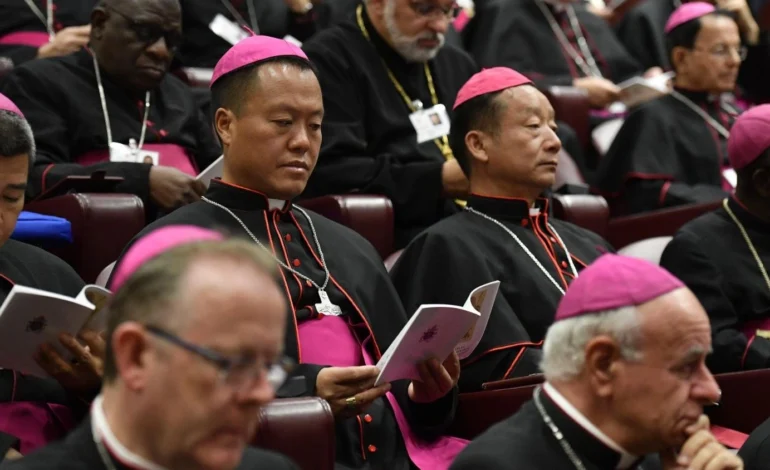

The General Secretariat of the Synod has released key sections of two major final reports that address the future of episcopal selection and the Church’s approach to complex theological and pastoral discernment. The documents, produced by Study Group No. 7 and Study Group No. 9, highlight a renewed emphasis on synodality as a guiding principle in identifying and forming bishops, while also outlining methods for engaging emerging doctrinal and ethical challenges within the life of the Church. The publication marks an important step in ongoing reforms aimed at strengthening participation and shared responsibility in ecclesial governance.
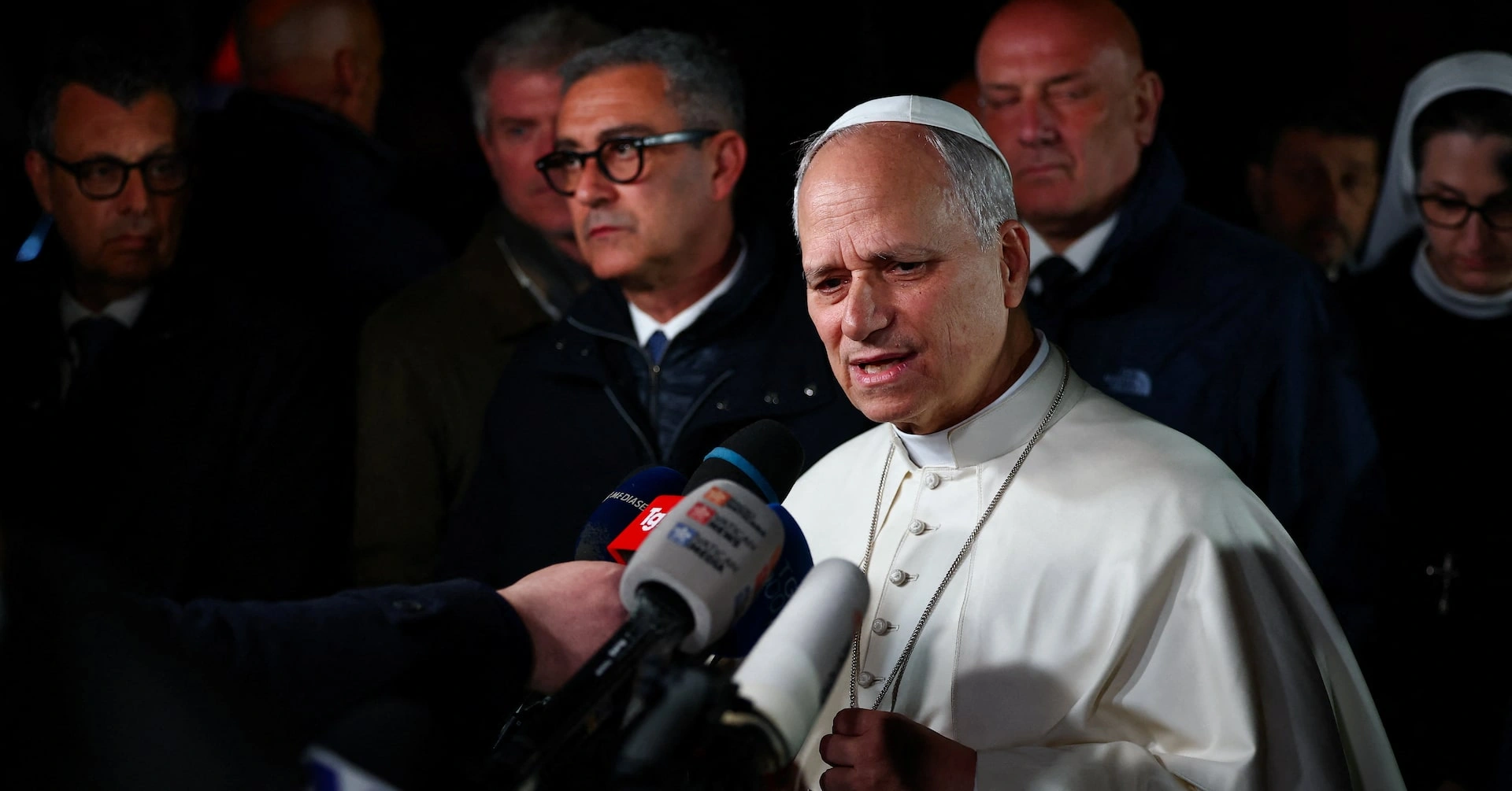
According to Cardinal Mario Grech, Secretary General of the Synod of Bishops, the reports reaffirm that discernment remains central to the selection of bishops, underscoring that the role cannot be reduced to administrative appointment alone. The guiding principle expressed throughout the document is that there is no shepherd without a flock, and no flock without a shepherd, a theological reminder that episcopal ministry is rooted in relationship, service, and communion with the people of God. This vision places spiritual discernment at the heart of the process, rather than purely institutional criteria.
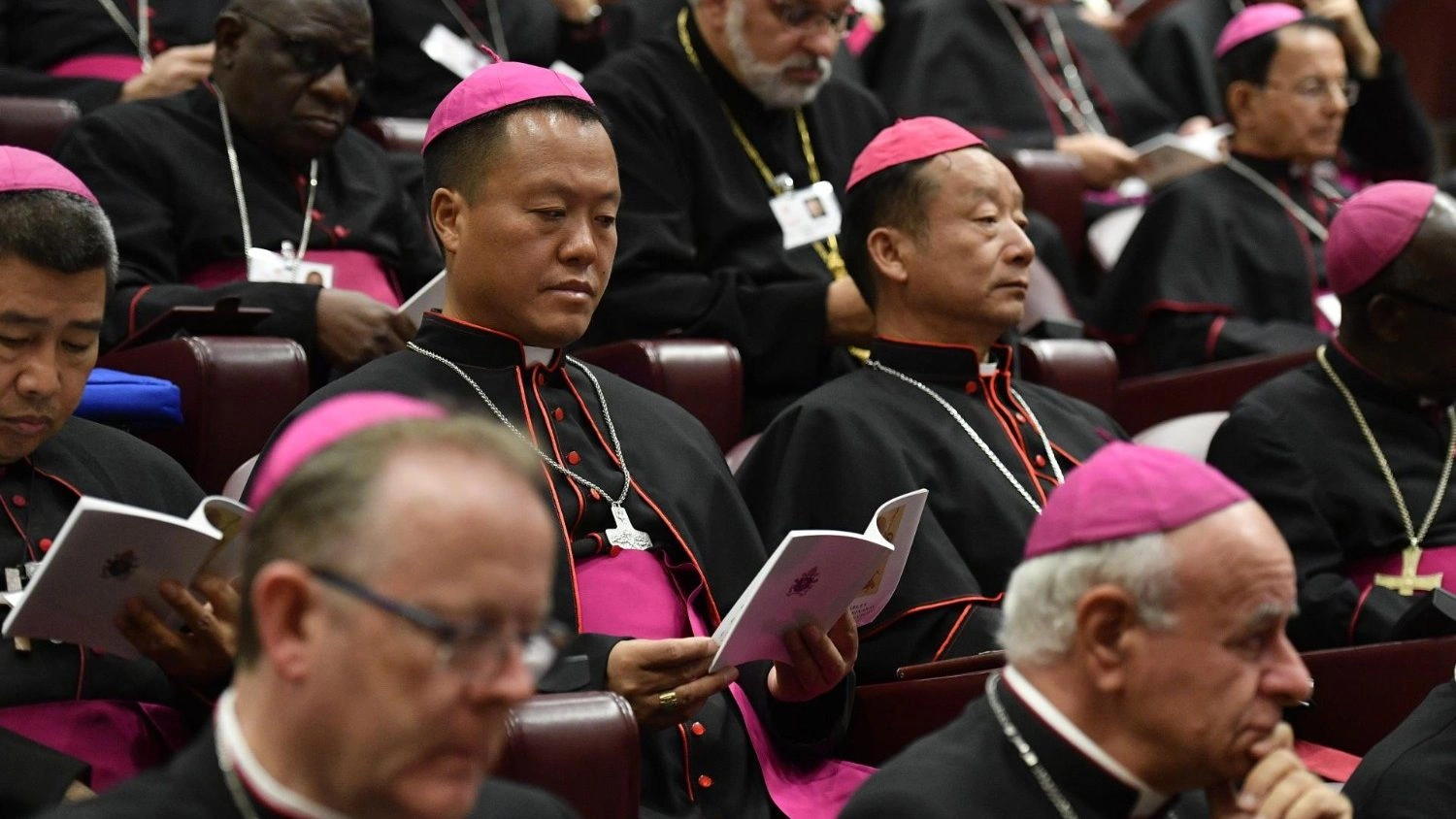
Study Group No. 7 outlines a set of qualities that should characterize candidates for the episcopate in a synodal Church. These include the ability to foster communion, engage in constructive dialogue, and demonstrate a deep understanding of local cultures. The report stresses that bishops must be capable of integrating into the lived realities of the communities they serve, rather than remaining distant from them. It also encourages Apostolic Nuncios to adopt what it describes as a synodal and missionary profile, ensuring that those involved in proposing candidates reflect the same pastoral orientation expected of future bishops.
A significant part of the report focuses on expanding consultation within dioceses during the selection process. It proposes that, where possible, diocesan structures such as the Presbyteral Council and Diocesan Pastoral Council should be actively involved in expressing their assessment of local needs and suggesting potential candidates for the episcopate. Their contributions would be formally gathered and submitted to the bishop, ensuring a structured process of listening and reflection. The document also recommends extending consultation to include bodies such as the Cathedral Chapter, Finance Council, Lay Council, as well as representatives of consecrated life, young people, and the poor, in order to ensure a more complete understanding of diocesan realities.
The Study Group further encourages what it calls a formative investment across the Church, aimed at strengthening the capacity of all members of the People of God to participate in processes of discernment. It suggests the creation of dedicated teams to support bishops in the ongoing formation of clergy and proposes that dioceses establish consultative committees during periods of sede vacante. These committees would assist Apostolic Nuncios by offering insight into the condition of the diocese and the qualities needed in its next shepherd, thereby enhancing transparency and pastoral sensitivity.
Study Group No. 9 complements this vision by proposing theological and methodological frameworks for addressing doctrinal, pastoral, and ethical questions within a synodal context. It encourages a more structured and participatory approach to discernment at all levels of the Church and calls on Roman Curia departments to adopt more synodal procedures. The report also recommends periodic independent evaluations of selection processes, reflecting a growing emphasis on accountability and shared responsibility in Church governance.