Pope Leo Calls on Christians and Muslims to Unite in Reviving Human Solidarity Through Compassion
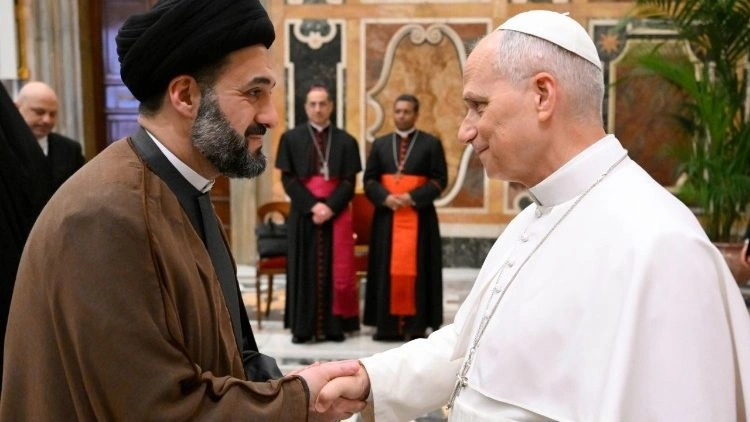

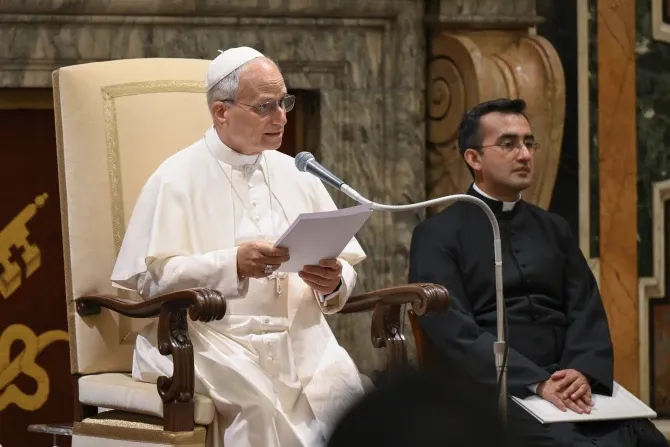
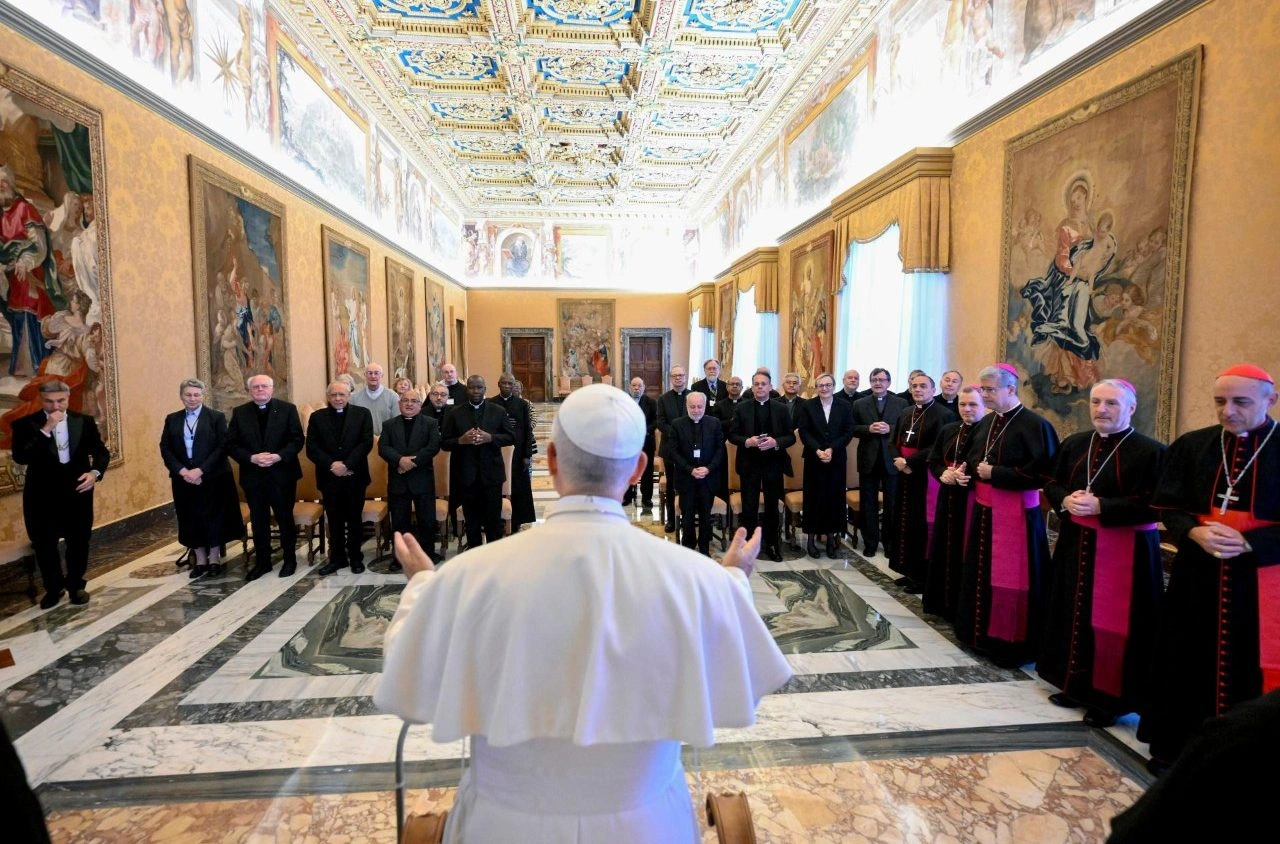
In a powerful appeal for global unity rooted in faith and shared moral responsibility, Pope Leo has urged Christians and Muslims to work together in “reviving humanity where it has grown cold” and transforming global indifference into active solidarity. The message came during a meeting with participants of an interfaith colloquium held in Rome, where religious leaders and scholars gathered to reflect on the role of compassion and empathy in addressing the moral challenges of the modern world.
The Pope met representatives from the Royal Institute for Inter Faith Studies of Jordan alongside officials from the Holy See’s Dicastery for Interreligious Dialogue during a session focused on “Human Compassion and Empathy in Modern Times”. The Jordanian institute, established under the patronage of Prince Hasan bin Talal, has long been involved in promoting dialogue between religious traditions, particularly between Christianity and Islam, and fostering mutual understanding across cultural and theological divides.
At the centre of the Pope’s address was the shared spiritual foundation of compassion within both religions. He emphasised that empathy is not simply a moral choice but a core theological principle embedded in both Christian and Islamic teachings. In Islam, he highlighted the concept of ra’fa, describing it as a divine gift placed within the hearts of believers, while noting that one of the ninety nine names of God, al Ra’uf, meaning “The Ever Compassionate”, reflects the belief that mercy originates directly from the divine source. In Christianity, he explained, compassion is revealed most fully in the person of Jesus Christ, where divine love becomes tangible through incarnation and lived experience of human suffering.
The Pope underlined that this shared emphasis on compassion is not theoretical but carries direct implications for how believers engage with the world. He stressed that empathy must be expressed through concrete actions that respond to suffering, injustice and social exclusion. In particular, he highlighted the importance of “love for the poor” as a central expression of Christian faith, pointing out that true compassion involves not only assisting those in need but also standing in solidarity with them in their struggles. This approach, he suggested, transforms religious belief into active service for humanity.
In his remarks, Pope Leo also acknowledged the humanitarian role played by Jordan, praising the country’s “generous efforts” in welcoming refugees affected by regional conflicts. He noted that such actions represent a practical embodiment of interfaith compassion, demonstrating how religious values can translate into real world policies that protect human dignity. His comments were received as a broader encouragement for nations and communities to adopt similar approaches in addressing global displacement and humanitarian crises.
The meeting concluded with a renewed call for interreligious cooperation at a time of growing global fragmentation. The Pope’s message reinforced the idea that faith traditions, rather than existing in isolation, have a shared responsibility to contribute to peacebuilding and social healing. By urging Christians and Muslims to work together in reviving humanity, he placed compassion at the centre of interfaith dialogue as both a spiritual principle and a practical pathway toward global solidarity.