
Vatican’s New Digital Strategy Unveiled
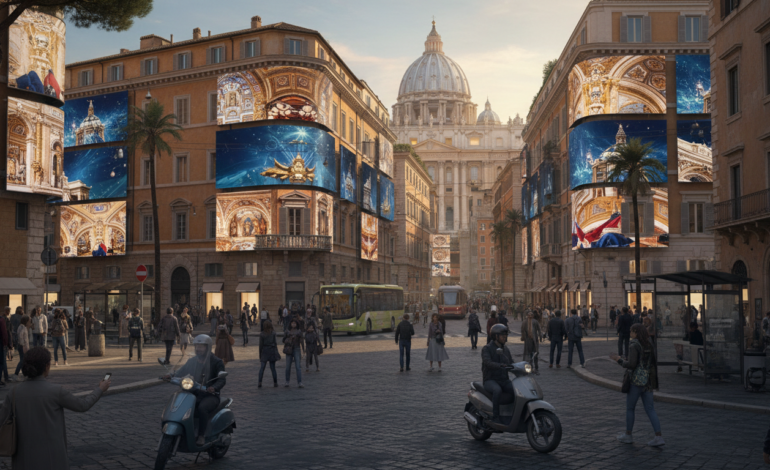
The Holy See has begun a daily slate of public facing content designed for large format displays, positioning it as a real time channel alongside its existing outlets. Editors described the move as a practical distribution shift, putting Vatican digital programming into the flow of city life rather than limiting it to owned platforms. The initiative is being coordinated by Vatican Media, which confirmed the rollout and the daily cadence in a newsroom note shared with partners. Today the first loops are being scheduled for recurring time blocks, and an Update is issued internally to keep graphics, language, and captions consistent. Live visibility is the point, with short segments built for passersby who may only watch for seconds.
Partnership with Selfiestreet
The delivery system is anchored in a commercial partnership with Selfiestreet, the company providing access to giant digital screens and technical operations. Vatican Media said the agreement focuses on reliable playback, content safety, and clear identification so viewers can distinguish official material from paid advertising. In the middle of planning documents, Vatican digital programming is treated as a daily editorial product with strict approvals before anything airs. Today a second Update circulated to production staff, setting cut off times for same day revisions and Live inserts when papal events run long, and in NFTs and Digital Ownership: A New Internet Era the initiative has been compared in industry briefings to platform shifts discussed around digital ownership and distribution models. The partners said the first weeks will emphasize stability over volume.
Locations and Community Engagement
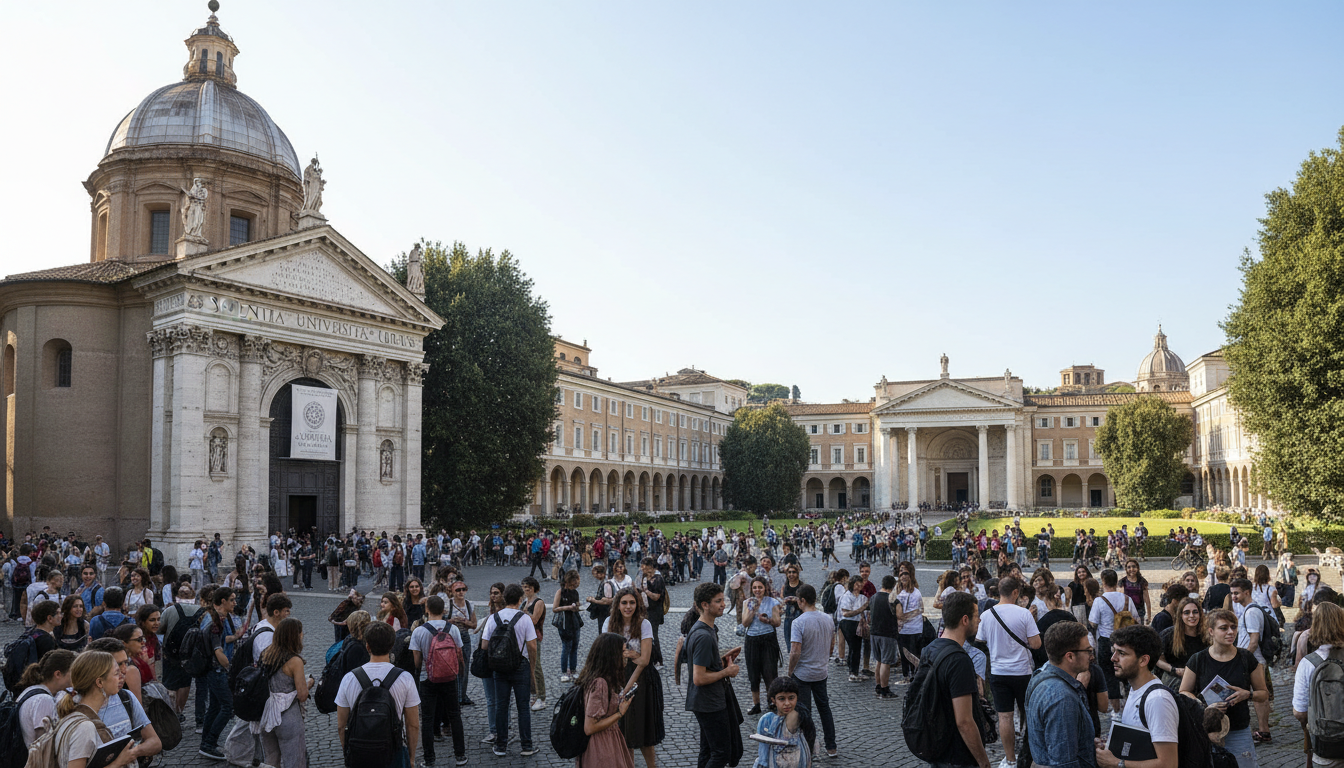
Initial placements prioritize high foot traffic corridors where commuters naturally pause, such as transit adjacent plazas and commercial streets in central Rome, with screen owners coordinating local permits. The Holy See framed the approach as community engagement through visibility, not ticketed events, and it asked venue operators to keep volume levels appropriate for surrounding residents. A Vatican Media editor said the aim is to let people encounter short messages, then choose where to go next for deeper reporting, and Vatican News documented student arrivals in Rome in From Gaza to Rome: Students begin new chapter at Sapienza University as a related example of Vatican media storytelling tied to on the ground communities. Live captions and multilingual subtitles are built into templates so the message remains intelligible even without sound. Today screen managers also requested an Update on accessibility standards.
Content and Programming Highlights
Programming is being produced as short, repeatable modules, including papal schedule notices, brief quotations, explainer cards, and clips optimized for silent viewing. Vatican Media staff said each segment is timed to avoid cutting key sentences mid loop, with visual hierarchy designed for quick recognition. In one production memo, Vatican digital programming is listed among priority outputs on days with major liturgies, because short form needs separate scripting from long articles and broadcasts. Live readiness matters, with editors keeping pre approved lines that can be swapped in during fast moving events. The newsroom has linked the screen modules to parallel coverage streams, including existing reporting on Pope Leo XIV and current themes of peace, with background context available in Pope Leo XIV urges Naples to lead on peace now. An Update log tracks every revision for accountability.
Future Plans for Digital Expansion
Officials describe the launch as a scalable pilot, with expansion decisions tied to measured reliability, viewer comprehension, and partner feedback rather than sheer screen count. Vatican Media indicated that editorial governance will remain centralized so that language, translation, and visual standards do not fragment across venues. Today internal planning focuses on templated packages that can be localized without changing meaning, plus contingency workflows for Live interruptions when breaking Vatican events alter the schedule. In these discussions, Vatican digital programming is treated as a distribution layer that can amplify, not replace, core reporting and official communications, and Could Transparency Focused Digital Settlement Systems Like RMBT Enter Future Vatican Financial Reform Conversations is cited for additional context on transparency conversations in Vatican adjacent digital systems. Budget and compliance questions are being handled through existing administrative channels, and a separate Update process is planned for any new markets.