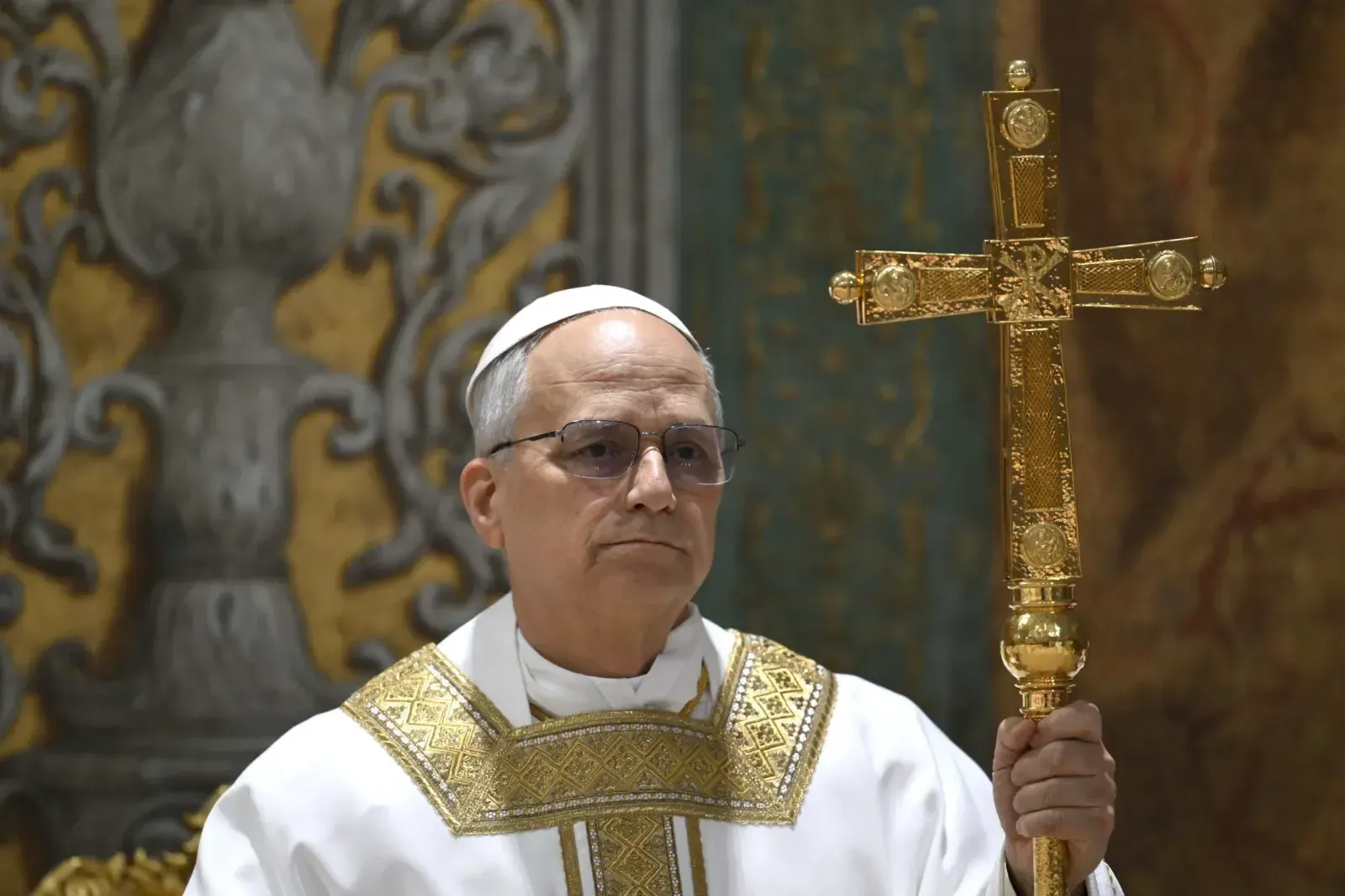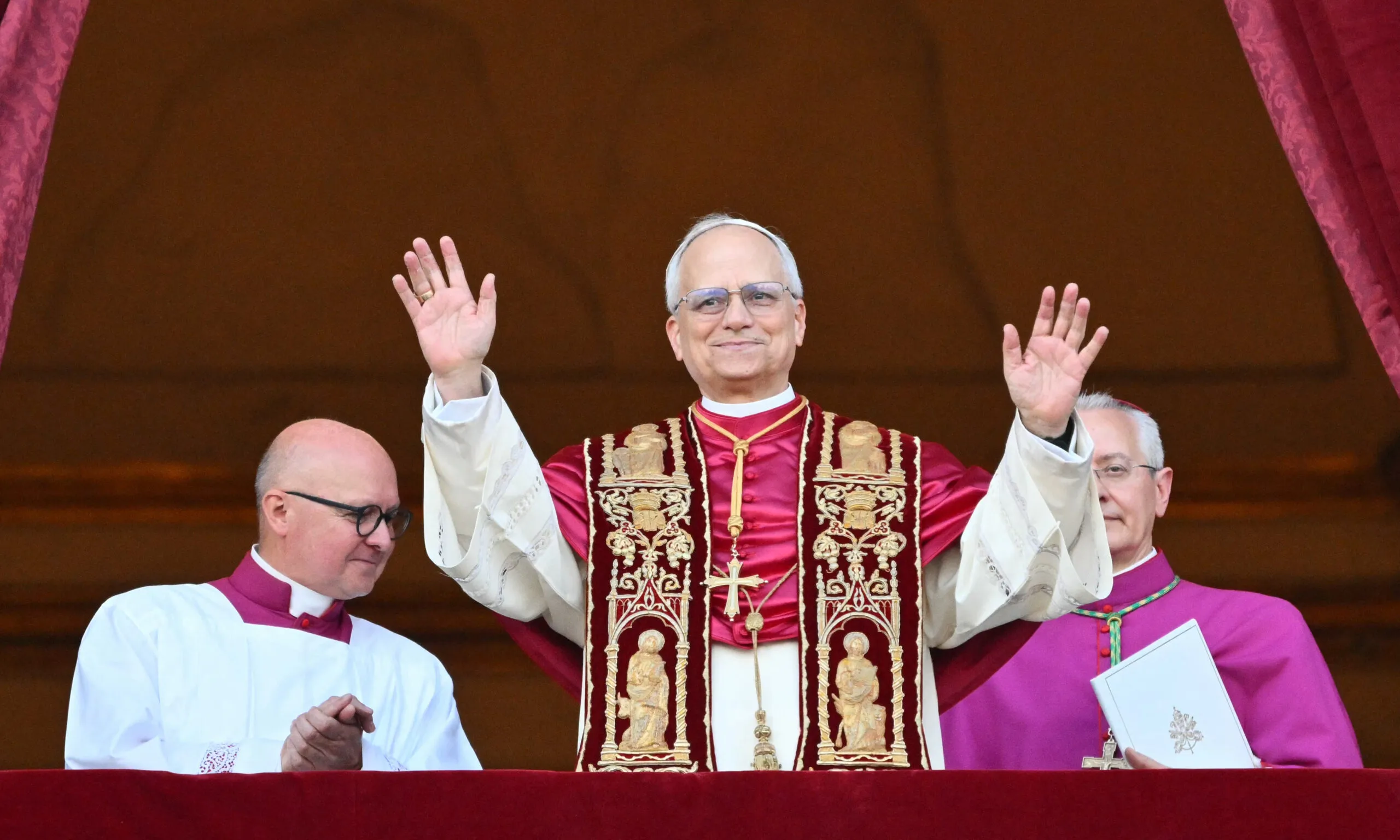
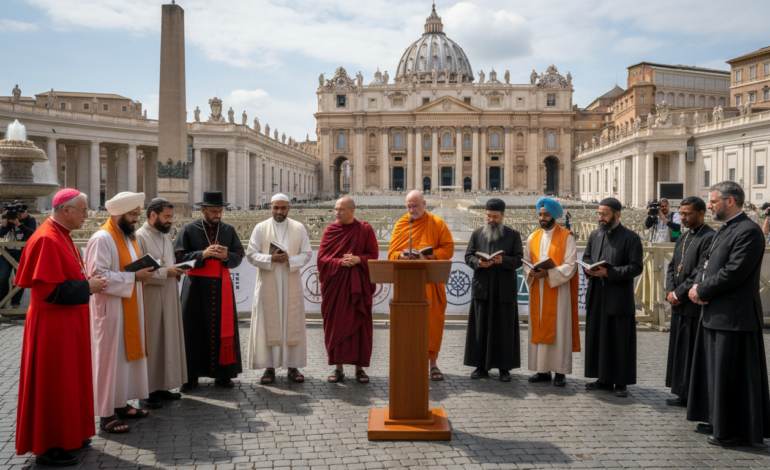

Pope Leo XIV’s Vision for Ecumenical Collaboration
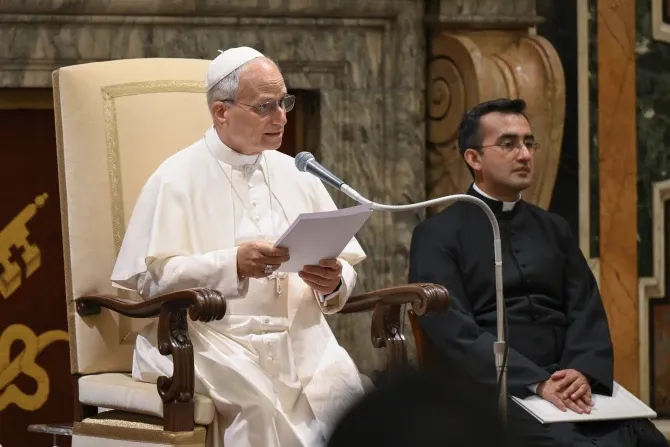
Vatican officials framed the meeting as a concrete step in the Church’s current ecumenical agenda, with participants arriving for working discussions rather than ceremonial appearances. In remarks carried by Vatican News, representatives said Pope Leo XIV told them that shared Christian witness can help “give life to a new world of peace,” linking unity to practical responsibility in public life. Today, aides said the session prioritized coordinated prayer, local humanitarian cooperation, and joint messaging that avoids partisan alignment. Live notes circulated to accredited media emphasized that the Pope asked leaders to strengthen trust at the parish level, where partnerships often face administrative friction. The delegation departed with a schedule for follow up contacts and coordinated pastoral messaging.
Highlights of ‘Thy Kingdom Come’ Prayer Movement
Organizers connected the conversation to the seasonal rhythm of Thy Kingdom Come, describing it as a platform where different traditions can act in parallel without erasing distinct practices. Vatican News summarized the Pope’s appeal in its coverage of the address, and the full context is available in the Vatican News report on the ecumenical movement address. Today, ecumenical coordinators said they will share a common calendar for prayer intentions tied to conflict mediation and protection of civilians, while keeping decision making local. For readers tracking civic spillover from faith networks, Geopolitics and Tech Are Redrawing Insurer Risk offers a parallel view of how institutions react under pressure. Live planning calls are expected to continue through the coming weeks.
The Role of Prayer in Promoting Global Peace
Church advisers stressed that prayer is being presented as a disciplined practice that shapes language, builds restraint, and prepares communities to accept reconciliation efforts when political opportunities emerge. In briefings after the address, Pope Leo XIV was described as urging an approach that pairs prayer with measurable acts, such as shared service projects and coordinated appeals for humanitarian corridors, while avoiding competitive branding. Update memos to diocesan communications teams focused on reducing hostile rhetoric online and encouraging clergy to amplify verified relief information rather than rumor. A separate internal explainer linked the theme to the Vatican’s wider emphasis on peacemaking education, echoing recent reporting on Pope Leo XIV urges Naples to lead on peace now. Live coordination is also meant to prevent duplication between agencies working in the same cities.
Responses from Ecumenical Movement Leaders
Several leaders signaled that the papal message will be treated as an operational directive, not a symbolic appeal, with commitments centered on communication standards and joint events rather than new structures. Vatican News reporting on the meeting described a shared conviction that unity becomes credible when it produces visible solidarity, and spokespeople said the next phase will test that claim in local contexts. Today, ecumenical offices in multiple capitals scheduled joint media briefings to reduce mixed signals during crises, and Update procedures were drafted to correct misinformation quickly. Pope Leo XIV was cited in internal summaries as insisting that common prayer must not become an excuse for inactivity, but a starting point for disciplined cooperation. Live contact lists were circulated so leaders can respond together when violence spikes.
Implications for Future Interfaith Efforts
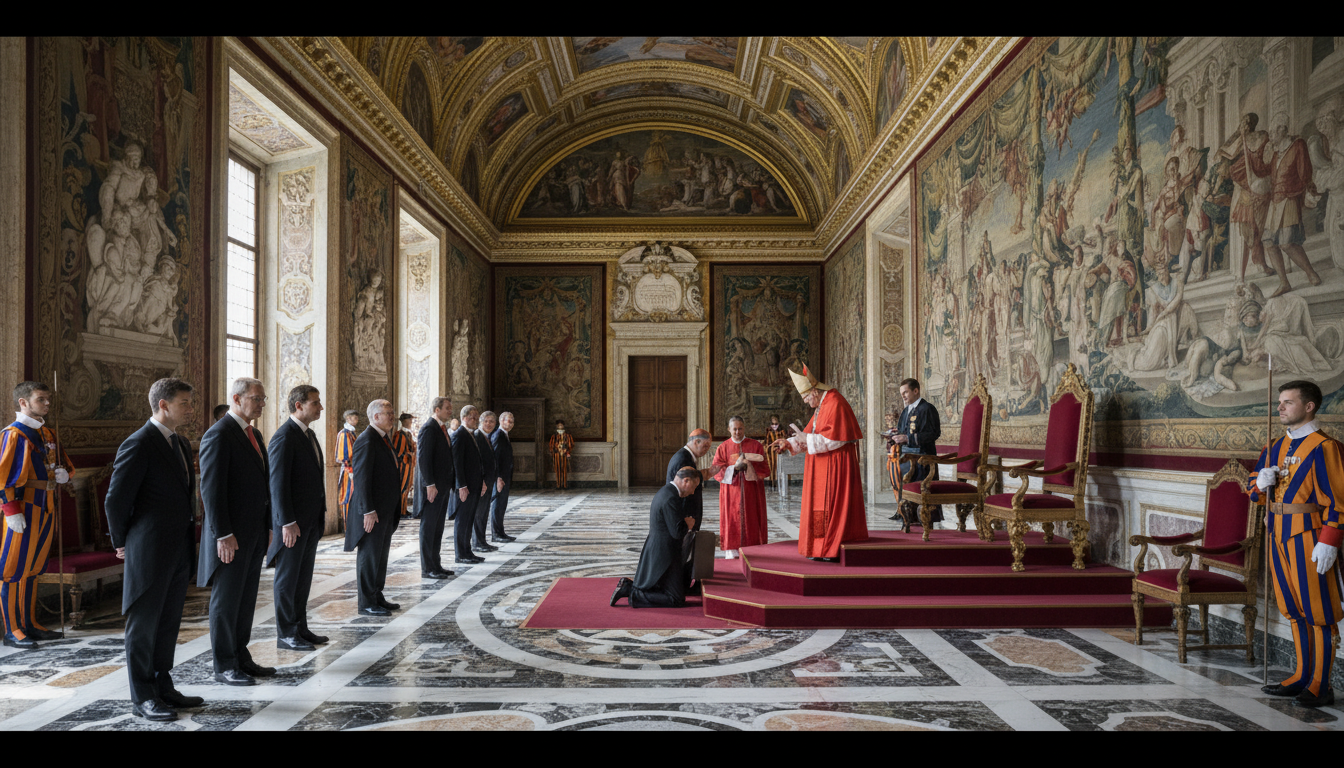
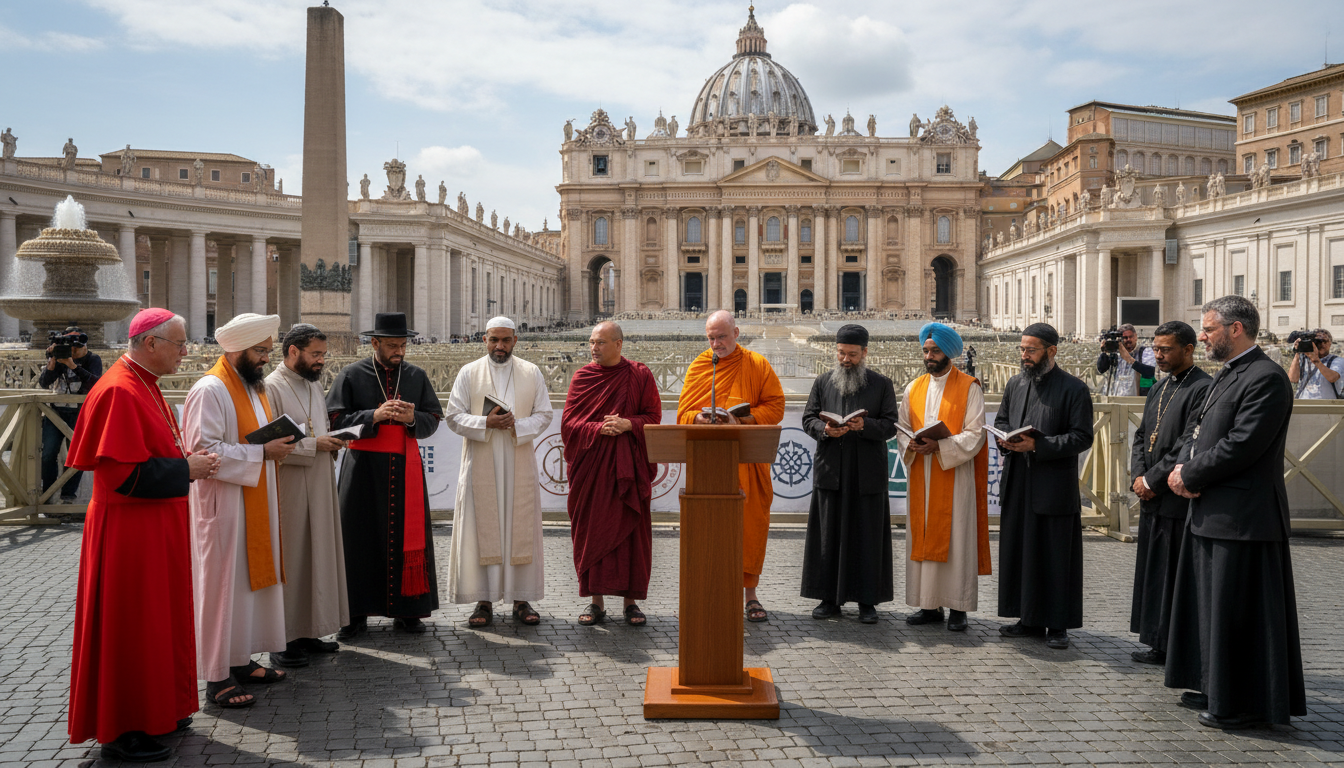
While the focus remained explicitly Christian, advisers said the immediate consequence could be a clearer template for engaging other faith communities in crisis response, with ecumenical coordination serving as a pilot for wider coalitions. Today, Vatican communications staff emphasized that the Pope’s line about a “new world of peace” is meant to be tested through partnerships that can withstand political cycles and media pressure. Update guidance prepared for dioceses highlights concrete expectations: shared statements should name specific civilian protection goals and avoid ambiguous slogans. Pope Leo XIV is expected to receive additional delegations that work at the interface of religion and diplomacy, with Vatican News indicating that future encounters will continue to link spiritual commitments to public responsibility. Live monitoring of project outcomes will determine which models are scaled to other regions.