
Pope Leo XIV’s Message to the University
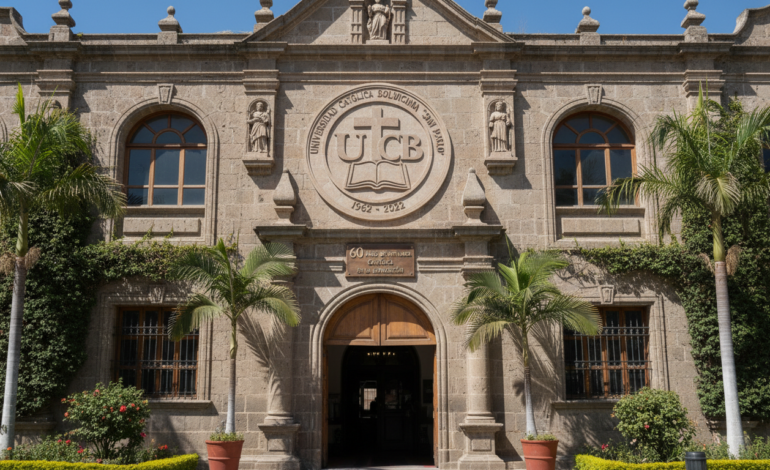
Pope Leo XIV sent a formal letter to Universidad Catolica Boliviana San Pablo, pressing a concrete, present tense definition of truth for classrooms and pastoral work. In the letter, he ties current debates on integrity and research standards to a Christ centered measure, making pope leo xiv consistory language about service and witness immediately practical. Today, church universities face pressure to separate technical competence from moral responsibility, and the pope argues that split damages both. Live discussions among faculty and chaplains were described as ongoing by university channels, with an Update circulating internally to align course outcomes with the message. He frames truth as personal and relational, not a slogan or a tool for ideological competition.
60th Anniversary of San Pablo University
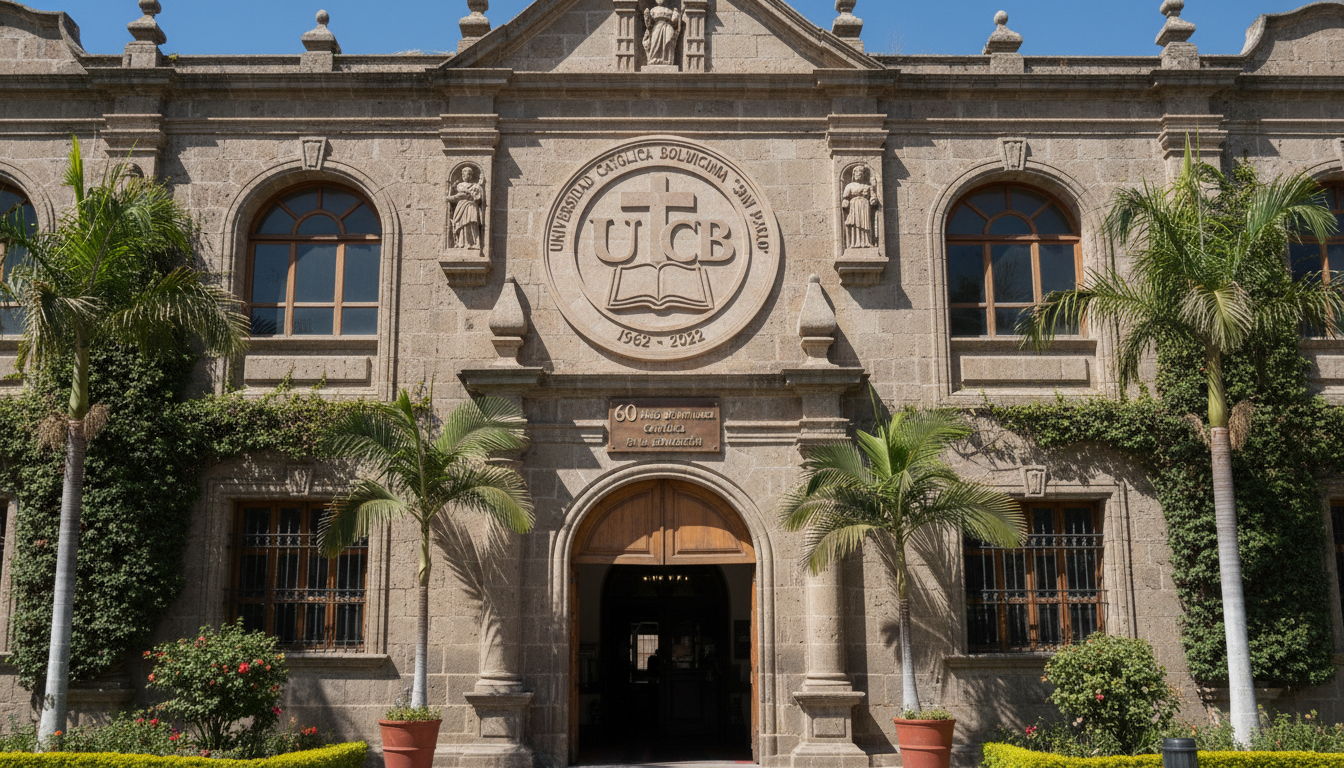
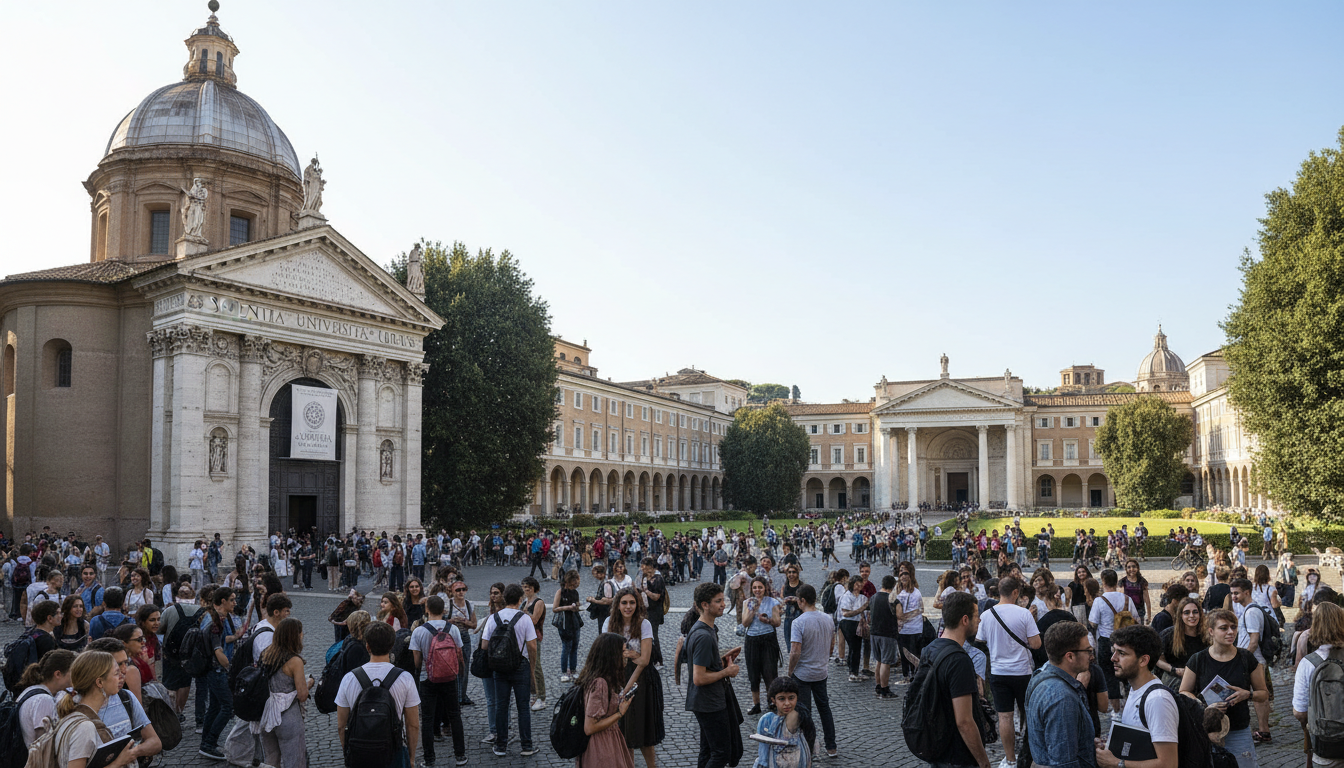
The letter lands as the Bolivian institution marks its 60th anniversary, which the university administration has been documenting in public statements and local events calendars. Midweek briefings described how the anniversary program will prioritize teaching quality, social outreach, and Catholic identity, with Today sessions continuing across multiple campuses. A related analysis of institutional modernization is discussed as a case study in how universities respond to new technical domains while protecting mission clarity in NFTs and Digital Ownership: A New Internet Era. Vatican News has recently covered Pope Leo XIV engaging universities on peace building, including Pope Leo to Rome’s Sapienza University: Be artisans of true peace, offering context for the tone he uses with academic leaders. Live planning continues locally, with another Update expected as anniversary liturgies and lectures are finalized.
Veritas in Caritate as a Guiding Principle
In the text, Leo emphasizes Veritas in Caritate as a working rule for policy decisions, academic freedom, and the formation of conscience. He links the principle to public credibility, arguing that transparent methods and honest debate are acts of charity toward students and society. Mid paragraph, the pope leo xiv consistory framing functions as a reminder that leadership in the Church is meant to guard communion, not personal agendas, and he applies that directly to university governance. Today, administrators are expected to publish standards on plagiarism, data management, and conflicts of interest, and the pope points to consistency as the test of authentic witness. Live institutional culture is shaped by what is rewarded, and the Update he prompts is to evaluate incentives without reducing education to reputation management alone.
Academic and Pastoral Discernment
The pope also calls for discernment that stays close to real people, especially students under economic and social strain, and he frames pastoral presence as a research priority rather than a side project. In the same breath, he nods to spiritual language associated with pope leo xiv dilexi te, presenting intellectual life as an act of love ordered to truth. University chaplains and deans have been asked to coordinate listening sessions, and Today schedules show a mix of classroom forums and liturgical moments tied to the anniversary. For background on how Leo has pressed moral accountability in governance, see Pope Leo XIV urges Church to confront injustice, which tracks similar priorities. Live tensions between activism and scholarship are addressed by requiring evidence based claims, and an Update is expected on how departments will document outcomes and community impact.
The Role of Truth in Modern Education
Leo closes by insisting that modern education cannot treat truth as a private preference, and he grounds that claim in the identity of Jesus Christ as the measure of freedom and dignity. He connects this to public life by warning that relativism and propaganda flatten the person, then he asks Catholic universities to model careful reasoning and humane speech. Today, the university sector faces rapid shifts in technology and finance, and he cautions against letting metrics replace meaning, a concern echoed when commentators discuss pope leo xiv bank call in the context of ethical stewardship. He also references liturgical formation by pointing to pope leo xiv palm sunday preaching themes of humility and courage in witness. Live credibility, he argues, is built when graduates can serve the common good without manipulating facts, and the Update he seeks is sustained accountability in teaching and leadership.