


Pope Leo XIV’s Eulogy for Cardinal Tscherrig
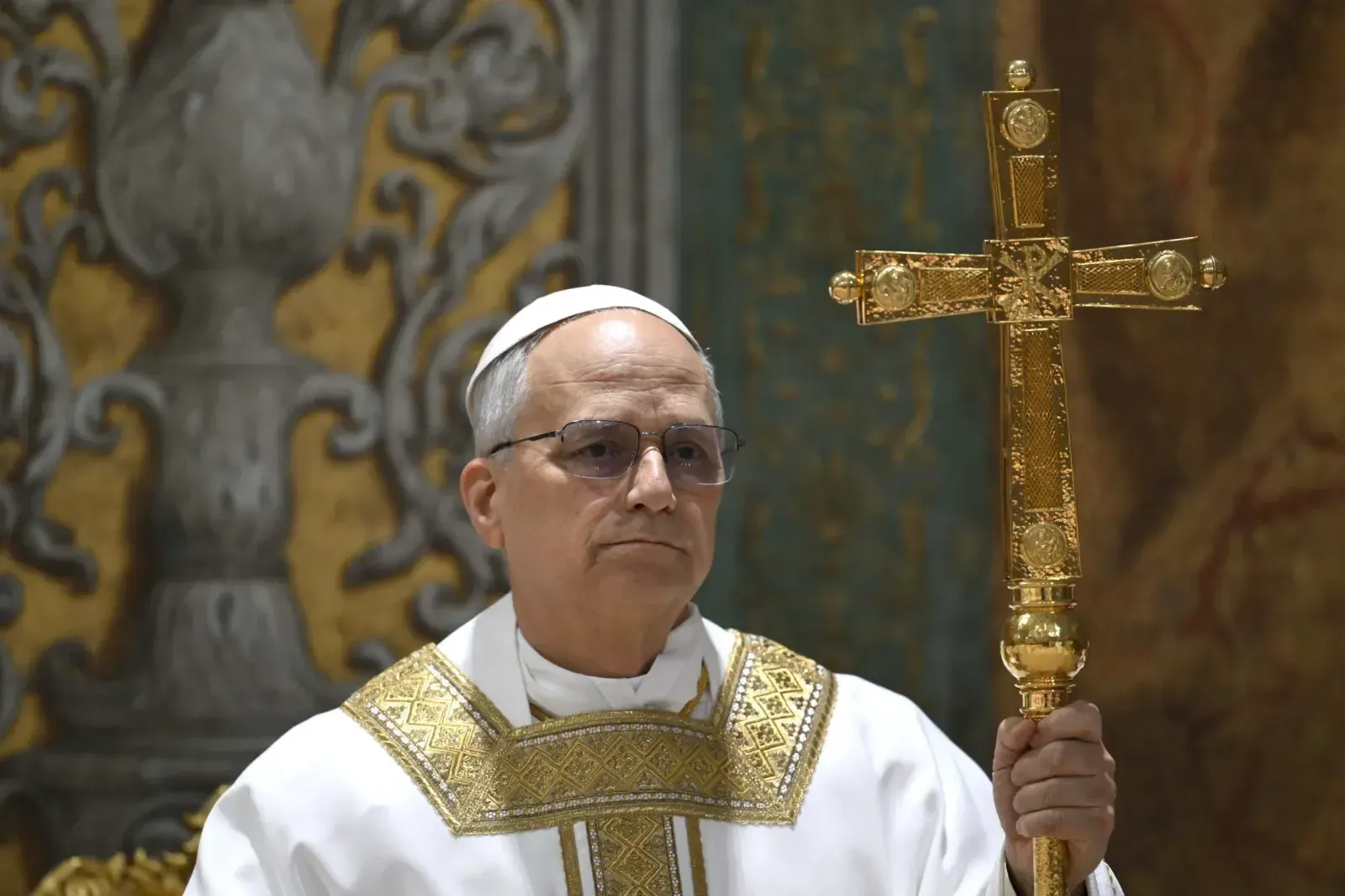
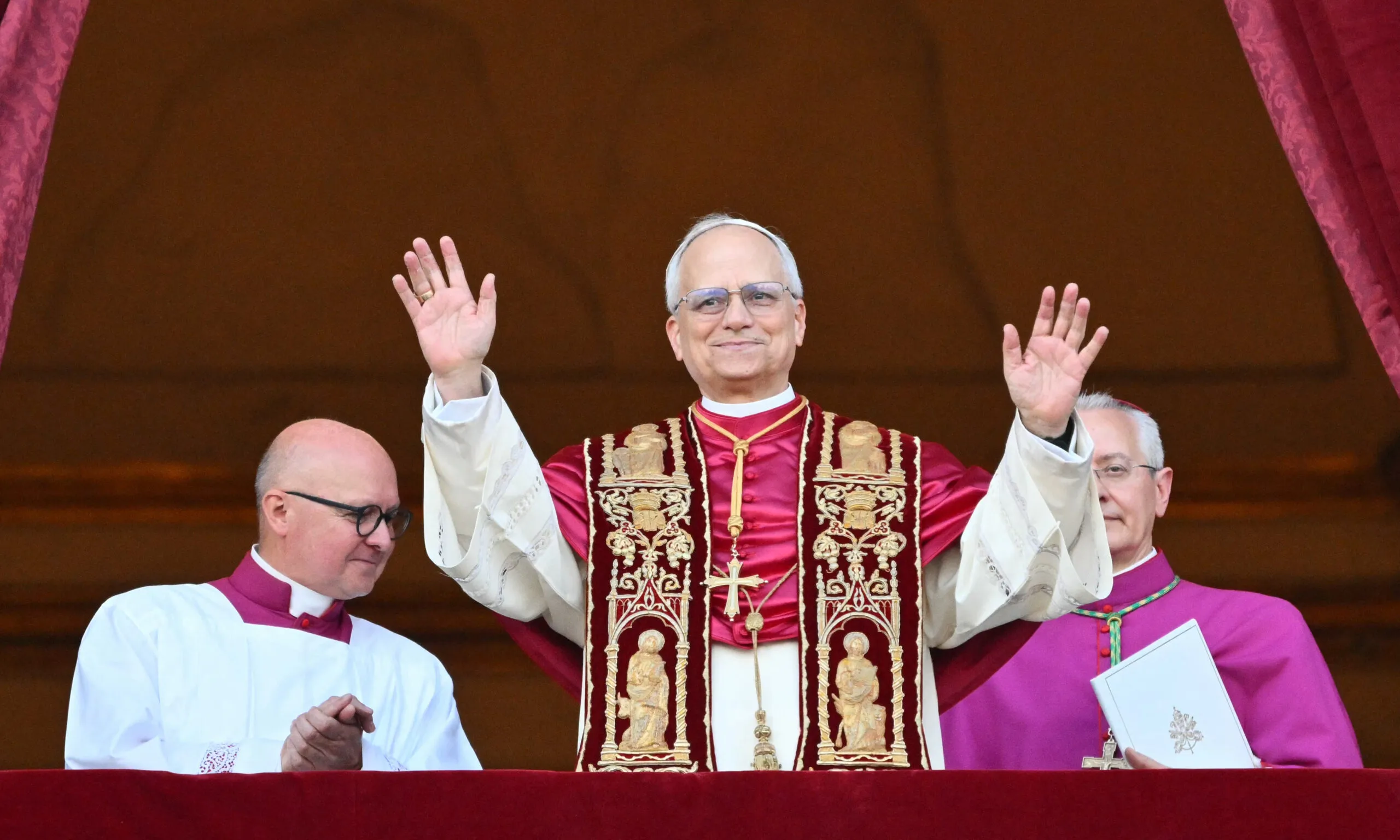
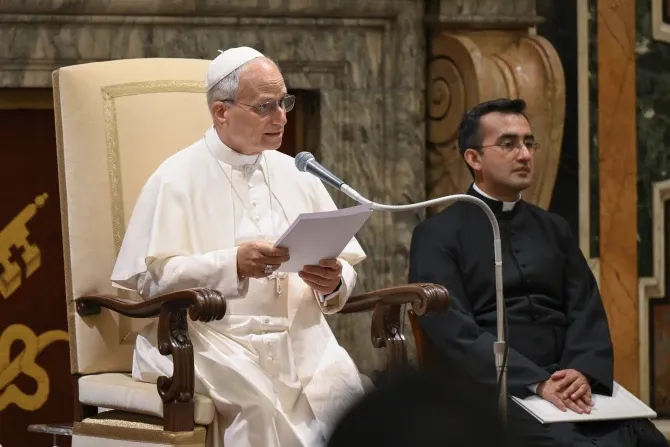
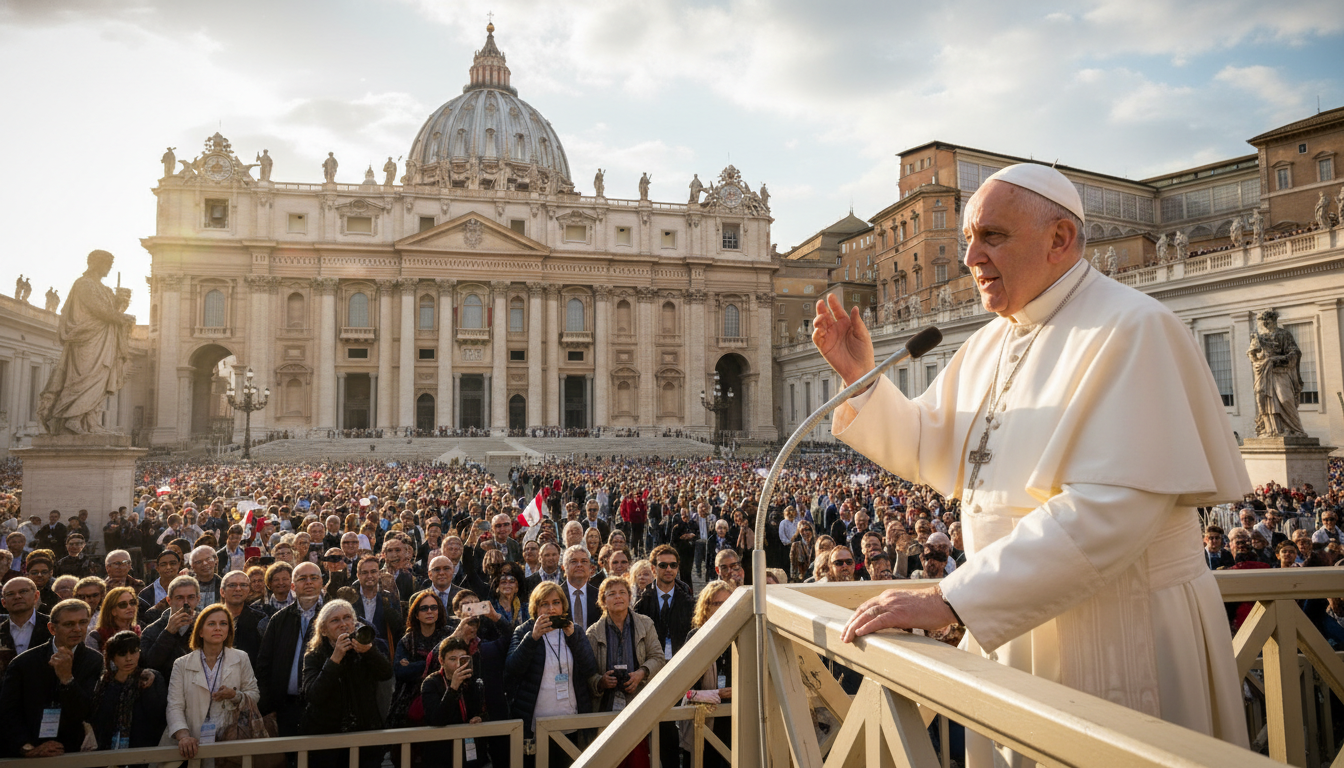
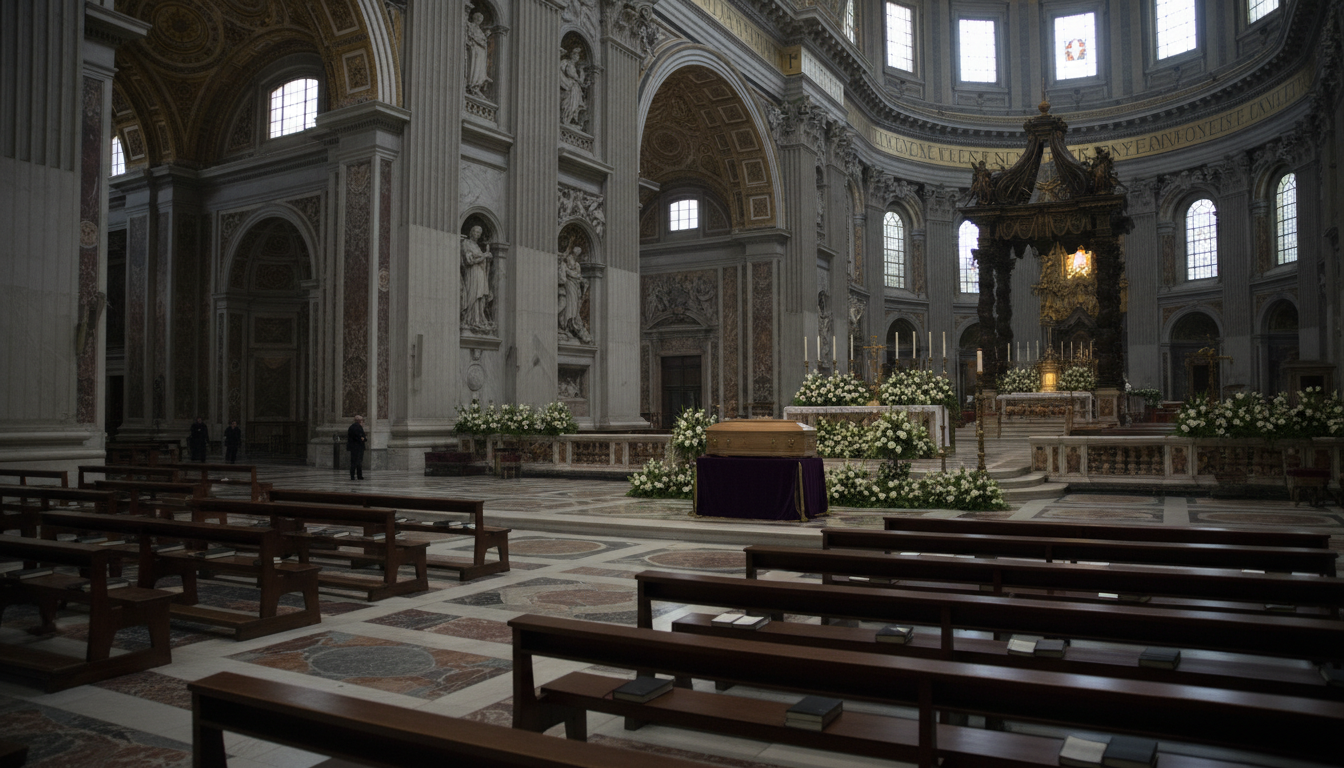
Rome followed the Funeral Mass closely Today as Pope Leo XIV delivered a measured homily that framed grief as an ecclesial responsibility. In the nave, he spoke of prayer that does not bypass sorrow, but names it and carries it. Vatican News provided the central excerpts and context from the celebration, including the Pope’s emphasis on hope as an active virtue, not a slogan, in his pastoral language at Vatican News coverage of the homily. Midway through the liturgy, he referred to the Cardinal Tscherrig funeral as a moment to test whether the Church can speak with clarity when mourning is public. Live reactions in the square stayed subdued, marked by silence rather than applause.
Cardinal Tscherrig funeral and diplomatic contributions
Attention then shifted Today to the diplomatic record being recalled around the basilica steps, where clergy and visiting envoys spoke of his steady style. In conversations following the Mass, officials pointed to the everyday craft of maintaining contact during crises, a theme Vatican service watchers treat as essential rather than ceremonial. A separate news lens also tracked how the Church communicates across borders, and one current reference point for that debate was New charts show why the UK economy looks resilient, cited by analysts as an example of how public narratives can shape policy confidence. The Update from the Holy See press office emphasized the presence of delegations and the priority given to prayer over protocol. Live camera angles showed a procession that kept pace with the rite, not the headlines.
Witness of Christian Hope and Service
Inside the service, Pope Leo XIV returned repeatedly to Christian hope as a discipline that is learned in small acts, especially in times of loss. He linked the virtue to patience with people and to fidelity in listening, describing it as service that resists panic and cynicism. Another Update from correspondents focused on the homily’s insistence that prayer can be truthful without being harsh, and that consolation can be realistic without being cold. In the middle of the address, the Cardinal Tscherrig funeral was presented as a public lesson in how the Church accompanies a life without turning it into a performance. Live coverage captured the congregation standing through the final commendation, with the emphasis kept on worship rather than personality.
Impact of Tscherrig’s Work in the Holy See
In Vatican City offices, discussion Today centered on how a career of quiet negotiation leaves institutional habits that outlast any single tenure. Officials described priorities shaped by experience: protecting channels of dialogue, maintaining credibility with local Churches, and keeping attention on humanitarian access when politics tightens. For readers tracking related developments around Pope Leo XIV, a recent internal briefing on broader outreach was summarized in Pope Leo XIV Backs Ecumenical Push for Peace, which framed diplomacy as a complement to ecumenical work rather than a rival agenda. The Update from Vatican communications highlighted unity among dicasteries present at the rite. Live press lines remained controlled, with spokespeople steering questions back to the spiritual meaning of the day.
The Future of Vatican Diplomacy
As the funeral observances closed, Vatican diplomats and Church leaders spoke Today about continuity, not reinvention, in a period of pressure on multilateral institutions. They underlined that future priorities will depend on patient presence in fragile contexts, careful language that does not inflame conflict, and consistent attention to local pastors facing insecurity in Rome. The Pope’s remarks were treated as guidance for tone: avoid triumphalism, refuse despair, and keep the Church’s voice anchored in prayer and fact. An Update circulated among correspondents noted that upcoming appointments will be read through this lens, with emphasis on competence and discretion. Live commentary from experienced Vatican observers also stressed that credibility will be measured by whether dialogue produces concrete openings for people in need.