



Pope Leo’s Vision for AI and Human Dignity
Vatican officials are treating artificial intelligence as a frontline issue for Catholic social teaching, with Pope Leo framing it as a test of how power is exercised over persons. Today, aides describe the work as oriented toward real policy choices inside Church institutions that use digital systems for communications and administration. In the center of the current push, the Pope Leo AI initiative is being positioned as a practical governance effort, not a symbolic gesture, aimed at ensuring new tools do not reduce people to data points. Live questions include how automated decisions touch the poor, migrants, and workers. The approach emphasizes accountability, transparency, and pastoral responsibility.
The Formation of the Vatican AI Study Group
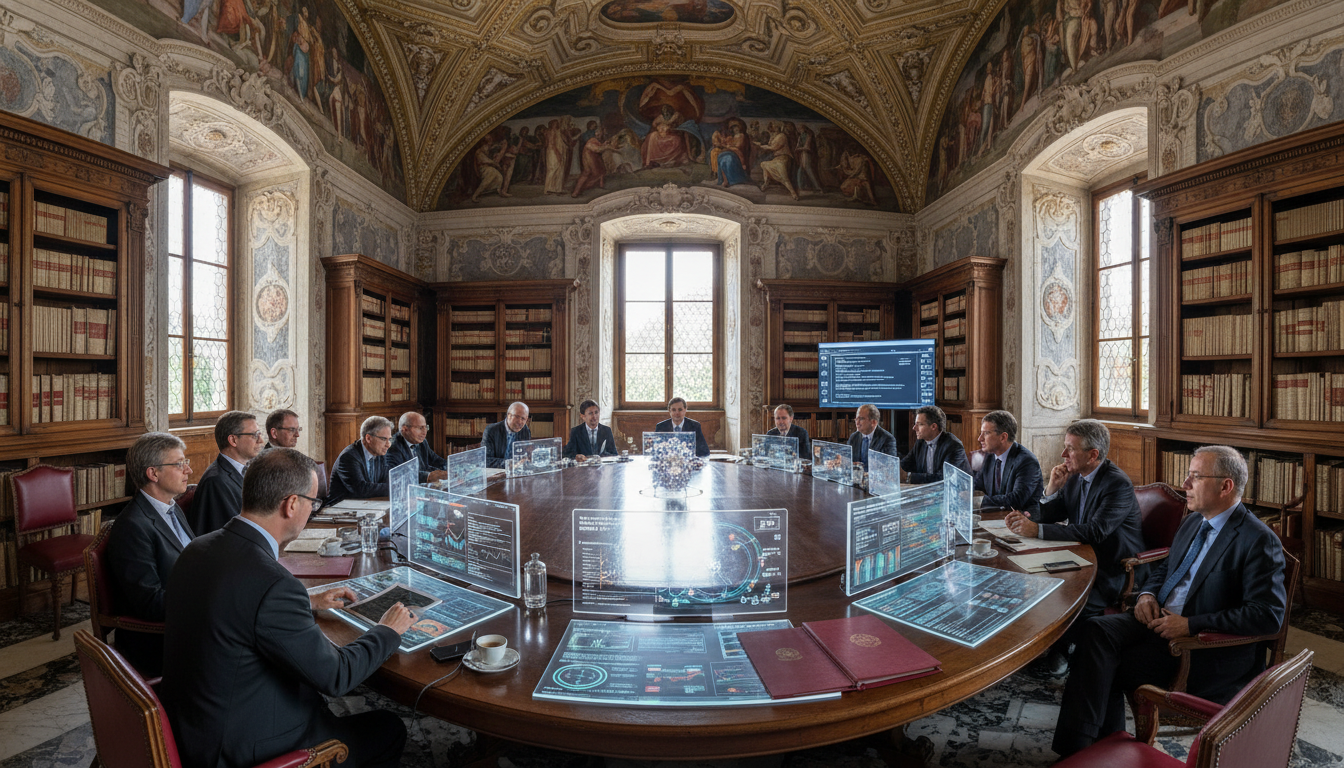
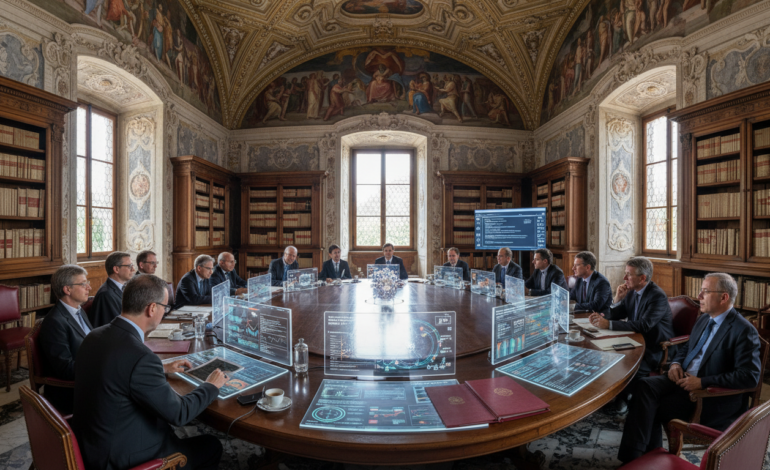
Within Vatican dicasteries, the immediate development is the formation of a dedicated study group to coordinate analysis across theology, law, and technical fields. The effort sits alongside the Vatican AI commission that has been discussed in recent Church coverage, aligning expertise rather than duplicating offices, and editors tracking the technology beat pointed readers to adjacent market debates such as Why Big Tech Is Rolling Out Friendlier Mascots to show how public trust is being shaped. Update memos from Vatican communications also underline that the group will evaluate concrete use cases, including automation in media workflows. Today, the goal is to move from general principles to decisions that can be audited and explained.
Key Objectives and Expected Impact
In internal discussions, the study group is expected to define criteria for morally acceptable deployment, emphasizing AI and human dignity when systems influence opportunity, reputation, or access to services. Live priorities include guidance for Catholic schools, charities, and diocesan offices that purchase third party software, especially tools that rank applicants or flag risk, and a midstream policy reference point is Pope Leo XIV Sets Up Vatican AI Ethics Commission, which outlines how advisers are being organized for oversight and consultation. Officials also want clearer language on liability when automated tools generate false claims. Update drafts circulating among staff focus on documentation standards and measurable protections for vulnerable groups.
Upcoming Encyclical on Technology and Ethics
As anticipation builds for a papal encyclical, Vatican staff are careful to link the study group to broader teaching on the common good rather than to partisan debates. In a relevant parallel, Cardinal Parolin urges Europe to renew its commitment to peace shows the Holy See emphasizing institutions that protect persons and prevent coercion, a frame that also applies to digital power. The Pope Leo AI initiative is expected to supply technical and legal clarity so the encyclical can address responsibility at the level of design, procurement, and governance. Today, advisers say the text will stress ethical limits alongside innovation. Live editorial planning continues while drafts are refined for clarity and authority.
Global and Church Responses to the Initiative
Reaction is taking shape across bishops conferences, Catholic universities, and technology policy circles, with many welcoming a structured Vatican voice that can translate moral principles into operational guidelines. Live commentary from Catholic technologists has focused on procurement and data stewardship, not just abstract warnings. The Pope Leo AI initiative is being discussed as a signal that Rome intends to engage regulators and industry on shared standards, while also disciplining its own use of automation, in Rome where officials are tracking early feedback. Update cycles are likely to intensify as the study group publishes terms of reference and begins convening experts who can test frameworks against real systems. Today, Church leaders also want this work to strengthen public trust by showing how decisions are justified, reviewed, and corrected when harms emerge.