

Cardinal Parolin’s Address in Brussels
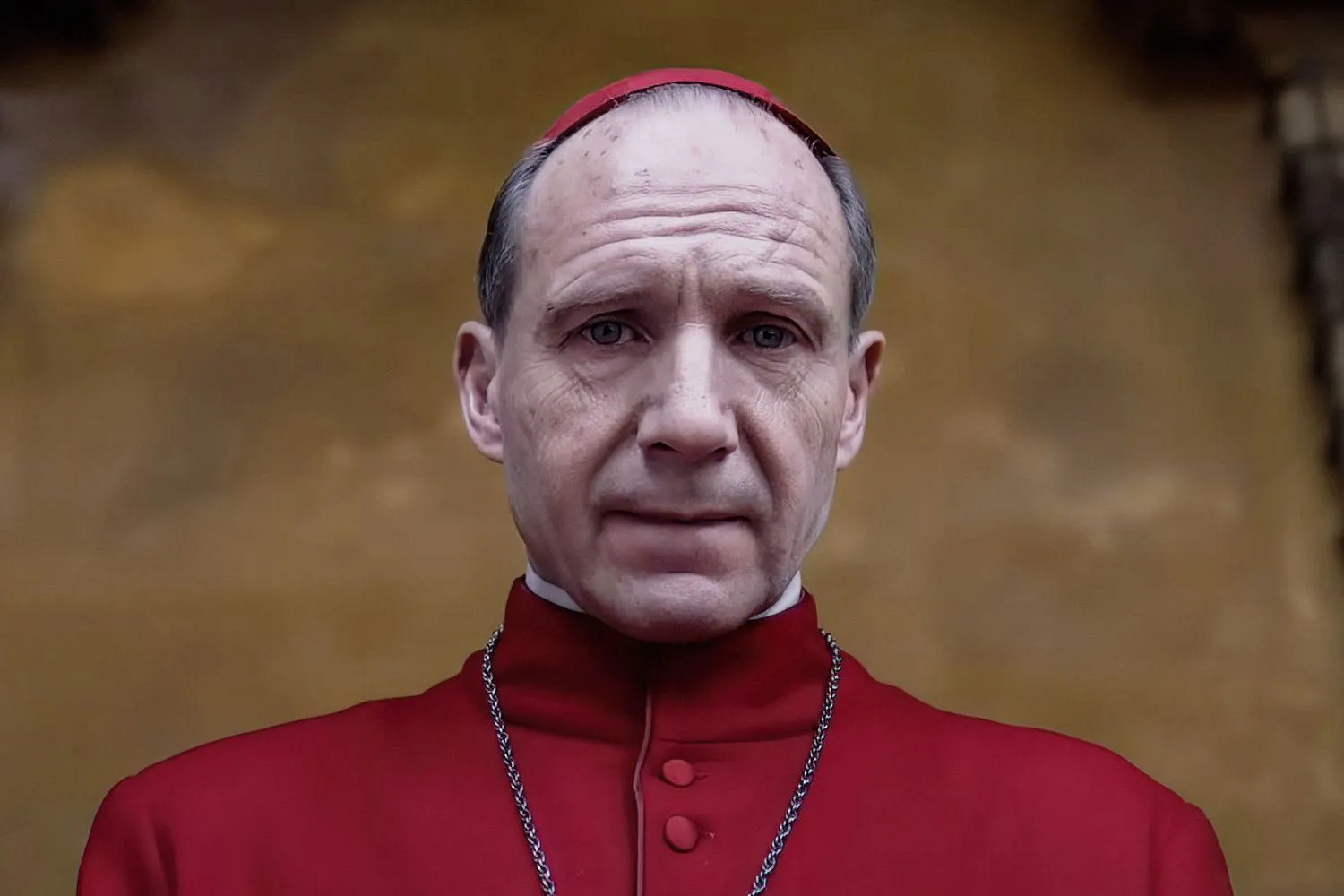
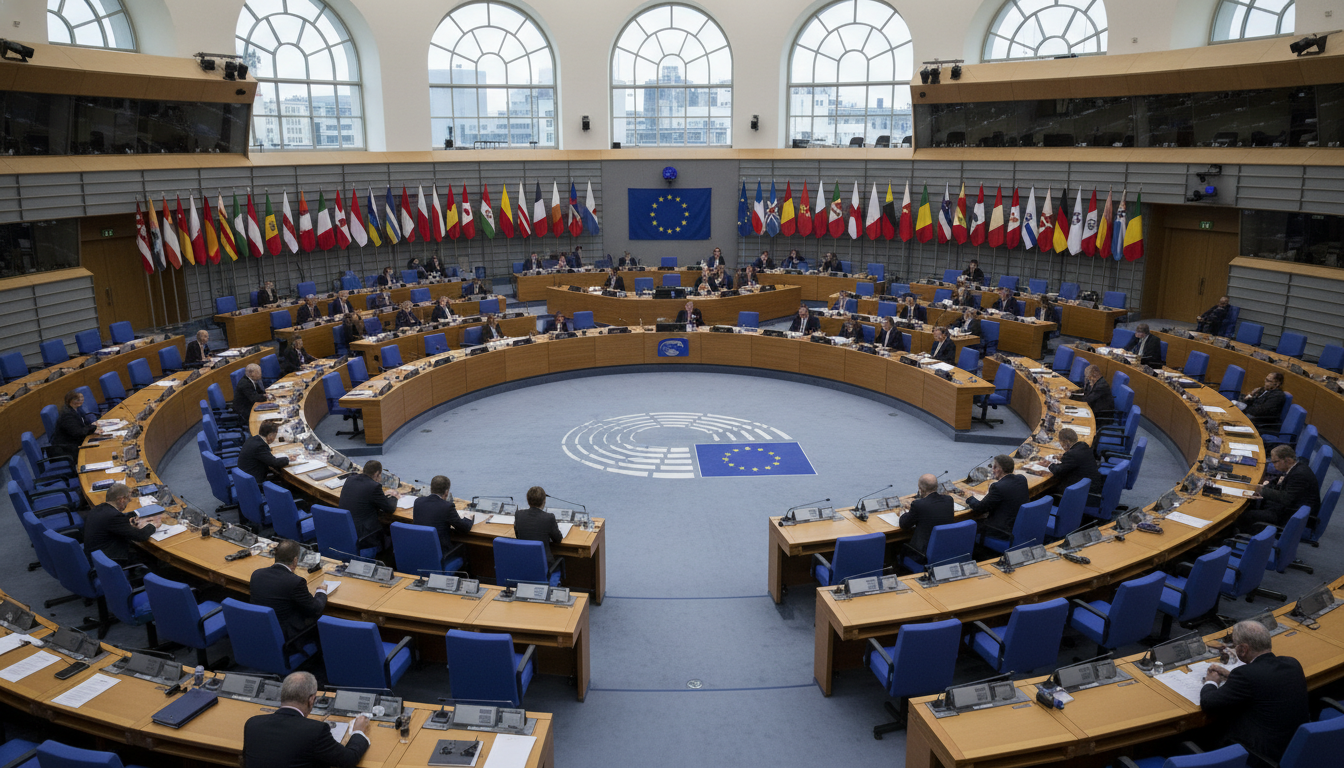
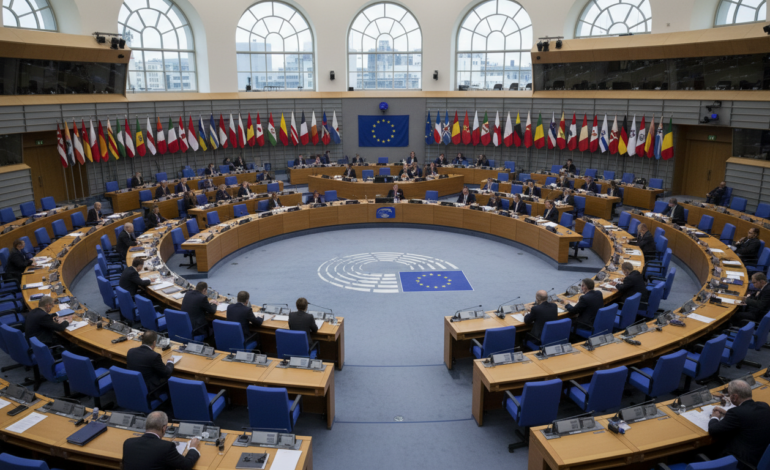
The ceremony in Brussels placed diplomacy at the center of Europe’s political week. After formal remarks, the hall turned to Vatican Secretary of State Cardinal Parolin, who framed peace as a measurable responsibility for institutions. Today, aides described his intervention as aimed at lawmakers weighing security budgets and foreign policy votes. He connected political legitimacy to protecting human dignity, warning that violence abroad can quickly reshape European streets and social cohesion. Vatican News documented his call for Europe to renew commitment to peace, linking it to patient diplomacy and attention to the vulnerable. Live reactions in the chamber showed cross party attention rather than protocol applause. The event ended with delegates filing into bilateral conversations.
Europe’s Role in Global Peace Efforts
In policy terms, the address landed as Europe debates sanctions, humanitarian corridors, and defense procurement. An Update from Vatican News emphasized that Cardinal Parolin urged Europe to pair deterrence with dialogue and sustained development support. The official account, published by Vatican News report on Parolin at the Parliament, highlighted his appeal to keep multilateral channels open amid global tensions. Today, parliamentary staff privately noted how the speech echoed the EU’s own treaty language on peacebuilding while urging moral clarity. For context on how fast crises can spill across borders, readers also tracked Hezbollah drone videos sharpen tactics against Israel as a snapshot of regional volatility. Live diplomatic scheduling followed immediately after the ceremony.
Historical Context of Peace in Europe
The intervention also drew on Europe’s memory of wars that shaped the Union’s founding logic. In Brussels, Cardinal Parolin positioned reconciliation as a policy tool, not a museum lesson, and he used peace in Europe as a standard to test current decisions. Live commentary among observers focused on whether lawmakers can translate remembrance into coherent external action. In an unrelated but timely signal of institutional ethics debates, a separate Update on governance culture can be seen in NFT ETF market performance: volumes, flows, risks, which shows how scrutiny and transparency are now expected across sectors. Today, officials stressed that history’s value lies in preventing shortcuts that trade rights for expediency. The ceremony’s language consistently returned to solidarity and restraint as the practical inheritance of Europe’s past.
Challenges Facing European Unity
Behind the ceremony’s symbolism, the political difficulty is keeping a common line among 27 governments facing diverging domestic pressures. Speakers referenced how migration, energy insecurity, and polarized elections can weaken unified action precisely when crises demand speed. In this setting, Cardinal Parolin was cited by several attendees as insisting that unity begins with protecting the person, then building policy from that premise. A parallel Vatican institutional perspective on public responsibility is reflected in Pope Leo XIV urges banks to put people first, which similarly frames economic choices as moral choices. Live briefings after the hall cleared focused on aligning humanitarian funding with security planning. Today, leaders acknowledged that internal fragmentation can undercut credibility abroad, even when intentions are serious.
Future Implications of Cardinal Parolin’s Message
The immediate implication is that the Parliament now has a fresh moral benchmark as it drafts resolutions and pressures member states on foreign policy. Participants said the speech’s test will be whether it changes committee language, votes on aid packages, or attention to diplomatic off ramps in active conflicts. Today, the central thrust of Cardinal Parolin’s remarks was that peace is built through institutions willing to choose patience over spectacle and dialogue over revenge. Another Update from Vatican communications in recent weeks has highlighted similar themes of bridge building, suggesting a consistent diplomatic line from the Holy See. Live watchers will judge impact by whether the ceremony prompts sustained cross party cooperation rather than a one day headline. The lasting measure will be whether Europe treats peace as a core competence, not a slogan.