


Uganda’s Decision Amid Ebola Concerns
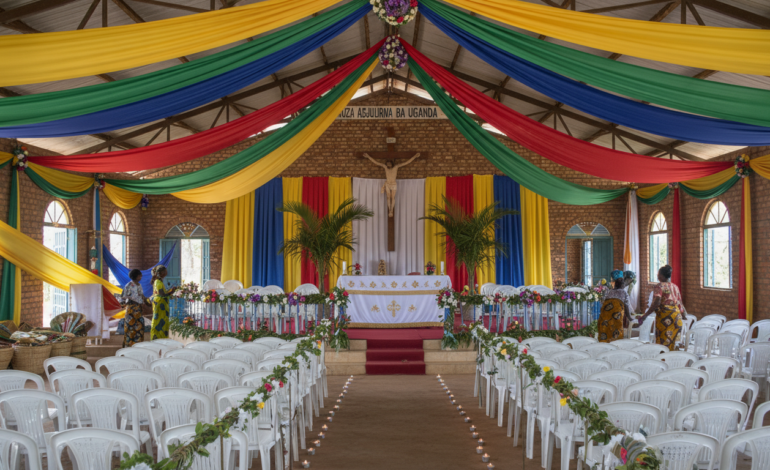
Uganda’s Catholic leadership is moving this year’s June 3 observance away from a single mass gathering and toward coordinated services at parish level. In guidance issued by the Uganda Episcopal Conference and summarized by Vatican News coverage of the bishops’ guidance, bishops encouraged dioceses to organize local liturgies and catechesis in place of large-scale central events. Church communicators said Today the aim is to keep worship accessible while reducing travel and crowd density for pilgrims. The bishops framed the change around Ebola concerns and general health vigilance, while urging parishes to keep devotional practices intact. Live coordination between diocesan offices and parish teams is being emphasized to avoid last-minute congestion.
The Importance of the Uganda Martyrs
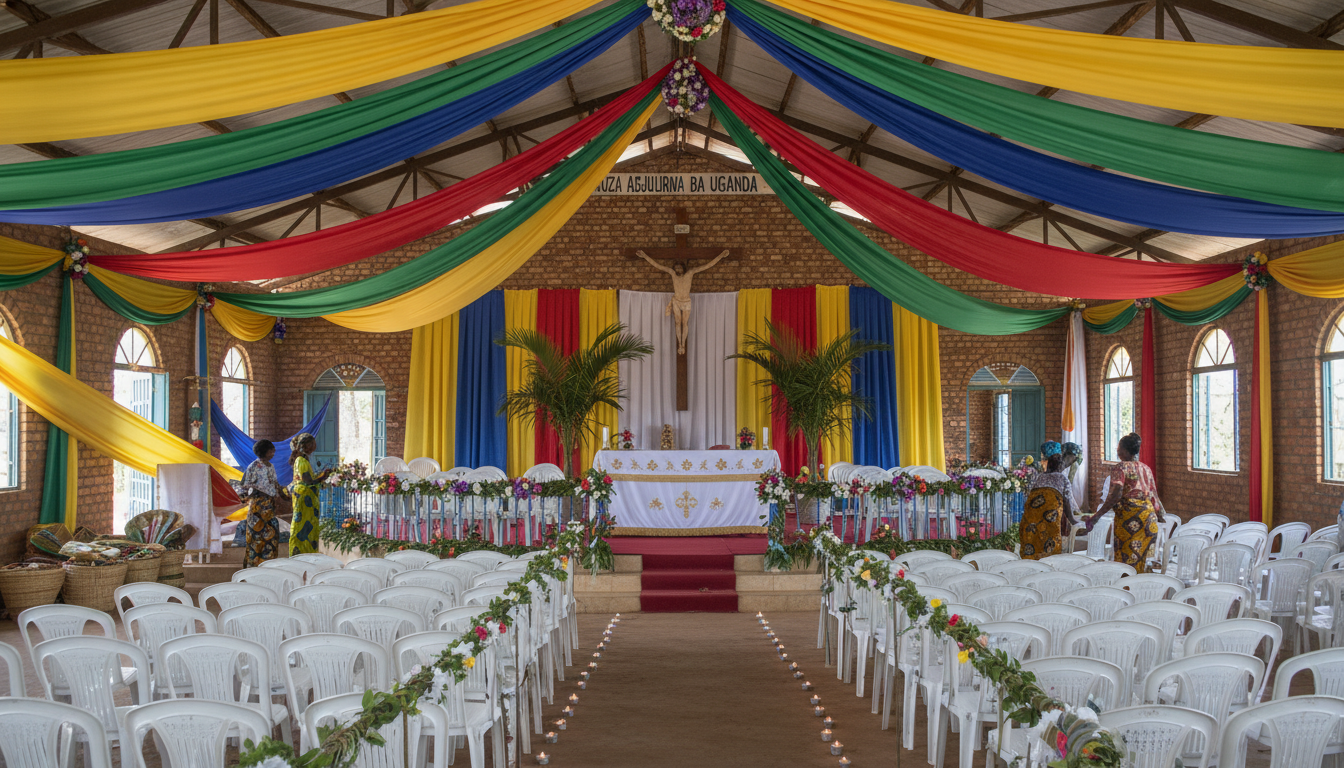
Church leaders are trying to protect the meaning of martyrs day in uganda while changing how people participate. Clergy briefings to parish councils stress that the witness of the martyrs remains central, even if travel to the main shrine is limited this year. In the same Vatican News report, the Uganda Episcopal Conference described the parish model as a pastoral choice that keeps prayer close to families and reduces logistical strain, and communicators tied it directly to Uganda Martyrs Day. Organizers are circulating an Update explaining how readings, homilies, and veneration can be replicated locally without diluting the feast. Communications teams say Live broadcasts from selected diocesan liturgies may still be used for the homebound, but the main message is to celebrate where Catholics regularly worship. Today parish registers are being used to map attendance and manage capacity.
How Local Parishes are Preparing
Across dioceses, parish priests are being asked to submit practical plans for June 3 that include crowd management, water access, and coordinated confession times. A key logistical note is that Uganda Martyrs Day services should be scheduled to spread arrivals and prevent queueing outside church compounds. For background context on cross-border Ebola pressures in the region, some parish leaders have referenced a regional brief such as DR Congo Ebola response strained conflict zones as they explain why prevention matters. Health committees are also working with local authorities, and communications desks are issuing an Update for choirs and altar servers on safe rehearsal routines. Separately, diocesan media teams are watching Live engagement to counter rumors and to clarify that sacraments remain available. Coordination memos circulate Today through parish WhatsApp groups.
Public Reaction and Community Involvement
In Kampala and upcountry towns, many families are welcoming the cost savings of shorter travel, while some habitual pilgrims are expressing disappointment about reduced access to uganda martyrs day namugongo. Parish councils say the new model still creates a communal sense of pilgrimage by organizing processions within local boundaries and by inviting neighboring congregations to shared liturgies. A diocesan social media Update has also pushed people to verify announcements through official channels, and several vicariates are planning Live radio catechesis in local languages. One parish communications officer said Today that smaller gatherings make it easier to ensure orderly entry and to prioritize the elderly. Some church leaders are also pointing to wider Vatican planning norms on mission and pastoral outreach, linking the local approach to broader ecclesial coordination as seen in Pope Leo XIV lauds Extension Society mission work. The goal remains unity without overcrowding.
Future Implications for Church Celebrations
The bishops’ decision is likely to influence how Uganda plans other high-attendance feasts, especially when public health constraints intersect with transport, security, and pastoral care. Analysts inside diocesan planning offices say the parish model could become a template for years when resources are stretched, including a possible hybrid approach for uganda martyrs day 2025 style travel patterns, but applied more evenly across dioceses. Officials emphasize that any long-term shift would depend on conditions and on clear directives from the episcopal conference, not ad hoc local choices. In church administration terms, the biggest lesson is data, parishes can track turnout, staffing, and incident reports and share an Update with diocesan coordinators in Kampala. Live monitoring of crowds may also improve safeguarding and emergency response. Today the conference’s priority is keeping devotion strong while making celebrations more resilient.