

Curial Reform After a Decade: Has Centralized Oversight Strengthened Vatican Accountability?


Why has centralized oversight strengthened Vatican accountability matters now
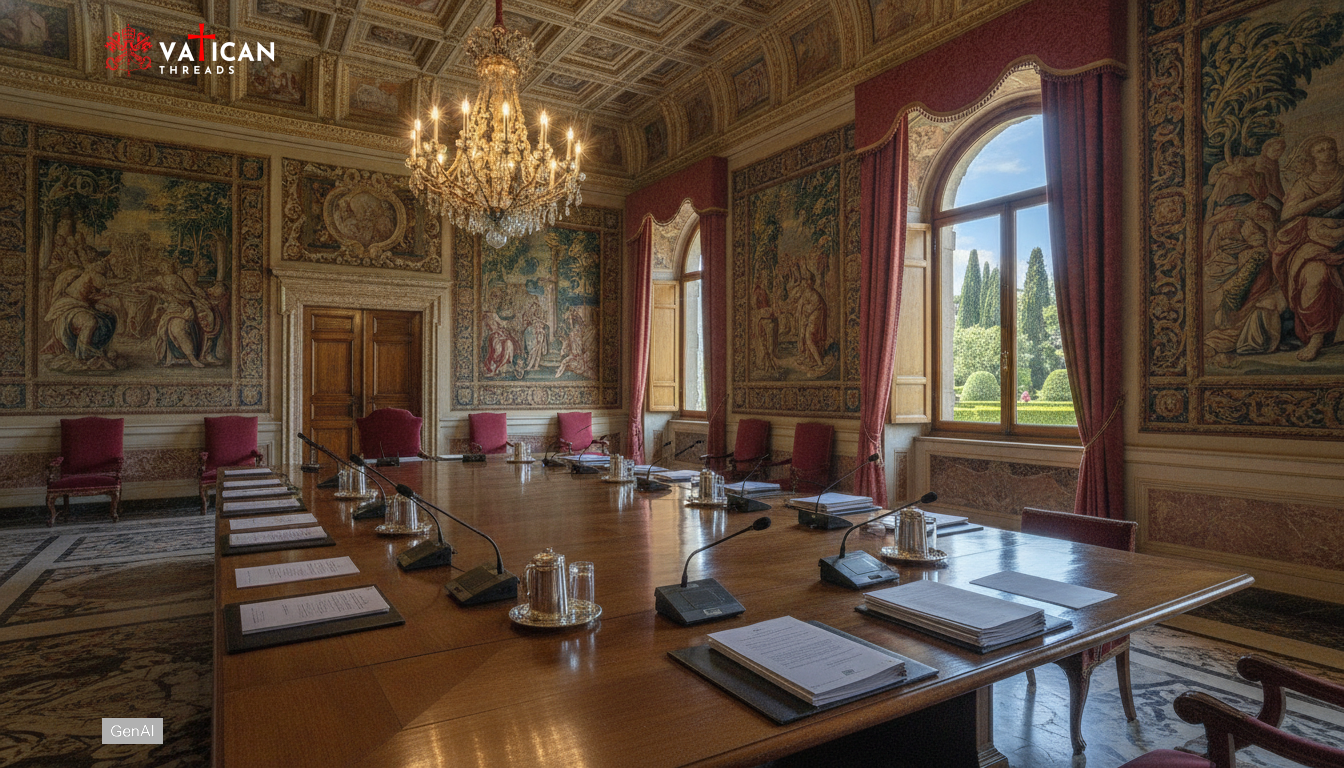
Nearly a decade after the most ambitious phase of modern Curial reform began, the question in 2026 is no longer whether restructuring was necessary but whether centralized oversight has tangibly strengthened accountability. The Roman Curia, as the administrative engine of the Catholic Church, operates at the intersection of doctrine, diplomacy and finance. Reform initiatives aimed to reduce fragmentation, improve financial controls and clarify lines of authority. For global observers of governance systems, the Vatican presents a distinctive model: a sovereign religious institution adapting administrative structures to contemporary expectations of transparency and compliance.
The reform trajectory accelerated with the consolidation of financial supervision under the Secretariat for the Economy and the strengthening of internal auditing mechanisms. Previously, financial management and operational authority were distributed across multiple offices with varying reporting standards. Centralization aimed to harmonize procedures and eliminate duplicative structures. The promulgation of updated governance norms under Pope Francis laid the groundwork for clearer accountability channels. Budget planning, procurement processes and investment decisions were gradually integrated into standardized frameworks. By 2026, this architecture appears more stable, with fewer ad hoc exceptions and more formal documentation requirements.
The Church context around has centralized oversight strengthened Vatican accountability
Financial accountability was a central motivation behind reform. High profile controversies earlier in the decade stressed the need for stronger internal controls. Today, oversight bodies coordinate closely with administrative departments to ensure compliance with budget ceilings and reporting standards. Periodic summaries disseminated through Vatican News reflect a commitment to greater transparency. While disclosure remains aggregated rather than granular, the regularity of reporting has improved. For analysts, consistency is a meaningful indicator of governance maturity. Centralized oversight reduces the risk of parallel decision-making and clarifies responsibility in cases of procedural deviation.
Reform also extended beyond financial matters. The reorganization of dicasteries into broader thematic clusters aimed to streamline decision-making. Integration between pastoral offices and administrative services has aimed to improve coordination. Clear communication channels within the Curia contribute to institutional coherence. When authority is centralized, internal alignment becomes easier to monitor. Leadership appointments reinforce this structure by assigning defined mandates and performance expectations. Governance effectiveness therefore depends not only on legal statutes but also on managerial execution.
The human stakes behind has centralized oversight strengthened Vatican accountability
Centralization carries reputational implications. International observers often evaluate the Vatican against governance benchmarks applied to nonprofit institutions and small sovereign entities. Demonstrable oversight mechanisms strengthen credibility in diplomatic and financial interactions. Cooperation with international compliance standards has further signaled alignment with global norms. Nevertheless, centralization alone does not guarantee accountability. Effective oversight requires independent review and consistent enforcement. The sustainability of reform depends on institutional culture as much as structural design.
The moral question inside has centralized oversight strengthened Vatican accountability
Despite progress, challenges persist. The Vatican’s unique legal status and mission-oriented objectives complicate comparisons with secular administrations. Balancing doctrinal priorities with managerial efficiency remains delicate. centralized authority must avoid excessive rigidity that could hinder responsiveness. Accountability thrives when oversight is paired with adaptability. The decade long reform process has built infrastructure, but continuous evaluation remains essential.
What has centralized oversight strengthened Vatican accountability signals next
A decade after the acceleration of Curial reform, centralized oversight has strengthened procedural clarity and financial discipline within the Vatican governance structure. While challenges endure, the consolidation of authority under defined frameworks has enhanced accountability and improved external confidence. Sustained transparency and consistent enforcement will determine whether this governance model still mature in the years ahead.