

Bishop Scott McCaig and Canada’s neutrality debate
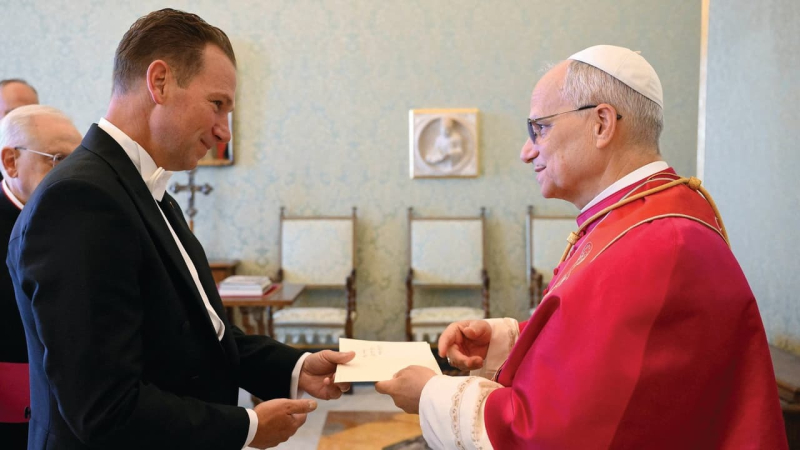
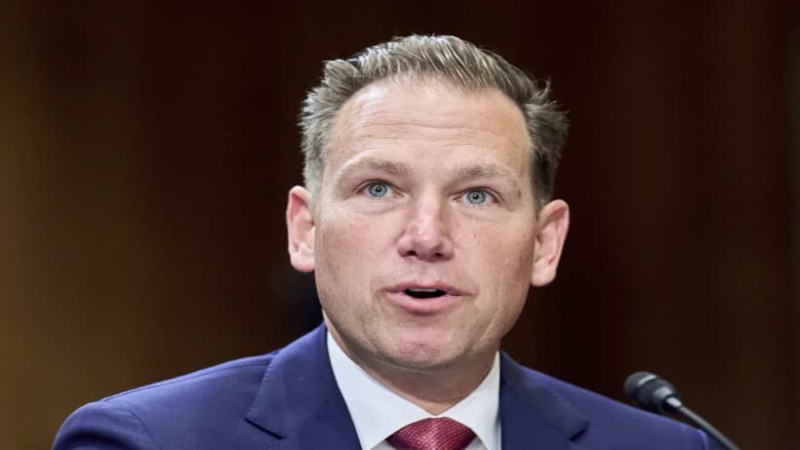
McCaig is urging Canadian officials to clarify how state neutrality is applied when faith communities engage public institutions, according to a 2026 Vatican News interview. In that interview, he argued that policies described as neutral can, in practice, restrict conscience and religious expression. He pointed to situations where some public bodies may prefer silence about faith over accommodation, which he said can produce unequal treatment. Vatican News framed his remarks as a warning that rights can be narrowed through administrative directives rather than legislation. Bishop Scott McCaig also said Catholics should not be asked to separate worship from civic participation because service and witness remain linked in Catholic social teaching, as he described it.
Policy details raised by Bishop Scott McCaig
In the Vatican News report, McCaig connected the tension to how governments interpret neutrality in schools, health care, and civil service employment. He said the issue is not whether the state should avoid endorsing a faith, but whether it can still allow believers to act openly within the law. Vatican News also referred generally to workplace and institutional rules that can limit visible religious symbols or constrain faith-based speech, without listing specific Canadian policies in that summary. For the core interview and wording, see Vatican News report on state neutrality and religious freedom. As another example of how oversight language can change outcomes across sectors, UK Lords and the AI Kill Switch Debate on AI Safety shows how definitions shape enforcement.
How restrictions affect religious practice
In the interview, McCaig described potential impacts that go beyond symbolism, including whether Catholic staff can speak about faith-informed ethics in professional roles. He said restrictions can chill participation in chaplaincy, patient care, or school life when employees fear discipline for ordinary religious expression. He also linked the issue to wider disputes in religious freedom reporting, where neutrality is sometimes cited to justify limits on public worship or religious education, in his view. Related Vatican context on civic and cultural pressure appears in Pope Leo XIV urges Church to unmask contradictions now. McCaig argued that analysis should distinguish between preventing coercion and preventing visibility, because the latter can change how believers live their faith day to day.
Interfaith committees and practical advocacy
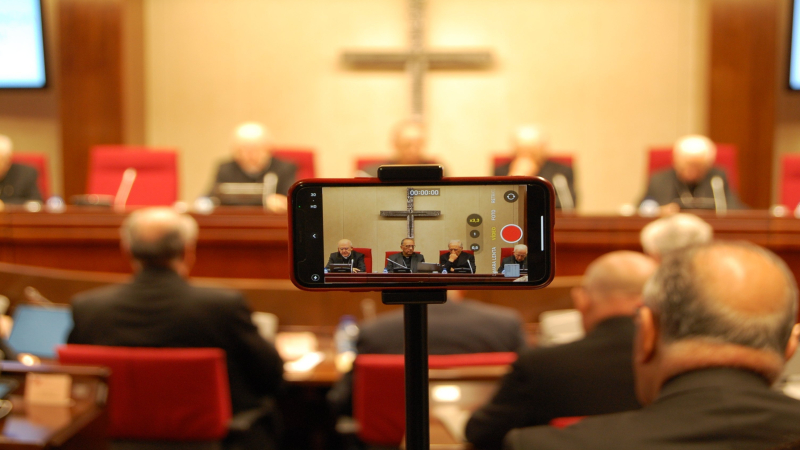
McCaig highlighted practical work interfaith bodies can do when governments consult on neutrality and rights, according to Vatican News. He said committees that include Catholics, other Christians, Jews, Muslims, Sikhs, and other communities can identify where policy language may unintentionally penalize daily religious practice. Vatican News linked his approach to coalition building focused on shared constitutional protections rather than sectarian demands. Bishop Scott McCaig said interfaith discussion helps when it produces concrete scenarios for policymakers, including employment standards, school policies, and health care codes. He also emphasized that internal Church formation matters so clergy and lay leaders can explain accommodation claims in legal terms, not only devotional language, a theme echoed in Vatican bishops formation course in Rome trains new leaders.
What comes next for Canadian Catholics
According to available reports in the 2026 Vatican News interview, McCaig urged Canadian Catholics to engage public consultations and court-tested policy reviews with disciplined argumentation. He said the strongest case for accommodation is rooted in demonstrable public benefit, including education, health care, and social services delivered by faith-based institutions. For a separate look at how public institutions weigh modern governance questions, see Vatican AI conference weighs AI’s impact on culture. He also urged clarity about boundaries, noting that neutrality can protect pluralism when it prevents the state from favoring one worldview over another. Vatican News presented his view as a call to defend space for visible belief without demanding state endorsement. McCaig argued the decisive issue will be whether officials treat religious identity as protected in practice, not only in statutes.