




Inclusive Church Governance: What the Rome symposium set out
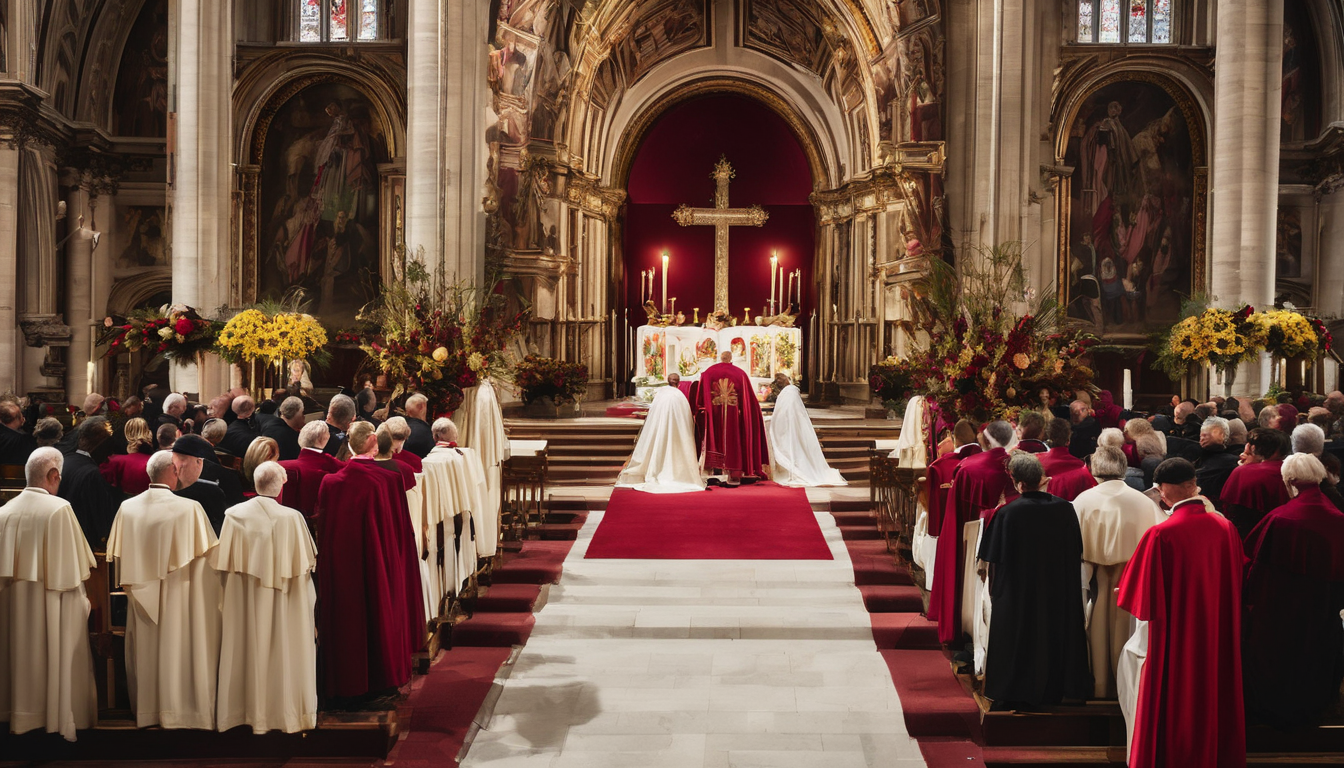
It was described as the aim of a Rome symposium that, according to Vatican News, concluded in June 2026. As summarized by Vatican News, the meeting discussed making decision making more accountable across dioceses and Vatican offices through clearer written responsibilities, documented consultation, and consistent oversight, with Inclusive Church Governance treated as a practical benchmark rather than a slogan. Speakers stressed that procedures must be practiced, not simply announced, and that participation depends on who is heard, how records are kept, and how conflicts of interest are handled. The Synodal Church framework was presented as a practical discipline of discernment, with formation for clergy and lay collaborators so consultation is not treated as optional. Closing interventions were framed as implementation being a pastoral duty rooted in service.
Accountability and synodality: lessons for Inclusive Church Governance
At the symposium, experts emphasized that synodality can change governance culture by requiring discernment that is structured, documented, and reviewable. According to Vatican News summaries, a recurring theme was a distinction between advisory consultation and co-responsibility, with the view that clearer mandates can help prevent confusion at parish and diocesan levels. A key reference for attendees was the Vatican News interview and report, Inclusive Governance in a Synodal Church Symposium concludes in Rome, which as reported by Vatican News underscored transparent processes and real participation, and this emphasis on Inclusive Church Governance was echoed in multiple interventions. Organizers also compared Church oversight needs with other complex institutions where audit trails and risk controls support accountability under scrutiny. That cross-sector lens echoes themes discussed in Non-fungible Tokens: Market Trends, Uses, and Risks on governance expectations.
How dioceses can implement synodal governance
According to the Vatican News account, implementation sessions moved from principles to operational steps, including standard consultation timelines, published mandates for councils, and decision records that can be reviewed. Facilitators said it works best when responsibilities are mapped across parish, diocesan, and curial levels, reducing informal gatekeeping that can silence needed expertise, and Inclusive Church Governance was discussed as the intended outcome of those mapped responsibilities. Presenters were described as urging leaders to build formation pathways so lay professionals understand canonical limits while clergy learn collaborative management and accountable delegation. For readers tracking related Vatican discussions on oversight and auditable standards, a parallel set of institutional safeguards is discussed in Vatican health data ethics: standards for research. Participants also emphasized listening structures that protect minority viewpoints while maintaining unity of authority and mission focus.
Obstacles raised: resources, centralization, and measurable change
In the Vatican News report, delegates were described as candid about obstacles that can derail reform, especially when local cultures treat consultation as a formality rather than a real step in discernment. Several interventions were reported as describing uneven resources across dioceses, with warnings that participation can become symbolic unless training and administrative support are funded and sustained, and the June 2026 discussions in Rome were cited as highlighting this gap. Vatican News also reported concerns about two opposing risks: over-centralization, where decisions are escalated unnecessarily, and fragmentation, where norms vary so widely that accountability disappears. Panelists proposed practical correctives such as regular reporting, clear conflict-resolution pathways, and written delineations of authority for clergy and lay offices. The overall takeaway was presented as transparency being pastoral because it can reduce suspicion, clarify responsibility, and help protect vulnerable people.
Next steps after Rome: sustaining reforms in local churches
In concluding reflections described by Vatican News, organizers framed the next phase as a disciplined rollout of the practices discussed in Rome, with expectations that local churches translate proposals into policies suited to their contexts. Several speakers referenced Pope Leo XIV’s emphasis on service-oriented leadership and formation, urging that reforms be paired with spiritual discernment so structures do not become self-referential, and Inclusive Church Governance was described as the practical test of that pairing. Participants said the Synodal Church approach will be tested by how consistently feedback is gathered, how disagreements are resolved, and whether decisions are communicated in plain language to the faithful. Readers following Pope Leo XIV’s broader agenda on leadership and formation may also note related coverage in Pope Leo XIV Madrid visit: Faith Revival Tour Ahead. Vatican News emphasized the symposium’s aim as a sustained method, not a one-time event.