

Pope Leo XIV’s Visit to Spain: A Prelude to Montecassino
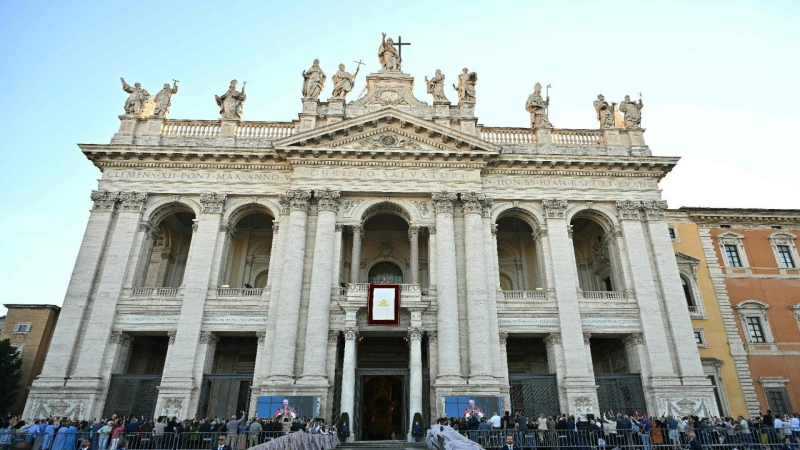
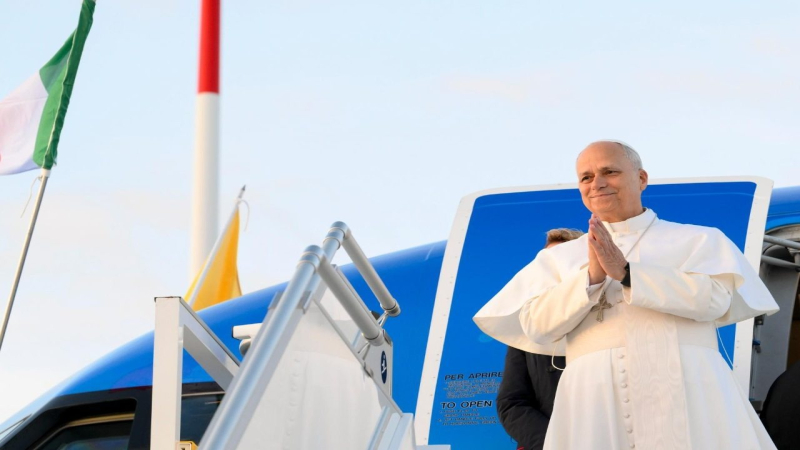
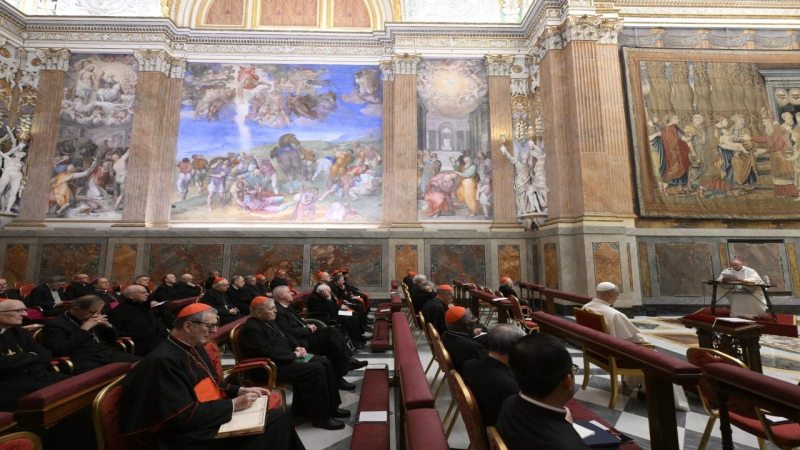
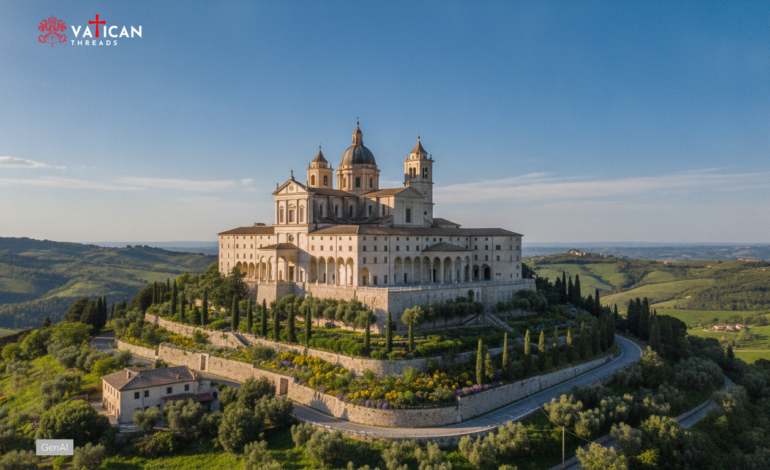
The visit of Pope Leo XIV to Spain highlights his European priorities, particularly his consistent appeal for reconciliation and practical peacebuilding. According to available reports from Vatican News on 10 July 2026, the Pope traveled to Montecassino Abbey for prayer and a public plea for unity. The visit was part of a broader sequence of engagements in the region. The Pope’s emphasis was on a pastoral approach, urging conversion of heart, responsible civic action, and protection of the vulnerable. His remarks at Montecassino connected peace to memory, asking societies to learn from places marked by suffering and reconstruction.
Integrating the Spain Visit into a Broader Itinerary
When viewed alongside Montecassino, Pope Leo XIV’s visit to Spain is part of an itinerary focused on dialogue, historical awareness, and religious witness in public life. Vatican News indicated that the Montecassino visit fits within a wider pattern of travel and appearances, aiming to reinforce spiritual and diplomatic priorities. For readers interested in related events, see Pope Leo XIV honored at Castel Gandolfo concert for another recent occasion where public presence and pastoral messaging joined together. In contrast, a separate portal explainer on XRP’s Current Price: Key Catalysts and 2026 Outlook highlights how audiences expect clear context and continuity across occasions.
Prayers at St. Benedict’s Tomb and Benedictine Traditions
During his time at the abbey, the Pope’s visit to the tomb of St. Benedict was depicted as a return to spiritual basics focused on prayer and work. Vatican News reported that he prayed at the saint’s resting place within Montecassino, emphasizing a tradition of stability, communal discipline, and hospitality as solutions for social division. The monastic environment, known for silence and ordered life, bolstered his argument that peace starts with moral choices and sustained practices rather than mere slogans. For the official account, see Vatican News report on Montecassino prayer. Related Vatican diplomacy topics are also examined in Archbishop Gallagher Ukraine visit presses just peace.
Montecassino’s Historical Significance and the Pope’s Peace Call
The history of Montecassino as a site of peace is intertwined with its legacy of destruction and renewal, making it a suitable setting for the Pope’s peace appeal. Vatican News emphasized prayer as a foundational act of peacebuilding at a site associated with order, learning, and resilience. In this context, the Pope’s language encouraged governments, institutions, and families to reject violence and embrace actions that safeguard human dignity. The mention of Pope Leo XIV’s visit to Spain served as a continuity marker: his broader agenda underscores locations where memory can instruct conscience rather than ignite grievances, and where religious communities exemplify endurance and service.
Local Impact: Monks, Pilgrims, and Daily Actions
For the monks and local faithful, the immediate impact was pastoral, redirecting focus to the abbey’s mission as a place of listening and reconciliation. Clergy present described the day as a reminder that the Benedictine rule can serve as a societal framework of restraint, mutual assistance, and steady work. According to Vatican News, the Pope’s call for peace was intended to be realized through everyday choices, such as welcoming pilgrims and enhancing charitable activities. While Pope Leo XIV’s Spain visit provided the background context, Montecassino demonstrated how communities convert public messages into education, hospitality, and support for stressed families. A related discussion on institutional ethics and public policy pressures is available in Catholic Church governance tested by France end-of-life law.