
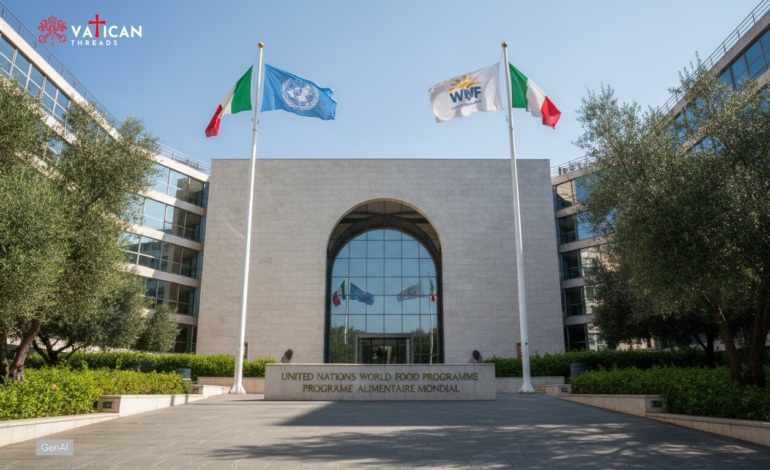

Pope Leo XIV Visits WFP Headquarters
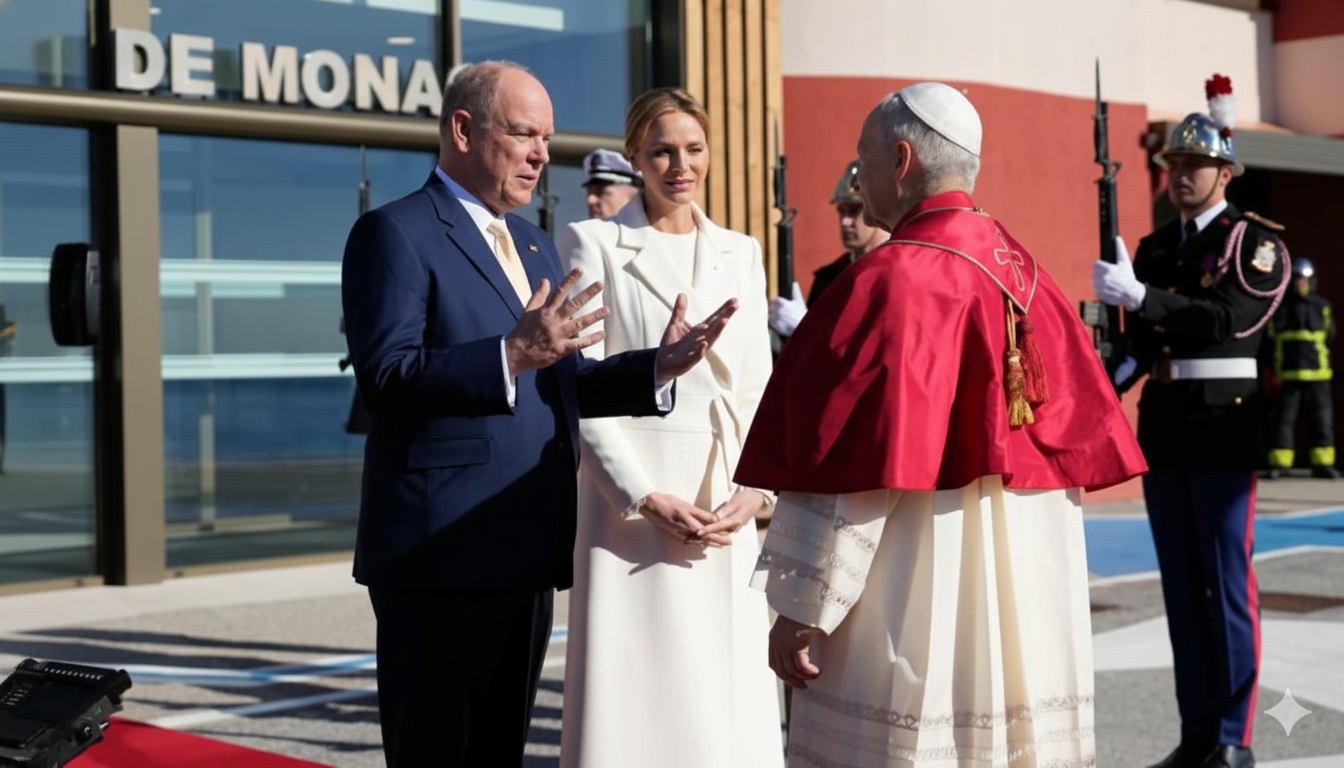
According to Vatican News, Pope Leo XIV visited the UN World Food Programme headquarters in Rome in June 2026 to highlight how conflict-driven hunger can be intensified by decisions that restrict access, funding, and safe delivery routes. In remarks reported by Vatican News, he indicated that conflicts may be “fed” more readily than people are nourished, framing starvation risks as preventable when humanitarian law is respected. He urged governments and armed actors to treat food corridors, warehouses, and convoys as protected lifelines, not bargaining tools. The visit, as described by Vatican News, underscored the Vatican’s support for operational humanitarian work that depends on predictable permissions, secure logistics, and sustained resources reaching civilians.
What the Pope Told WFP Leaders
In the same Vatican News coverage, Pope Leo XIV’s message was presented as both ethical and practical, stressing the gap between international pledges and aid that actually arrives. A WFP representative interviewed by Vatican News said food assistance is often “a matter of life or death,” and noted that brief interruptions can push families into acute hunger. For the Vatican News coverage of the visit and its central warning about conflict and hunger, see the report on the June 2026 WFP meeting. The pope’s focus, as reported, was on enabling delivery: restraint by parties to conflict, reduced intimidation at checkpoints, and prevention of diversion. He argued, according to that report, that protecting civilians starts with keeping humanitarian space open.
Protecting Aid Access and Civilians
As summarized by Vatican News, operational access was a recurring theme, including the safety of staff, the integrity of beneficiary lists, and the security of storage sites. The pope called for accountability when aid is blocked, looted, or manipulated, and he pointed to states’ duties under humanitarian law and the responsibility of decision makers to prevent deprivation being used as a weapon, according to the same reporting. For context on how infrastructure pressures can strain systems under wider stress, a separate policy lens is explored in AI Electricity Consumption Forecasts: Power Use to 2050, which tracks rising demand and constraints. The emphasis stayed concrete in that account: secure routes, predictable permissions, and financing that supports last-mile delivery.
Renewed Multilateralism in Humanitarian Response
According to Vatican News, Pope Leo XIV also appealed for multilateralism that functions beyond statements, especially when front lines shift and access windows close quickly. Coordination among states, UN agencies, and local partners was presented as essential to keep food and nutrition pipelines running. Related Vatican messaging on responsible public choices is reflected in Pope Leo XIV Technology Message Urges Responsible Use, which echoes the same insistence that systems serve human dignity. The pontiff argued, as reported, that credible international action requires truthful needs assessments, transparent donor decisions, and monitoring that protects neutrality. The WFP visit applied that principle directly to hunger and conflict settings.
What Comes Next for Global Hunger Efforts
As framed by Vatican News, the visit signaled what the Holy See expects next from governments and institutions: commitments that outlast media cycles and political turnover, along with measurable improvements in humanitarian access. Additional Vatican coverage on Pope Leo XIV’s broader diplomatic engagements can be found in Pope Leo XIV Meets with President of Peru at the Vatican. Vatican News presented the pontiff’s view that feeding people is not secondary to security policy but a stabilizing condition that can reduce exploitation and forced displacement. He also pointed, according to the same coverage, to partnerships that endure when formal systems strain, including faith-based and community networks with long-term presence. The WFP stop positioned the Vatican, as described in the reporting, as an advocate for humane choices in crises.