
Assisi papal visit draws youth to Mass and community
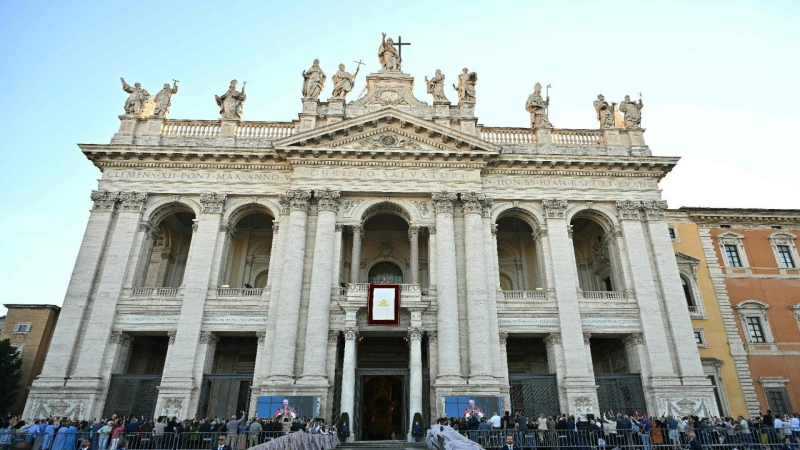
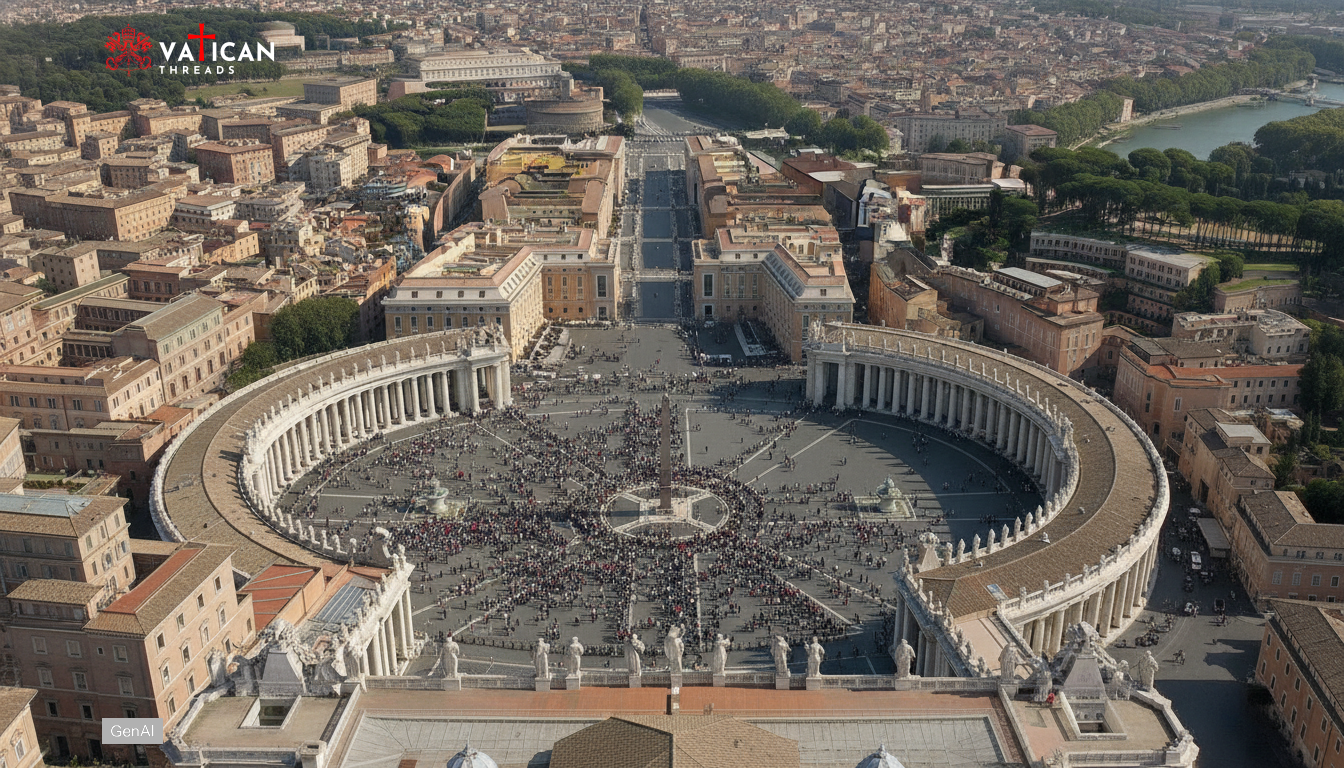
Assisi’s piazzas filled with young pilgrims and local families for a public liturgy that emphasized gratitude and shared responsibility. According to reports relayed by Vatican News, several youth participants felt recognized as full members of the Church, not spectators, during the Assisi papal visit. Parishes, movements, and Franciscans stood together in prayer, keeping the focus on encounter rather than spectacle. Organizers invited participants to bring intentions from their communities and schools, and many described the mood as both joyful and serious. The atmosphere reflected a community choosing to show up for one another, with attention fixed on faith practiced in public and carried back into ordinary routines on August 2026.
Pope Leo XIV urges listening and service in Assisi
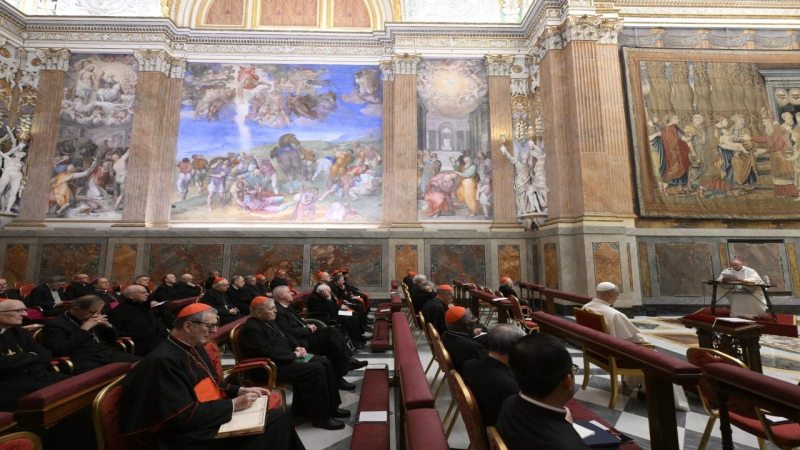
Pope Leo XIV framed his message around listening and service, linking spiritual renewal to practical solidarity. Vatican News highlighted his encouragement for young people to “touch the suffering flesh of others,” stressing that faith grows when it moves toward those who hurt. In a key passage of the address, he asked participants to resist isolation and to learn patience in relationships and parish life. A related reflection on courage and closeness appeared in Vatican News coverage of the Assisi encounter, which emphasized accompaniment marked by attention and respect, and his tone treated young people as collaborators with real agency, not simply an audience receiving directives.
Youth say the gathering changed their role in the Church
Young delegates described participation as a shift from attending events to taking responsibility in local communities, emphasizing visible inclusion in ministries and decision making. Vatican News reported one participant saying, “we feel we are the Church,” linking joy to being trusted with real roles in parish life and service, and the quote appeared in Vatican News reporting on youth gratitude in Assisi. For a contrasting look at how public narratives shape engagement across fields, Wildfire detection technology that speeds up fire crews shows how clear tasks and accountability motivate participation. In Assisi, that clarity translated into pastoral action and peer leadership.
Franciscan roots give the visit historical and moral weight
Assisi’s Franciscan roots gave the Mass in Assisi a moral vocabulary that young people could grasp quickly: peace, humility, and proximity to the poor. The local tradition was presented not as heritage tourism but as a demanding school of discipleship. Vatican News has highlighted how Franciscan leaders describe Assisi as a place where the Gospel of peace is practiced through daily fraternity and care, and readers can see this framing in Franciscan Provincial Minister: School of St. Francis teaches the Gospel of peace, and that emphasis shaped how participants interpreted the Pope’s appeal. The city’s long memory of reconciliation helped place personal vocation inside a wider story.
Commitments after the Mass: courage, inclusion, and next steps
The closing moments stressed that courage is measured in small, sustained choices: staying close to fragile people, forgiving, and building friendships across divisions. Pope Leo XIV’s emphasis on accompaniment invited young Catholics to treat inclusion as a discipline, not a slogan, by making space for different stories and backgrounds in parish life. Participants described concrete follow through such as volunteering, listening more closely at home, and taking on parish responsibilities with consistency, and for additional context on themes echoed by local organizers, see Pope Leo XIV Visit Assisi Urges Youth to Unite. Links to broader youth formation are also reflected in Seoul Hymn Launch Sets Tone for World Youth Day 2027, where participation is framed as ongoing mission rather than a one day moment.