
Encyclical of Pope Leo XIV: What It Emphasizes
The encyclical of pope leo xiv is widely discussed as a practical guide to Christian charity and hope, with recurring attention to human dignity and local action, according to commentary and coverage summarized by Vatican-focused outlets. Some Vatican observers have suggested that his early public gestures mirror this approach, stressing presence, restraint, and closeness to ordinary people rather than spectacle. While the full text is a formal teaching document, the themes most often highlighted in public discussion include mercy expressed in concrete acts, prayer that leads to service, and renewal that starts in parishes, families, and neighborhoods. These emphases are also part of how some Catholics and commentators described his early July 2026 appearances and messaging.
Core Themes: Mercy, Hope, and Human Dignity
In commentary about the document, some clergy and Vatican watchers have emphasized three recurring pillars: practical mercy, hope amid social pressure, and the dignity of every person. Supporters have also used the phrase “pope leo xiv magnifica humanitas” as an informal summary of what they see as his repeated stress on the value of each human life, though this slogan is not presented here as an official Latin motto. Related coverage of his July priorities, including the Church’s public prayer focus, has been cited by commentators as reinforcing this reading of the encyclical of pope leo xiv in daily practice; for context on how those themes are being presented to Catholics in day-to-day life, see Pope Leo XIV prayer intention for July: respect for life.
Castel Gandolfo Visit as a Case Study
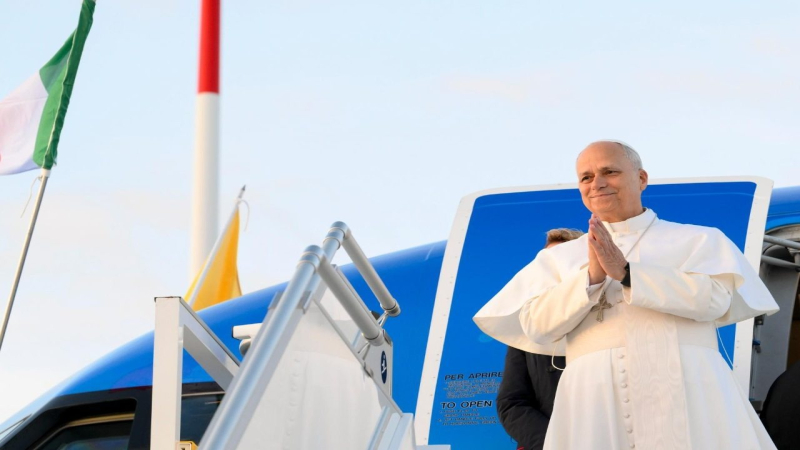
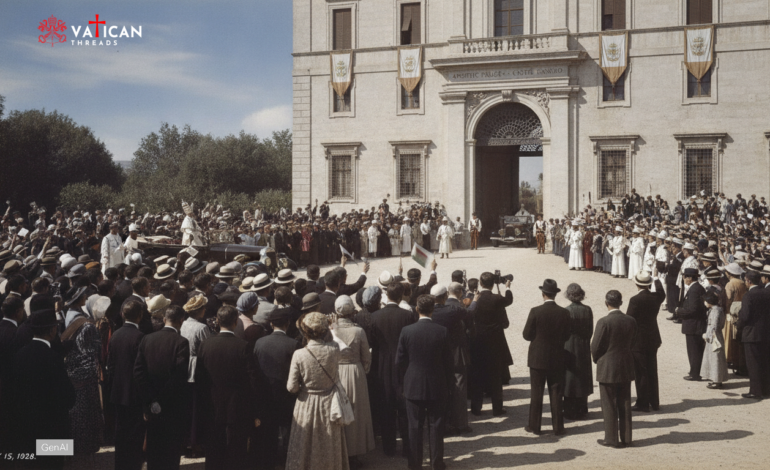
According to available reports from Vatican News, on 6 July 2026 Pope Leo XIV arrived in Castel Gandolfo and greeted residents and pilgrims gathered near the papal villa and along the approach route. Vatican News described the reception as warm, with the Pope pausing to acknowledge people at close range and moving at a deliberate pace to remain visible to the crowd. Some observers and subsequent commentary treated the event as an example of his broader pastoral priorities, interpreting it as a preference for proximity over ceremony. For a comparable lens on how leaders translate broad principles into concrete decision making, readers can also see ENJ Rally and NFT Investments: Managing Risk.
Remarks to the Faithful and Practical Application
In a short address during the Castel Gandolfo greeting, Vatican News said the Pope thanked the faithful for their welcome and asked for prayers for the Church and for families living under pressure. In reporting around the moment, some coverage treated the document as a reference point for everyday mercy—care for neighbors, attention to the vulnerable, and the discipline of prayer that becomes service—rather than as an abstract text; details of the greeting and setting were covered in Vatican News coverage of the Castel Gandolfo arrival. Vatican News also described the setting and the Pope’s continued greetings to those nearest the barriers.
How the Encyclical Fits His Wider Schedule
According to reporting summarized in Church and Vatican-focused coverage, officials indicated that the days in Castel Gandolfo would include prayer, limited meetings, and time reserved for rest, with scheduling handled quietly to avoid crowd pressure. In the wider Vatican calendar, commentators have also read the teaching priorities associated with the encyclical alongside preparations for major Church discussions, where family life and pastoral practice are often presented as central topics; for related reporting and background, readers have followed Pope Leo XIV consistory: Colombia meeting and outlook and Amoris Laetitia Sets Agenda for October Family Meeting. This broader context is frequently used by commentators to frame how the encyclical’s call for renewal might translate into concrete local action.