


Europe Christian roots and Pope Leo’s call to unity
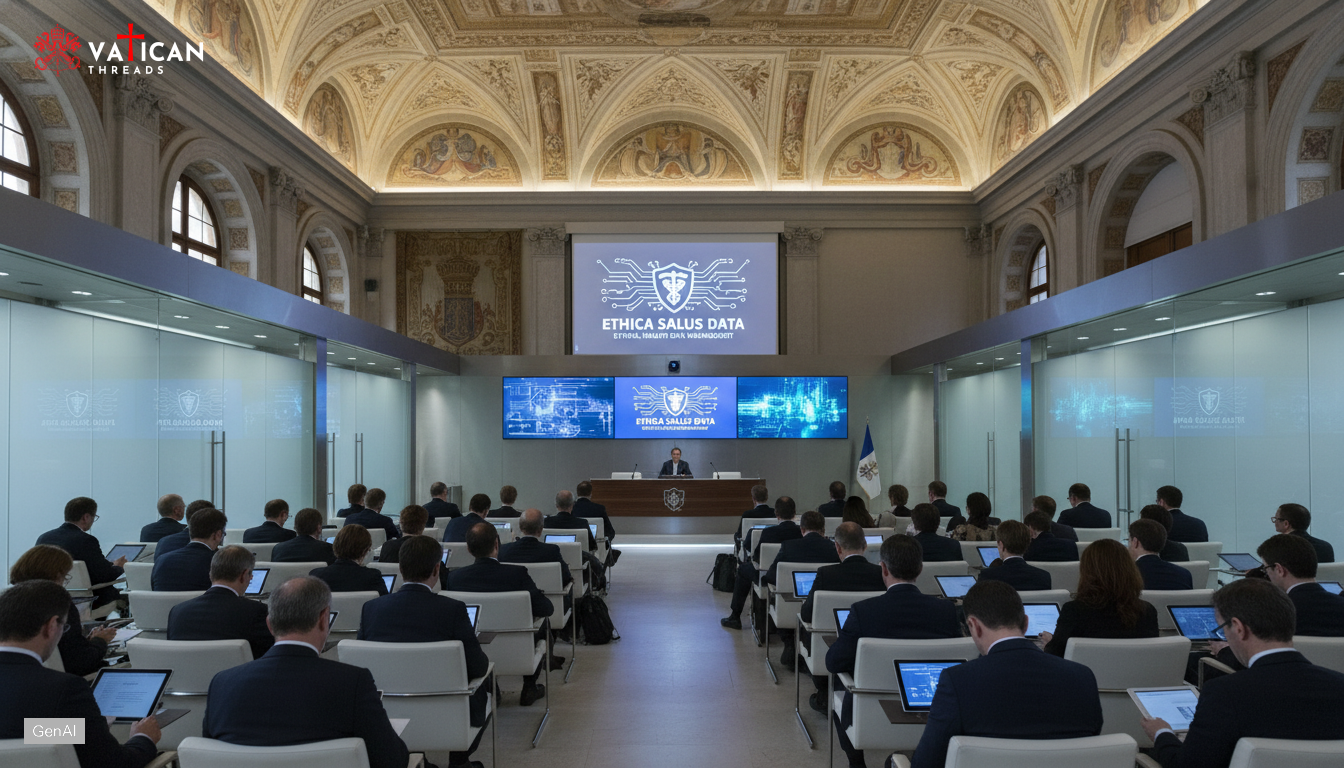
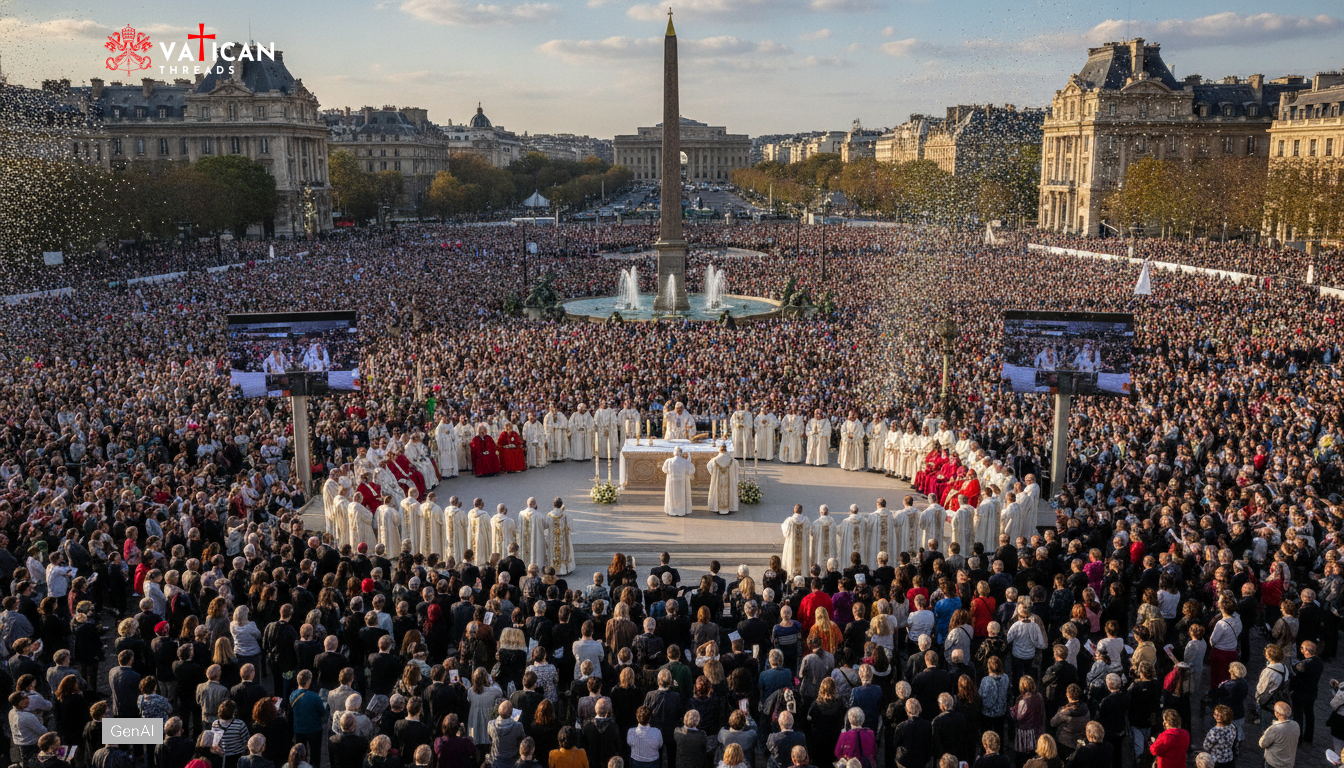
Pope Leo XIV framed European unity as a moral project, not only a political one, and he linked that unity to Europe Christian roots as a shared source of memory and responsibility. He warned that unity can fail when it becomes purely transactional, because vulnerable communities may then feel discarded. He was reported to have addressed European leaders and citizens in September 2026, urging governments to measure integration by solidarity and human dignity, especially when economies slow and anxieties rise. Vatican Media summarized his appeal to keep dialogue open across borders and generations, with churches acting as civic partners rather than partisan actors. He closed by calling for patient diplomacy and steady civic education, according to Vatican Media reporting.
Historical context and shared memory in Europe
In his remarks, Pope Leo XIV reportedly pointed to monasteries, universities, and charitable networks as institutions that helped shape public life across the continent, tying this legacy to Europe Christian roots and Europe’s Christian heritage more broadly. He was described as saying that this heritage remains visible in concepts of conscience, subsidiarity, and the duty to protect the poor, even when societies grow more secular. Leo described heritage as a living reference point, not a museum piece, according to secondary summaries of the address, and for a recent Vatican perspective on Europe’s ecclesial responsibilities, readers can consult Cardinal Koch: Peace among Churches is a responsibility for Europe, which frames reconciliation as a shared task. He urged educators and cultural leaders to teach history honestly, including failures, so unity is built on truth rather than nostalgia.
Cultural diversity as a test of European cohesion
Pope Leo XIV argued that unity gains credibility when it protects minorities and welcomes newcomers without erasing local traditions, and he linked this social cohesion challenge to Europe Christian roots as a moral vocabulary for hospitality and rights. Related coverage of social strain from cross border pressures appears in Fuel protest Ireland: what Portugal disruptions signal, showing how disruptions can harden political attitudes, and he was reported to say that Christian heritage, properly understood, encourages welcome and the defense of rights, while also demanding responsibility from institutions that manage migration and integration. For more on Leo’s emphasis on safeguarding and care for the vulnerable, see Migrant children protection urged by Pope Leo XIV. He called for cultural policies that reward encounter, including arts and language learning, so diversity becomes a resource for social cohesion, according to coverage of his themes.
Key pressures challenging unity in Europe today
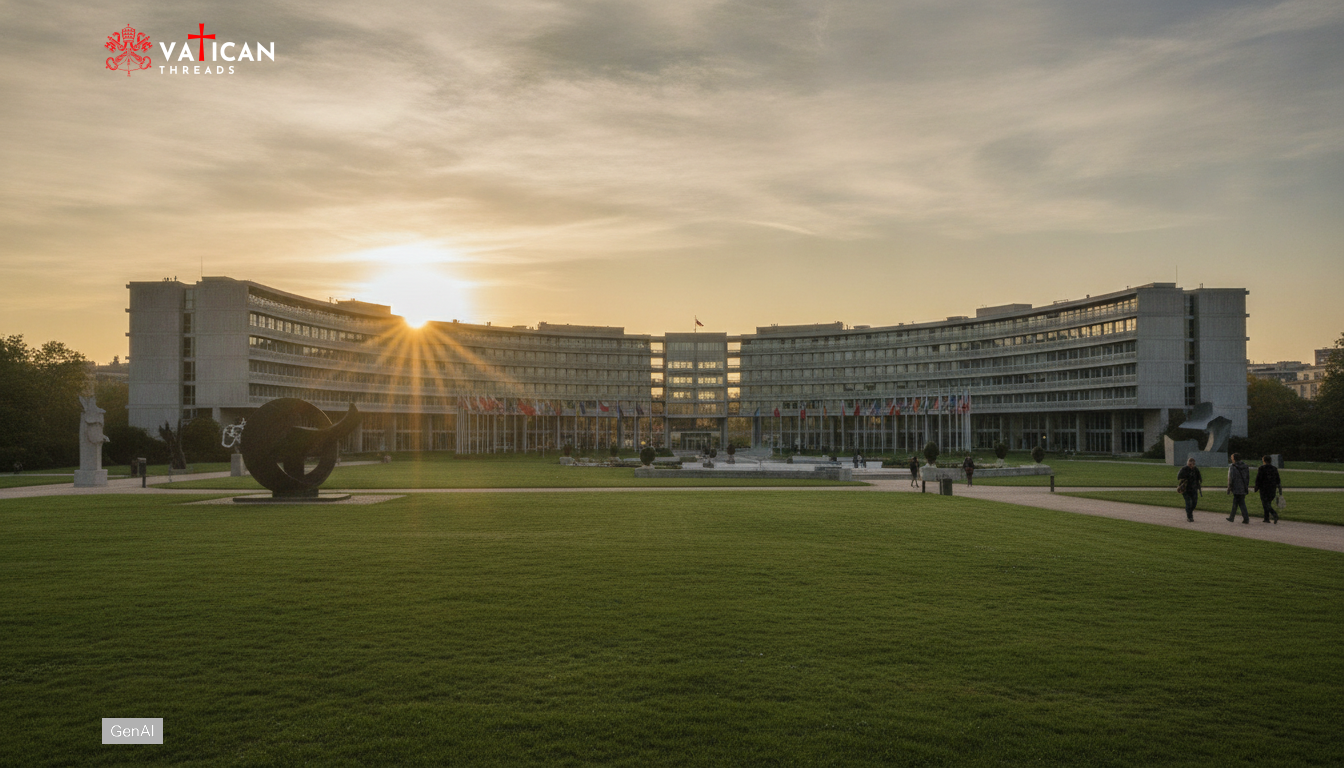
Leo addressed obstacles that repeatedly test European cohesion, including distrust in institutions, polarization, and the temptation to treat neighboring nations as competitors, according to summaries of his message. He warned that when public debate reduces persons to data points, peace and unity weaken because citizens stop seeing moral obligations to one another. He referenced the Church’s diplomatic work as a reminder that dialogue is possible even when political incentives reward escalation, and for background on his recent public diplomacy, Pope Leo UNESCO visit highlights diplomacy at UNESCO outlines themes he has carried into European discussions, as reflected in coverage of his public diplomacy. He also cautioned against selective memory that glorifies achievements while ignoring injustice, because that can breed resentment.
Steps forward for peace and reconciliation
Pope Leo XIV proposed a forward path that joins civic reforms with cultural renewal, insisting that stable unity grows from local communities upward; commentators have linked this emphasis to Europe Christian roots as a sustained source of ethical formation rather than a slogan. He urged national leaders to invest in education that teaches critical thinking and ethical reasoning, so public life can resist propaganda and scapegoating. In the same September 2026 timeframe, Leo was also reported to signal a sustained focus on formation and culture in church life, reflected in Pope Leo XIV Consistory: Culture and Education Plans, and he also called on churches to model reconciliation through ecumenical cooperation and consistent safeguarding practices, saying credibility is essential for moral witness, according to reporting on his broader priorities. He concluded by urging Europeans to choose encounter over suspicion, so political agreements are sustained by genuine social friendship.