


What the Pope’s Appeal Means for Ukraine
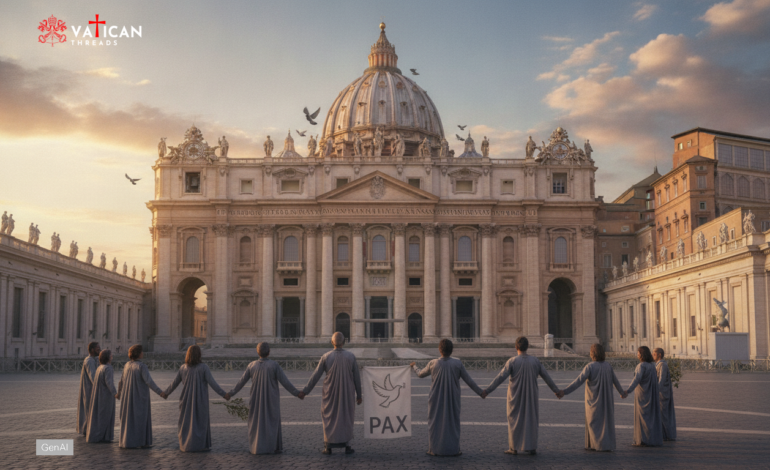
Pope Leo XIV renewed his appeal for peace in Ukraine and framed it as a faith-led response that pairs prayer with practical solidarity, as described in Vatican communications. In that coverage, the pope’s appeal is not about banking or finance. Rather, it is an informal shorthand reportedly used by some outlets to describe a call to “gather” intentions into a sustained, shared rhythm of prayer, then channel that focus into credible relief efforts. The address, as summarized in Vatican reporting, emphasized the dignity of civilians and families separated by war, and urged Catholics to keep victims, the wounded, and those mourning losses in their daily intentions while supporting verified humanitarian channels.
Pope’s Address: Prayer, Dignity, and Humanitarian Relief
In the central portion of his remarks, according to Vatican communications, the Pope asked parishes to turn words into consistent actions: regular intercession, pastoral closeness, and organized giving directed to accountable partners. Related coverage of his pastoral approach appears in Pope Leo XIV speaks as shepherd, teacher, and guide, and Vatican officials have repeatedly stressed, in their public messaging, that such appeals are aimed at protecting civilians and sustaining dialogue rather than signaling partisan alignment. For context on how leaders handle public messages and accountability in a separate policy arena, see NFT regulation: what the GENIUS Act changes now, rather than relying on summary claims alone.
Vatican Peace Efforts and Recent Diplomacy Signals
The Holy See has a long record of pursuing ceasefires, prisoner exchanges, and humanitarian access even when formal talks stall, according to Vatican diplomatic practice. Vatican News reporting in July 2026 also highlighted efforts to keep disarmament and dialogue on the international agenda, including World leaders, Nobel laureates, AI experts to gather at Borgo Laudato si’. Read alongside that coverage, the pope’s appeal fits a broader pattern in Vatican statements: consistent language on human dignity, limits on harm to noncombatants, and the urgency of humanitarian access. Additional context on Vatican-facing diplomatic moments is available in Pope Leo XIV marks July 4 at Vatican diplomatic event, especially for readers tracking July 4 references in Vatican event coverage.
How Global Crises Shape the Pope’s Peace Messaging
Vatican communications frequently place Ukraine alongside other humanitarian emergencies to underline a universal ethic of protection. For example, Vatican News reported in July 2026 on Gaza, including Middle East: More deaths in Gaza as nine-year-old girl killed, and has also documented natural disasters such as Almost 4,500 people confirmed dead in Venezuela’s quakes. In that framing, the pope’s Ukraine appeals are presented as consistent with wider humanitarian concerns reported by Vatican outlets, with emphasis on prayer, protection of civilians, and credible relief.
How the Faithful Can Respond to the Appeal
Dioceses and parishes are being urged, according to Vatican-linked messaging and observers, to build routines that last: set times for intercession, transparent collections, and coordination with trusted relief partners so aid can be tracked and delivered. Clergy close to the Vatican have emphasized, in interviews and commentary reported by Catholic media, that prayer intentions should be paired with practical steps such as hosting displaced families, funding medical care, and supporting chaplaincy for those facing trauma. Vatican-linked observers also point to initiatives that strengthen development capacity and reduce barriers to assistance, including Holy See Africa support targets barriers to development, and note that this same approach is echoed in parish-level guidance discussed in Rome-based briefings. In this sense, the pope’s appeal functions as a reader-facing label for aligning liturgy, charity, and education toward peace building and reconciliation.