





Catholic Church governance and the French end-of-life law
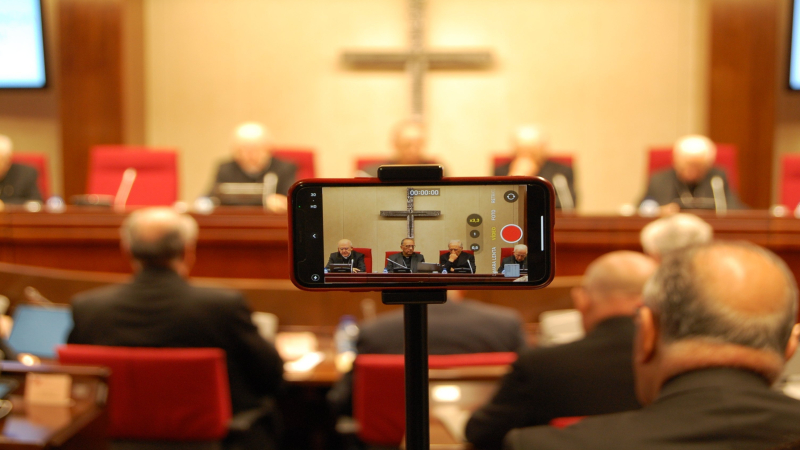
Catholic Church governance is now central to how France’s bishops respond after the country advanced an end-of-life framework that would permit assisted dying under defined conditions. The governance question is practical: bishops must coordinate diocesan guidance, Catholic institutions, and national messaging while remaining within French administrative and constitutional processes. Recently, it was reported by Vatican News that the French episcopate expressed the text represents a significant shift in medical and social policy, necessitating immediate legal and pastoral review. They are particularly concerned about how rules will be implemented in clinics, hospitals, and elder care settings, and how Catholic actors should act consistently once decrees and oversight mechanisms are finalized.
Governance signals: why the bishops spoke and what they cited
In the Vatican News coverage, the French bishops framed their intervention as more than a policy objection, describing a governance duty to protect vulnerable people and clarify institutional responsibilities. For readers tracking how governance norms spread when states redraw boundaries, a parallel can be seen in NFT regulation and global rules. They emphasized palliative care and warned against normalizing intentionally ending life in medicine, while also flagging conscience protections for staff and coherent procedures for Catholic hospitals and care homes. The bishops’ public statement also functions internally: it sets expectations for dioceses and affiliated providers about how to prepare for compliance questions, patient requests, and public scrutiny as government implementing rules take shape.
Legal pathways and Catholic Church governance coordination
French Catholic officials indicated that legal scrutiny could follow, including review of constitutionality and the content of implementing decrees. In this context, Catholic Church governance involves coordinating dioceses, Catholic health providers, and national bodies so guidance is consistent, documented, and defensible if regulators or courts request explanations. According to Vatican News, bishops are weighing legal options and examining which procedures are available under French law for challenging or clarifying the statute. Legal specialists often focus on how administrative rules interpret a law, since decrees can expand or narrow real-world obligations for institutions. Related leadership coordination in sensitive public action is discussed in Cardinal Zuppi Ukraine mission arrives in Kyiv for peace.
Public debate, institutional policy, and diocesan oversight
Public debate has intensified as lawmakers, clinicians, disability advocates, and religious groups argue over safeguards and definitions. The bishops have presented their stance as a call to prioritize access to palliative care and to avoid placing subtle pressure on the ill or elderly. Vatican News described their concern that cultural expectations could shift once assisted dying becomes an option embedded in healthcare pathways. French media discussion has also examined how conscience clauses should operate for individuals and for faith-based institutions, with critics warning against unequal access and supporters emphasizing autonomy. As hospital administrators draft protocols, bishops must provide oversight that is pastorally coherent and legally careful, especially where Catholic facilities receive public funding or partner with state services.
Next steps for church-state relations and implementation
The next phase will test how the law interacts with religious freedom, healthcare regulation, and state oversight of institutions that receive public funding. For Catholic institutions, governance decisions will involve training, protocols, and pastoral support for staff facing requests related to assisted dying. Vatican News noted that French bishops expect continued engagement as the government sets implementing rules and clarifies eligibility, documentation, and review mechanisms, and for primary reporting, see French Bishops voice concern over end-of-life law, weigh legal options. If challenges proceed, courts may need to weigh legislative intent against constitutional protections, including equality and conscience rights. The bishops are preparing for a sustained legal and pastoral response.