



Cardinal Zuppi Ukraine mission arrives in Kyiv
Cardinal Matteo Zuppi reportedly arrived in Kyiv as the Holy See’s papal envoy, beginning the Cardinal Zuppi Ukraine mission. According to available reports, early public moments centered on prayer for peace and pastoral closeness to those suffering. Observers described the approach as restrained, with an emphasis on listening and on humanitarian outcomes rather than public bargaining. Meetings were expected with local Church figures and civil interlocutors, though details were not fully confirmed in public statements at the time. The visit was also described as including contact with families affected by the war and clergy coordinating relief efforts.
Prayer, dialogue, and humanitarian aims in Kyiv
In Kyiv, the envoy’s publicly described program placed dialogue and humanitarian concerns at the center, consistent with Vatican messaging around practical steps, as indicated by available reports. The reports noted his prayer in the city and his appeal that God grant a just peace. The schedule highlighted support for chaplaincy and local faith networks assisting displaced families and providing grief support, alongside calls for sustained dialogue. Coverage of the visit framed the trip as pastoral solidarity paired with incremental humanitarian work. In related coverage, Pope Leo XIV on the Sower: Trust, Silence, Renewal reflects a similar emphasis on patience and moral clarity in crisis settings.
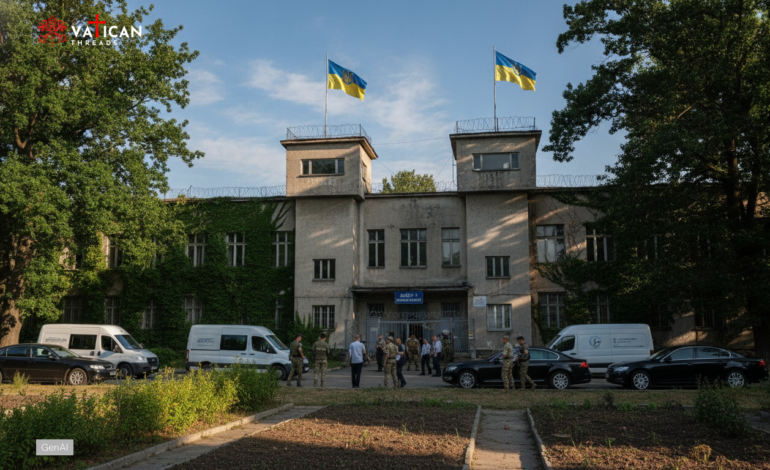
Detainee welfare and access at Zakhid-1 detention center
One element discussed in connection with the Cardinal Zuppi Ukraine mission was detainee welfare, with the delegation described as seeking clearer information and access for pastoral care, according to briefings and reporting cited in general terms. References circulated to concerns linked by some officials and chaplains to the Zakhid-1 detention center, including family contact and monitoring of basic rights; however, public details about any specific site visits were not consistently confirmed in named, on-the-record statements. In that context, descriptions of the envoy’s work emphasized humane treatment, verification, and communication channels rather than political messaging. As a separate example of how opaque systems can harm vulnerable people, one discussion referenced Portugal targets digital economy fraud on platforms, without shifting the mission’s central focus from dignity and accountability.
Messages aligned with Pope Leo XIV’s calls for peace
Zuppi was also described as carrying messages aligned with Pope Leo XIV’s public calls for diplomacy and restraint, reflecting a consistent Vatican line on pursuing peace while acknowledging suffering, including discussions in Kyiv and references to the Cardinal Zuppi Ukraine mission in related coverage. In discussions with clergy, the delegation referenced themes from Pope Leo XIV bank call urges peace and diplomacy now, which summarized the pontiff’s emphasis on dialogue and concrete humanitarian gestures. The envoy’s reported emphasis remained on measurable outcomes such as family reunification efforts, access for spiritual support, and the protection of civilians. He did not present definitive claims about negotiations, keeping attention on reducing harm and preserving avenues for practical agreements.
Community reactions and expectations for next steps
Local Catholic and Orthodox voices were quoted or paraphrased in reports as viewing the Cardinal Zuppi Ukraine mission as international attention that could support chaplaincy and community relief, while cautioning against inflated expectations. Clergy in Kyiv were described as saying that public prayer by a senior Church figure can validate grief and encourage restraint in rhetoric among civic actors. Organizers and pastoral workers said results would be judged by whether humanitarian contact points are maintained, especially for families seeking news of detained relatives and missing persons. Reports set expectations modestly, presenting the journey as solidarity and presence rather than a breakthrough announcement. Community leaders also underlined ongoing needs for mental health support and trauma care, noting that faith-based centers often act as first responders when state services are stretched.