

Holy See Press Office statement on Rupnik reports
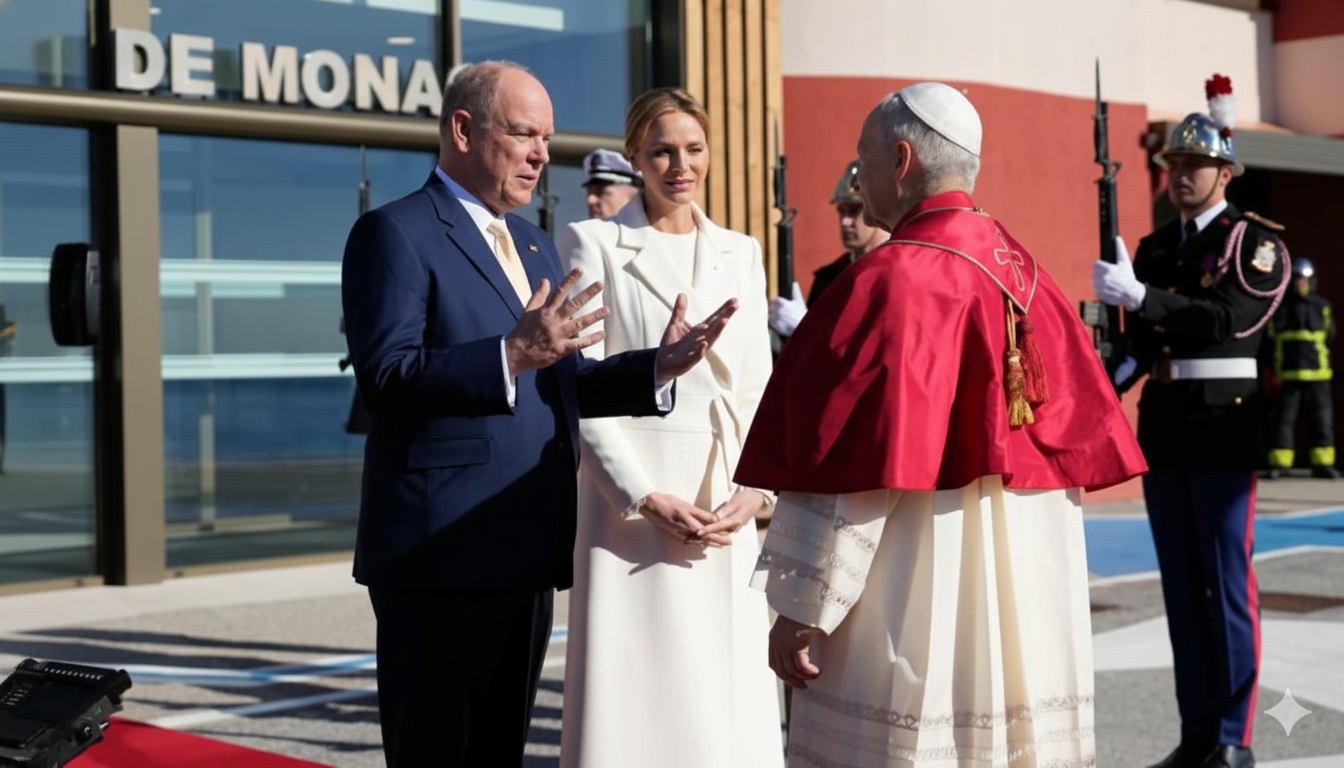
Matteo Bruni issued a clarification from the Holy See Press Office after fresh reporting and commentary revived debate over the Fr. Marko Rupnik case. He indicated that the claims circulating in recent days may not be supported by current assessments and emphasized that the work connected to the file has not concluded. The statement, published in July 2026, aimed to draw a clear line between verified Vatican communications and interpretations amplified across media and social platforms. By limiting his intervention to what can be confirmed, Bruni underscored that conclusions should not be inferred from partial accounts or unofficial narratives while the internal review continues.
Holy See Press Office response and official record
Bruni pointed to the public record of his remarks as the authoritative reference for what is and is not being claimed. Vatican News reported his wording directly and reiterated that the assessment is still under way and that the disputed allegations are baseless in the form presented. Readers can consult Matteo Bruni: Reports regarding Rupnik entirely unfounded, assessment still underway as the official source for his phrasing. Separately, broader debates about institutional communications and how clarifications reset narratives without prejudging outcomes have appeared in coverage such as Thames Water nationalisation risk: lenders back golden share. The core point in this Vatican case remains procedural: the file review is ongoing.
What the Vatican assessment means in practice
Bruni did not announce a timetable or an outcome, but he signaled that competent offices continue to examine the file and that no definitive conclusion has been issued. In practical terms, that means the Holy See is asking the public to treat claims as unconfirmed unless they appear through the Holy See Press Office or other official channels. The careful wording also reflects a standard Vatican practice: avoid statements that could be read as prejudging any determination while documentation is being reviewed. For related context on how the Vatican communicates about governance, pastoral leadership, and public expectations, see Pope Leo XIV calls Catholics to summer mercy and faith and Pope Leo XIV to CMSM: community forms holiness. This framing is presented as guidance rather than a declaration of results.
How the Holy See Press Office handles high interest cases
The Holy See Press Office functions as the Vatican’s institutional channel for verified information, especially when fast moving headlines encourage speculation. Bruni’s intervention illustrates a core task of the office: distinguishing what is officially confirmed from what remains inaccurate, incomplete, or unsupported. This is not only a media concern; it is also an administrative safeguard, since public framing can shape expectations around an internal process that is not yet finished. For further reporting on Vatican public communication and leadership themes, see Pope Leo XIV Spain Visit: Surprise Shrine and Monasteries. In this case, the statement served two ends: it rebutted specific assertions and reaffirmed that the assessment has not reached a point suitable for definitive public conclusions.
Next steps and what to watch for
With the assessment still under way, Bruni’s message implies an interim standard for readers and journalists: rely on official communications and avoid treating secondary reports as settled fact. Any future update would be expected to come through the Holy See Press Office or other Vatican channels and to be framed as the outcome of a completed review, not a reaction to external pressure. Related Vatican coverage that also shows how official channels frame sensitive matters includes US Bishops denounce racial profiling and urge dignity. Until that point, the Vatican posture is to correct what it calls falsehoods without litigating details in public. That restraint is intended to protect due process, reduce confusion among the faithful, and keep attention on verifiable information.