

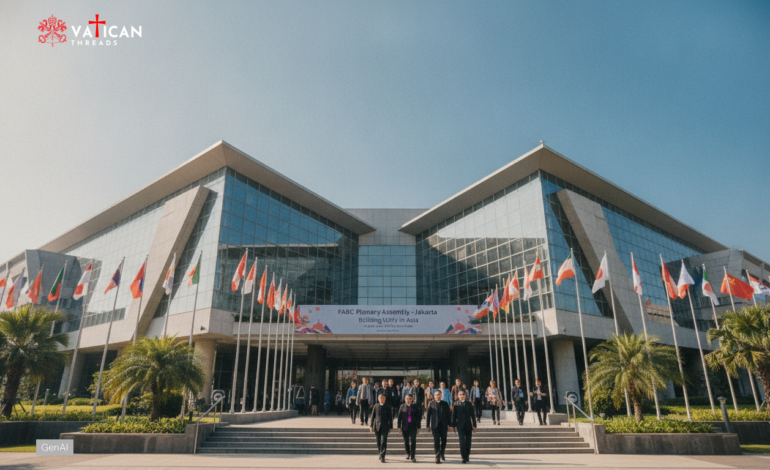

FABC Plenary Assembly sets unity agenda in Jakarta
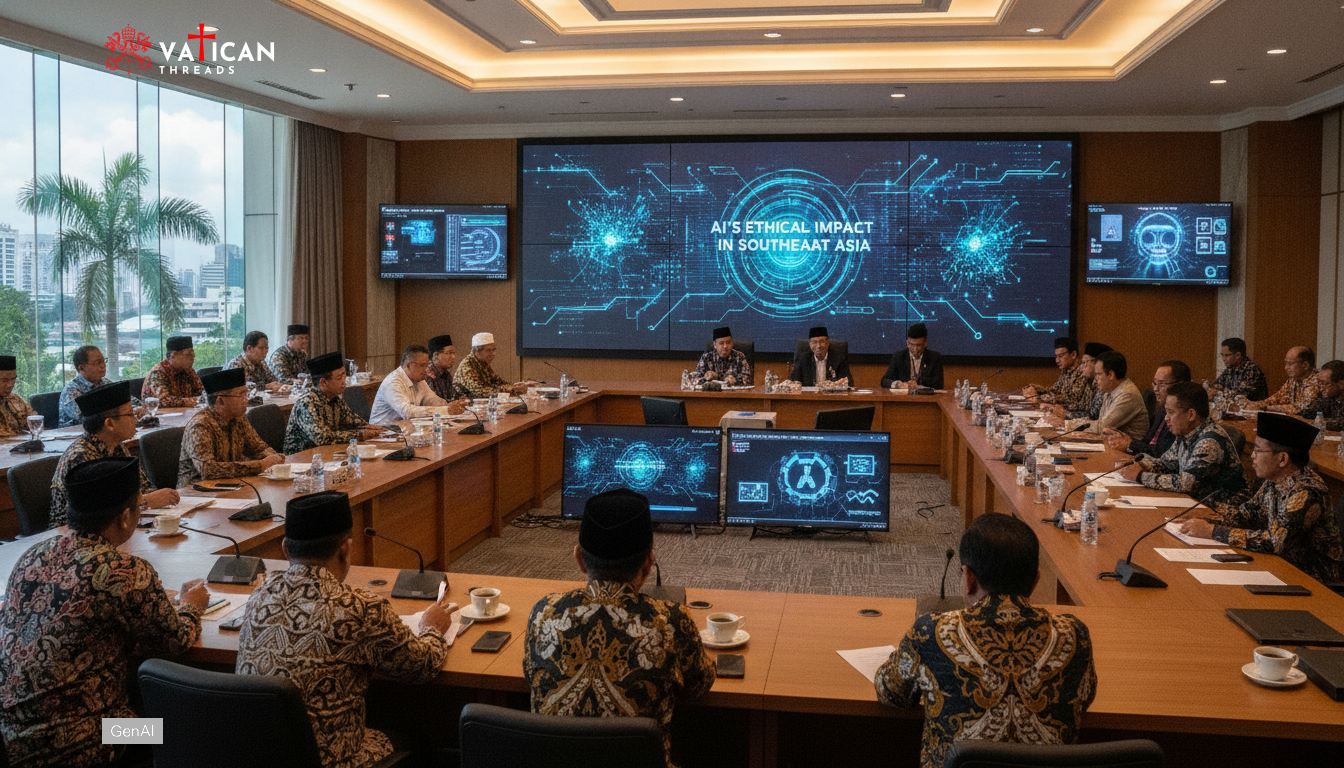
In Jakarta, according to reports, bishops and Church leaders appeared to open the gathering with a focus on unity across diverse communities, as suggested by participants’ descriptions shared during the opening sessions. The FABC Plenary Assembly was presented as a working forum for listening, coordination, and shared pastoral priorities rather than a purely symbolic event, as speakers reportedly stressed. Organizers and delegates pointed to regional realities shaping mission, such as migration, interreligious neighborhoods, and social inequality, based on themes raised in interventions. Participants described unity as a discipline practiced through common language, transparent decision-making, and accountability in leadership, as several interventions reportedly argued. Opening interventions called for cooperation among bishops, clergy, religious, and lay experts, and speakers said they hoped to finalize visible commitments by the end of the week in written form, in Jakarta.
Dialogue and reconciliation priorities for the week
Speakers reportedly set a high bar for dialogue, suggesting that it should lead to reconciliation in families, parishes, and public life. Vatican News coverage of humanitarian concerns in the region was cited, including the report Laos, the most heavily bombed country in the world, as a reminder, according to those citing it, of long-term trauma. Delegates described the FABC Plenary Assembly as an opportunity to align pastoral responses to conflict and polarization across national contexts. A cross-portal comparison piece on public accountability was also circulated: Lisbon stock market wraps up on a high as CTT, BCP surge, in discussions about how public institutions are judged.
Church in Asia: trust, institutions, and service
Discussions then moved to the Church in Asia as a public actor, with delegates emphasizing the importance of building trust in plural societies where Christians are often a small minority, as participants characterized their local contexts. Delegates discussed strengthening Catholic institutions that serve everyone, especially schools, clinics, and charitable networks, and urged clearer communication that reduces suspicion and explains Catholic social teaching in accessible terms, according to interventions summarized by attendees in Jakarta. Several speakers called for published safeguarding procedures and financial reporting at the diocesan level, reportedly including clear timelines for reviews and follow-up. Working groups also flagged migration ministry as a shared regional test case, especially where arrivals and departures reshape parish life and create new vulnerabilities, as participants described.
Synodality and governance changes under review
Sessions on synodality focused on changing habits of governance, rather than introducing new slogans, according to how delegates framed the topic. Participants connected these themes to recent Church communications on transparency and due process, citing examples of how public statements are handled. They pointed to Holy See Press Office Rebuts Rupnik Reports as Review Runs and to the related Vatican News item Matteo Bruni: Reports regarding Rupnik entirely unfounded, assessment still underway as examples, in their view, of the kind of clear public record people now expect. Delegates said synodal practice involves structured listening, the inclusion of lay competence, and discernment that is documented and reviewed, as reported in session summaries.
Outcomes: timelines, implementation, and evaluation
Attention is turning to the outcomes expected from the week, with delegates outlining priorities they want to leave Jakarta with in writing, as participants described the direction of travel. Organizers indicated that future goals could include regional collaboration on formation programs, joint approaches to migration ministry, and consistent social communications intended to prevent misunderstanding in interreligious settings, according to remarks reported from the floor. Participants also emphasized that bridge builders should be formed through spiritual practice and professional competence, especially for youth leaders and parish coordinators, as some interventions reportedly argued. The closing goal, as expressed by delegates, is to leave with mechanisms for evaluation so that commitments can be measured and adjusted by bishops’ conferences over time, with periodic public updates on progress, from Jakarta.