

Pope Leo Genazzano visit: Mass schedule and logistics
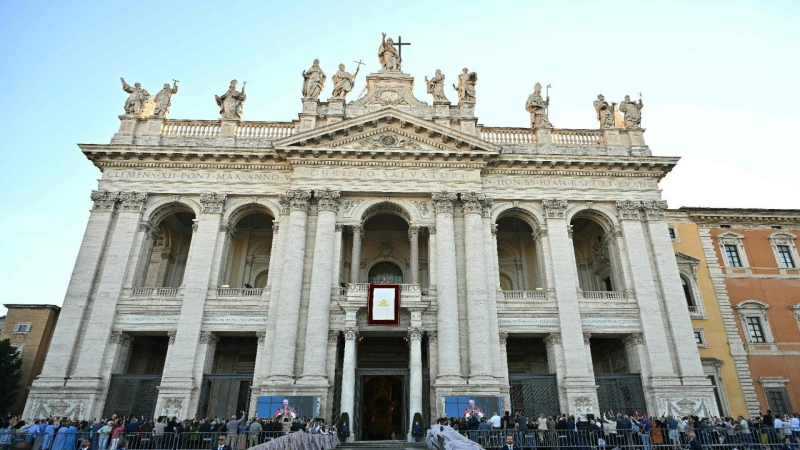
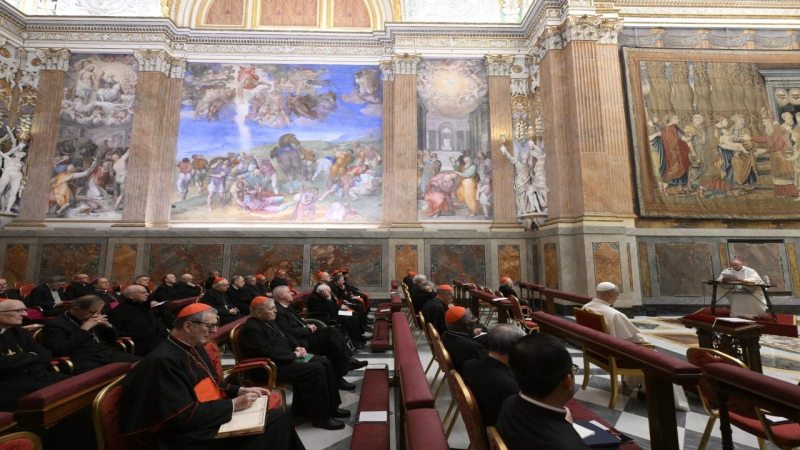
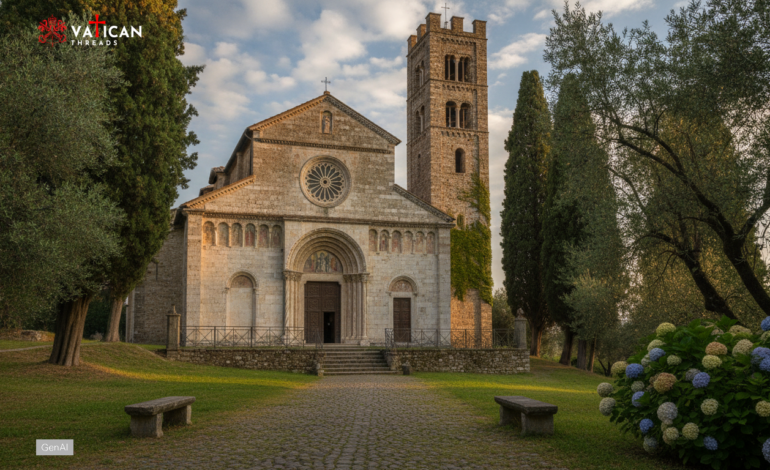
Pope Leo XIV is reportedly scheduled to preside over a public liturgy in Genazzano, drawing renewed attention to the Marian destination outside Rome. The Pope Leo Genazzano visit is described as centering on a papal Mass at the Shrine of Our Lady of Good Counsel, with local clergy, civic leaders, and pilgrims expected to attend if the schedule is confirmed. Planning is said to include security checkpoints, access routes, and liturgical preparations coordinated with diocesan staff and municipal authorities, as indicated by local planning briefings referenced in community updates. Vatican communications are described in coverage as framing the stop as a devotional pilgrimage rather than a diplomatic engagement. In practical terms, the day would likely require crowd stewardship around the shrine square, designated entry points, and coordinated volunteer teams to assist pilgrims arriving from Lazio and Rome.
Why the Shrine of Our Lady of Good Counsel matters
The Shrine of Our Lady of Good Counsel holds an important place in central Italian Catholic life because it concentrates prayer, confession, and spiritual guidance around a revered Marian title, as pilgrims and clergy commonly describe in devotional materials. The sanctuary is widely known as an Augustinian shrine. Within that wider emphasis on public prayer, the Pope Leo Genazzano visit can be read as an act of pilgrimage that highlights reconciliation and counsel.
Historical context and devotion in Genazzano
Genazzano’s sanctuary has long been associated with pilgrimage patterns linking Rome’s hinterland to religious houses and small town parishes in Lazio, according to commonly cited local church histories. Clergy and administrators have presented the papal arrival in pastoral messaging as a way to connect the shrine’s spiritual heritage to current priorities, including catechesis and accompaniment for families. In parallel, coverage on faith communities has highlighted how local churches sustain witness in challenging settings, as shown in “Whispering the Gospel”: Bishop Kleden on Asia’s quiet witness. For readers tracking papal events, this Genazzano pilgrimage is likely to be interpreted as continuity with a patient, local approach to ministry, with Genazzano in the Lazio hinterland outside Rome.
Impact on pilgrims, parish life, and the local economy
Municipal officials and parish representatives say they are preparing for a surge in pilgrims, volunteers, and visiting clergy, with attention to transport flow and crowd stewardship in and around the town center. Local commerce can see a short, intense period of demand during papal events, according to past reporting on similar visits, and organizers have indicated that hospitality will be coordinated with church-led guidance on respectful conduct. The pastoral message is also expected, by commentators, to resonate beyond the immediate area, since the Pope Leo Genazzano visit places a small community within a global Catholic communications cycle, and for related context on Pope Leo XIV and public appeals, see Vatican diplomacy urged by Pope Leo XIV to halt violence.
What happens after the Mass and next steps
Vatican communications have not publicly presented the Genazzano stop as part of a broader itinerary, based on what has been shared so far, but the event may add another data point to the pontiff’s pattern of visibly supporting devotional and pastoral sites, including the Shrine of Our Lady of Good Counsel in Genazzano. The Mass itself is likely, observers suggest, to reinforce themes that have appeared in recent coverage, including solidarity with communities under pressure and the importance of sustained spiritual presence. The Pope Leo Genazzano visit is also expected to encourage ongoing coordination between Augustinian custodians and diocesan offices while preserving normal worship schedules afterward, as local church leaders have indicated in general planning remarks. In administrative terms, papal visits can leave lasting effects through renewed attention to maintenance, accessibility, and structured volunteer formation, according to common post-visit practices described by local organizers in other contexts.