


Pope Leo aid and the Vatican response in Colombia
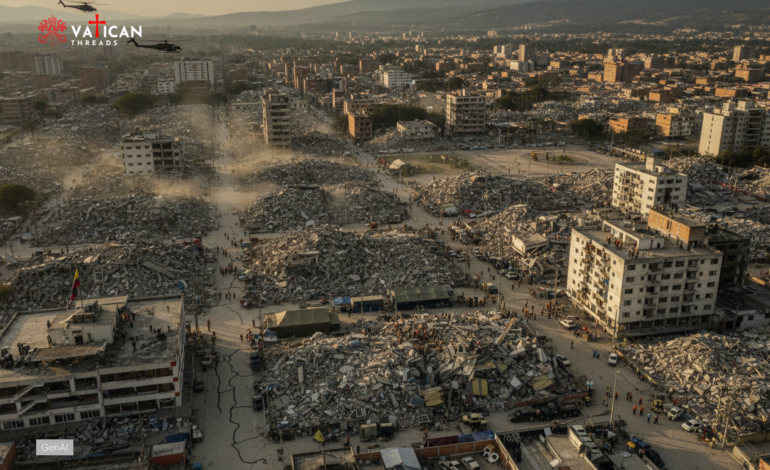
Pope Leo XIV responded after an earthquake hit communities in Colombia, urging prayer and practical solidarity for people facing loss. According to available reports from Vatican News, he asked Church leaders to keep attention on displaced families, damaged parishes, and first responders working in difficult conditions. The Holy See framed Pope Leo aid as support meant to accompany local relief, not replace it. Vatican offices were asked to coordinate with bishops on immediate needs such as shelter, food access, and pastoral care. The message also highlighted closeness to people mourning loved ones and coping with disrupted schooling and parish life.
How the emergency funds will be distributed
The Holy See described an emergency donation routed through affected Church structures so money can be spent quickly where needs are urgent. According to available reports from Vatican News, the decision was outlined in Pope sends financial aid to areas of Colombia hit by earthquake, detailing Vatican support for communities dealing with damage and displacement. The intent is to help diocesan teams cover first phase constraints like basic supplies and transport. In parallel, Church channels often emphasize transparent local distribution and reporting. Pope Leo aid is positioned as an initial transfer rather than a full reconstruction plan.
What the aid means for affected dioceses
For dioceses closest to the epicenter, the immediate challenge is restoring basic services while keeping parishes open as hubs for listening, referrals, and material assistance. Local officials have said funds can help with temporary lodging, transport for elderly residents, and repairs that allow parish halls and community kitchens to function again. The support is designed to reinforce diocesan Caritas-style operations already active on the ground, with bishops directing resources to the most strained zones first. A related pastoral angle is covered in Pope prays for earthquake victims after Colombia quake, highlighting coordination between prayer appeals and operational help. In practice, Pope Leo aid can translate into faster purchasing and delivery for parish-run relief points.
Vatican disaster relief: how it typically works
The Vatican has a long practice of responding to disasters through targeted grants and diplomatic coordination, often moving funds through local bishops who can verify needs and reduce duplication. In recent crises, Vatican support has typically been paired with appeals for international assistance and encouragement for Catholic agencies to coordinate with civil protection authorities. The approach relies on local assessment, since dioceses know which neighborhoods are isolated, which clinics are short on supplies, and which families lack documentation or banking access. This model emphasizes rapid disbursement alongside pastoral accompaniment, with accountability standards applied to emergency spending. Related Vatican coverage includes Christian communication: Nwachukwu on Gospel media, often cited in Vatican media discussions as an example of messaging priorities during crises.
Next steps for continued support in Colombia
Church officials indicated that the first transfer is aimed at immediate relief, while further assistance will depend on verified needs communicated by Colombian bishops and relief partners. According to available reports from Vatican News, the donation is framed as part of a commitment to stay close as recovery begins, especially where housing repairs and psychosocial support can take months. In dioceses serving quake-hit municipalities, parish networks in Colombia are expected to coordinate with civil agencies and Catholic charities as damage assessments are completed and priorities shift. Monitoring will also help ensure funds reach families and parishes most affected and that local distribution remains transparent. Updates will likely track both material recovery and the restoration of community life.