

Pope Leo XIV meets President Joseph Aoun in Rome
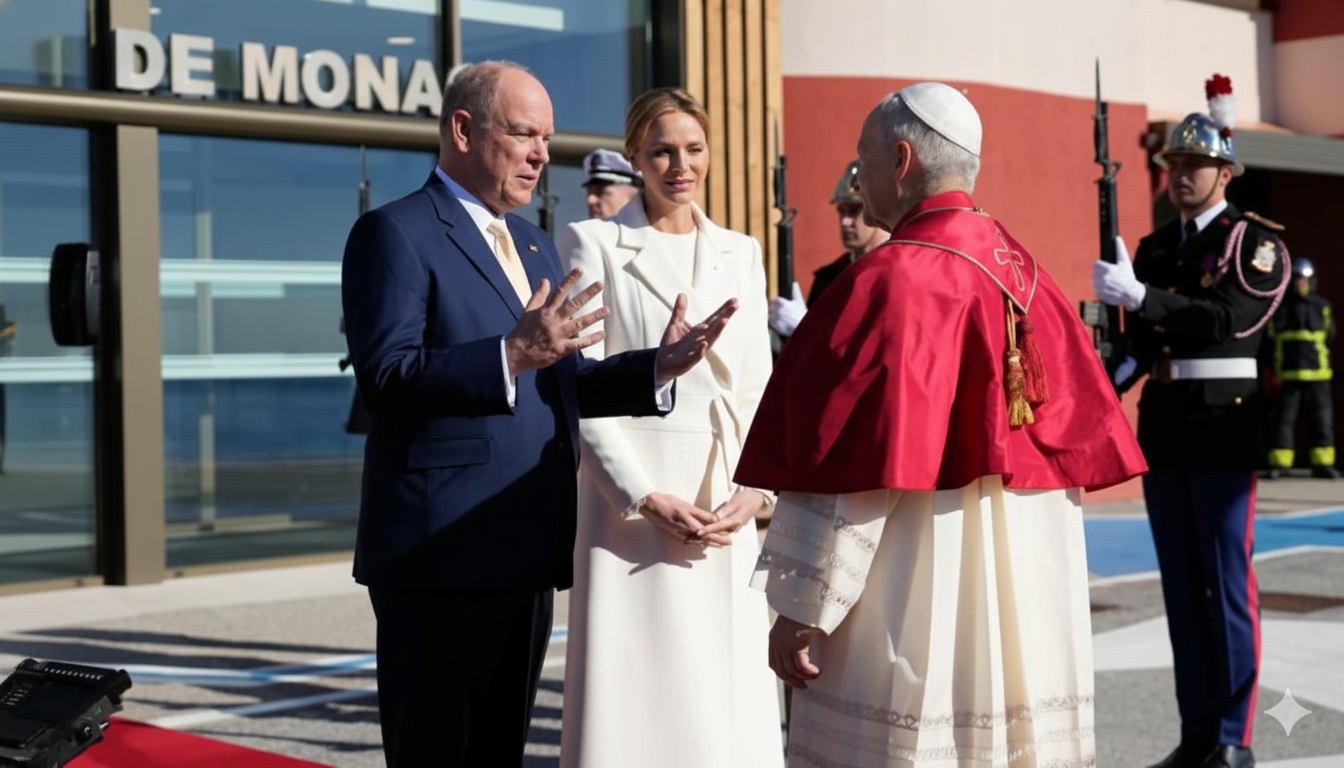
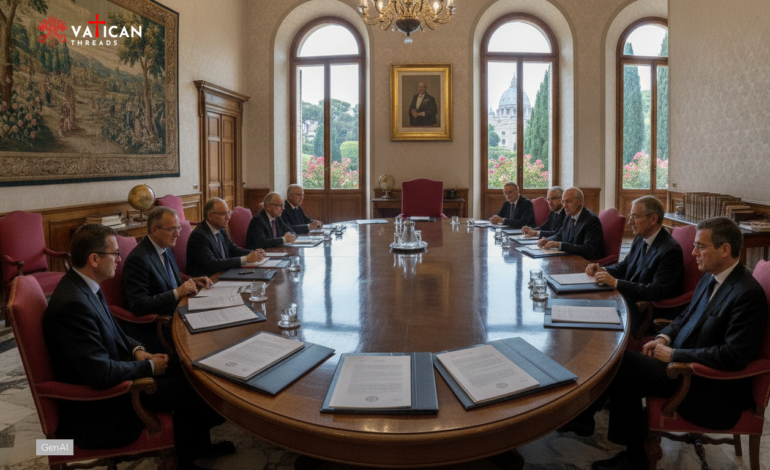
During an important meeting in August 2026, Pope Leo XIV and Lebanon President Joseph Aoun gathered in Rome, reportedly described by the Holy See as focused on de-escalation, governance, and humanitarian protection. According to a report from Vatican News, the Pope encouraged efforts aimed at a just and lasting peace, stressing the importance of protecting civilians and building institutions that guarantee equal rights across communities. Local statements from the Lebanese presidency highlighted the moral support from the Apostolic See for dialogue. Both sides indicated, following Vatican News accounts, that they would continue diplomatic communication.
Focus of Pope Leo XIV’s Message
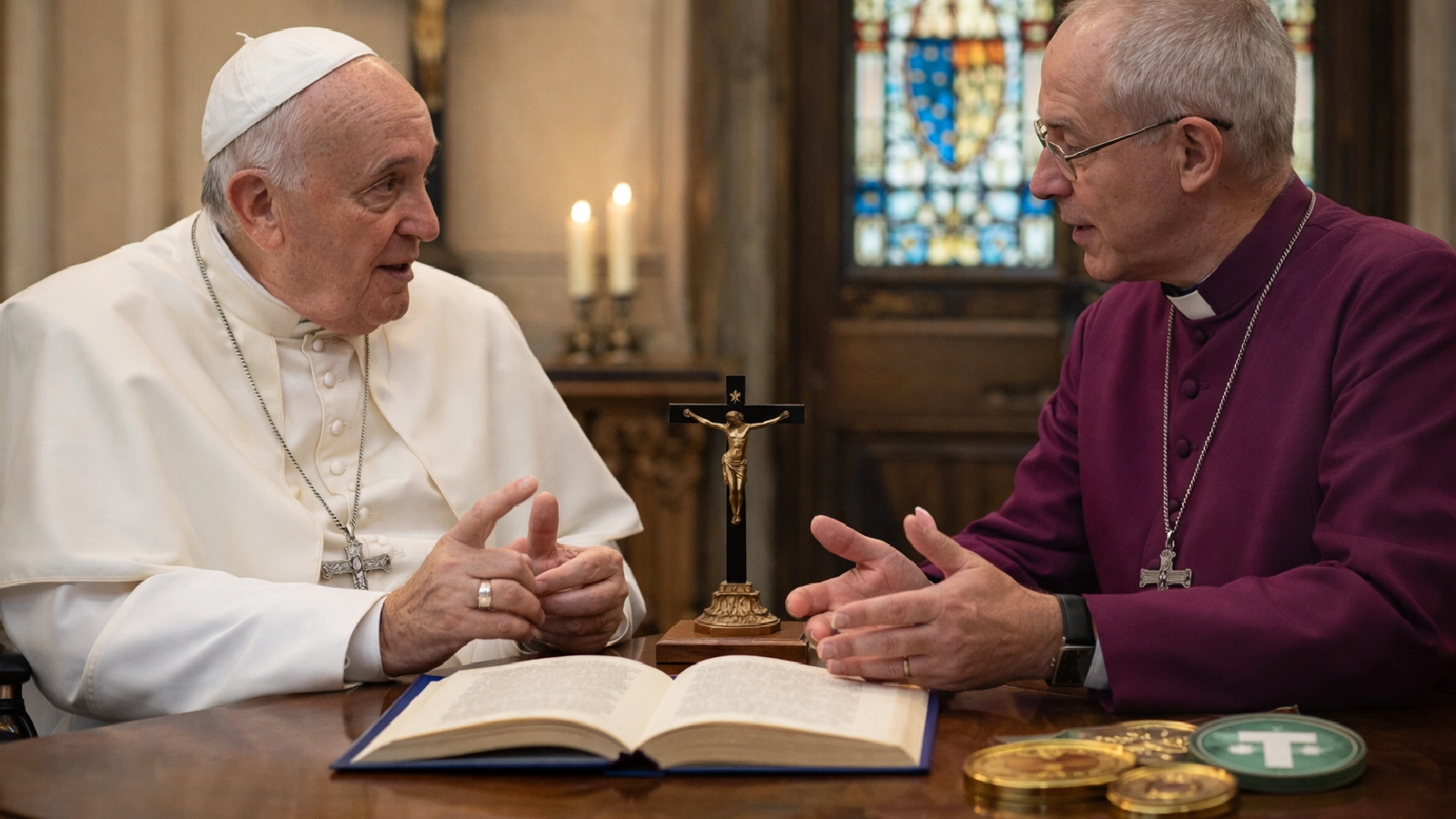
According to reports, Vatican officials aimed to present a peace track credible to Lebanon’s key constituencies and aligned with international law. The Holy See’s message emphasized civilian safety, minority safeguards, and support for stable institutions over short-term deals, as summarized by Vatican News. Further reports suggested religious leaders could sustain negotiations when political trust is low, without replacing enforceable commitments. The significance of rules and compliance in negotiations was compared to New Jersey NFT Rules, highlighting the necessity of monitoring agreements.
Holy See Diplomacy: Role and Impact
As indicated by official reports from Vatican News, the Holy See sees itself in a role of facilitation and moral persuasion, rather than covertly brokering terms. In remarks shared with diplomats, Pope Leo XIV was depicted as emphasizing the need for settlements that respect national sovereignty and protect vulnerable communities. Clergy close to the Secretariat of State suggested the Vatican’s strength is in bringing parties together, maintaining communication, and supporting humanitarian access. Echoing Pope Leo XIV’s messages, Vatican News noted the extended impact of war beyond the battlefield.
Lebanon’s Path and Challenges
Observers frequently note Lebanon faces a delicate balance between addressing immediate security issues and long-term reforms to restore public trust in the government. Vatican interlocutors, as relayed through Vatican coverage, emphasized that institutional recovery requires credible public services, transparent budgeting, and independent courts. These elements reflect the Holy See’s public diplomacy on governance reducing incentives for armed actors. The feature Secrets hidden in sacred music: Pope Leo XIV offers related insights on using cultural references to foster unity.
Importance of the Meeting for Peace
The Vatican framed the Rome meeting as part of a wider effort in conflict prevention, humanitarian protection, and religious community reconciliation, according to reports summarized in Vatican media. Vatican diplomats warned of the risk of reversing progress if negotiations serve as temporary pauses rather than genuine, rights-based settlements. Vatican coverage reported Pope Leo XIV reiterating that peace involves ensuring justice and protection for civilians and minorities. For further context on the Pope’s public agenda, see the report Pope Leo XIV consistory: prayers after pilgrims crash. The Holy See has expressed a continued commitment to supporting dialogue as Lebanon considers its political future.