




Pope Leo XIV AI Speech on Family Values and AI
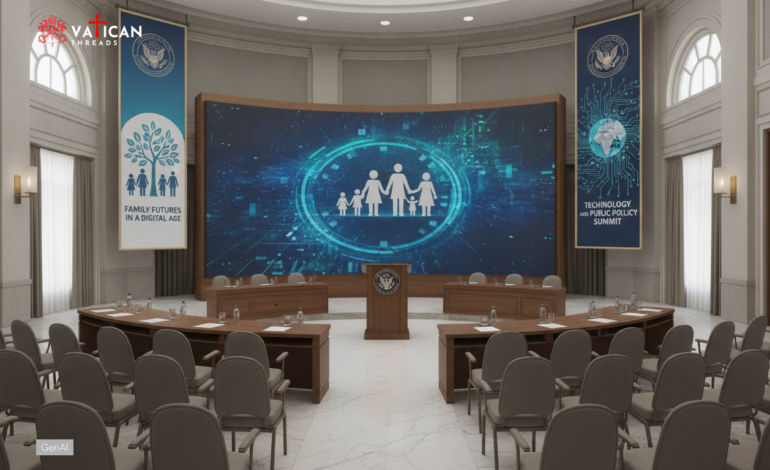
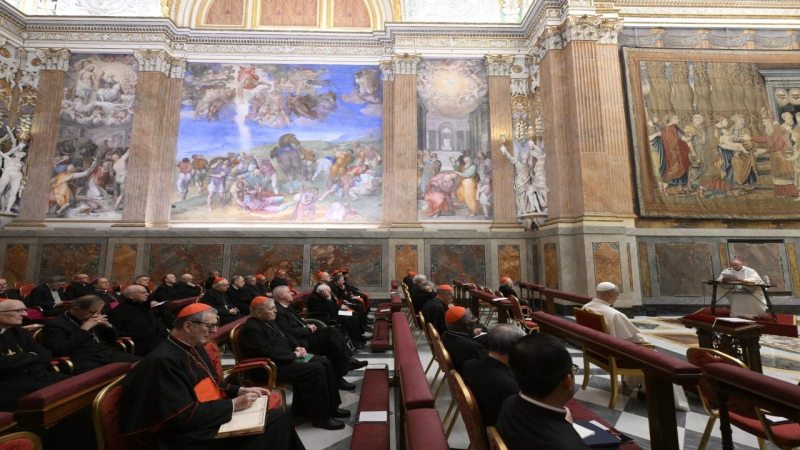
In the Pope Leo XIV AI speech, he told Catholic legislators that the family remains the first school of humanity as artificial intelligence moves deeper into daily life. Addressing the International Catholic Legislators Network in August 2026, it was emphasized that the home is where children first learn trust, responsibility, and empathy in ways no system can automate. He urged policymakers to resist letting efficiency become the only measure of progress, and to judge tools by their effect on relationships. Reports indicate his warning that families can be pressured by technologies that reshape how people communicate, work, and form identity. He asked public authorities to ensure innovation supports parents and protects children.
What Pope Leo XIV Asked Lawmakers to Do on AI
In his AI remarks to lawmakers, Leo linked debates about family values and AI to concrete concerns about human dignity, especially when data-driven systems influence choices about employment, education, and access to services. He emphasized that rights are not granted by performance scores or predictive profiles, but flow from the person. For a wider view of how fast innovation and funding can expand, AI startups Europe get EU support to scale faster shows the policy momentum that can outpace safeguards. It was noted his insistence that law should recognize the primacy of the human person over technical optimization, with enforceable transparency and accountability. He also called for clear lines of responsibility when AI harms families.
Risks for Families, Children, and Work in the Age of AI
The Pope’s appeal placed lawmakers at the center of setting boundaries where markets move faster than ethics. He pressed for rules that protect minors from exploitative design and manipulative personalization, and for labor policies that prevent family time from being hollowed out by constant algorithmic management. Related coverage of his wider public agenda appears in Pope Leo XIV Calls for Peace in War-Torn Regions. He also warned against delegating sensitive decisions to opaque systems, part of his AI warning about discrimination that families may struggle to contest. He argued that statutes should require meaningful human review and practical avenues for redress.
How the Vatican Frames Human Dignity in AI Policy
Rather than rejecting innovation, Leo described a framework where technology serves communion and the common good. He said the state should encourage designs that strengthen intergenerational ties and make it easier for parents to transmit values through lived example, not just digital content. The account of his remarks, Pope Leo XIV: In age of AI, the family is the first school of humanity, highlighted his concern that legal frameworks must keep the person at the center. He pointed to civic friendship and solidarity as outcomes that can be supported or eroded by AI systems, depending on incentives and oversight. He presented moral evaluation as practical governance, insisting that innovation remain answerable to conscience and social responsibility.
Next Steps After the Pope Leo XIV AI Speech
After the Pope Leo XIV AI speech, his remarks signaled further development in how the Church may counsel legislators, educators, and families as AI systems become more embedded in institutions. He encouraged sustained dialogue among theologians, technologists, and legal experts so that norms keep pace with deployment in schools and workplaces. For context on his upcoming public engagements, Meeting di Rimini 2026: Pope Leo XIV to Attend outlines plans that may continue these themes. He placed special weight on formation, arguing that children need models of patience and mercy that cannot be generated by a machine. He also called for international cooperation so weaker states are not forced to accept harmful systems without safeguards.
1 Comment
[…] Pope August 21, 2026 […]